On the 86th anniversary of the outbreak of World War II, the issue of German reparations resurfaced in Polish public debate. President Karol Nawrocki, speaking at the commemorations at Westerplatte, called for the matter to be settled. Is there really a chance of that?
Why is the reparations issue returning?
Traditionally, 1 September is the moment when Poland demands historical justice. Prominent statements by the president and politicians have highlighted that without resolving the question of compensation, it is hard to build a genuine partnership with Germany.
Growing geopolitical tensions and Poland’s role on NATO’s eastern flank are making the issue of compensation increasingly topical as a symbolic foundation of mutual relations.
Key demands of the Polish side
- Poland is demanding reparations from Germany for losses suffered during World War II.
- President Nawrocki is appealing for the government’s support in these efforts.
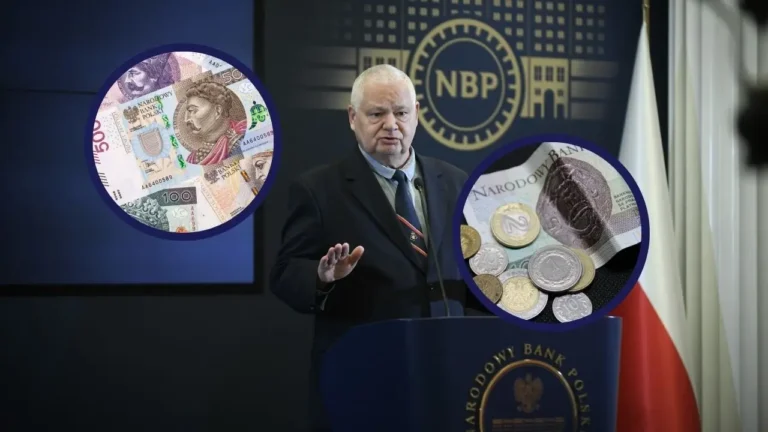
- The amount of the claims has been estimated at over 6 trillion zlotys, according to a 2022 report.
Germany’s position and international reactions
Berlin maintains that the reparations question has been legally closed – a position most recently confirmed by Chancellor Friedrich Merz during his visit to Warsaw. Germany argues that Poland waived its claims to compensation in 1953 and that some benefits were paid through the USSR and the GDR.
However, Polish society largely holds that the moral debt towards the victims and towards the country that suffered most during the war still exists.
Will the direction change?
At present, the prospects of actual reparations are slim, but the return of the issue is gaining symbolic and political significance. The matter may serve as a point of pressure and a reminder of Poland’s role in European history and in contemporary alliances.
86th anniversary of the outbreak of World War II
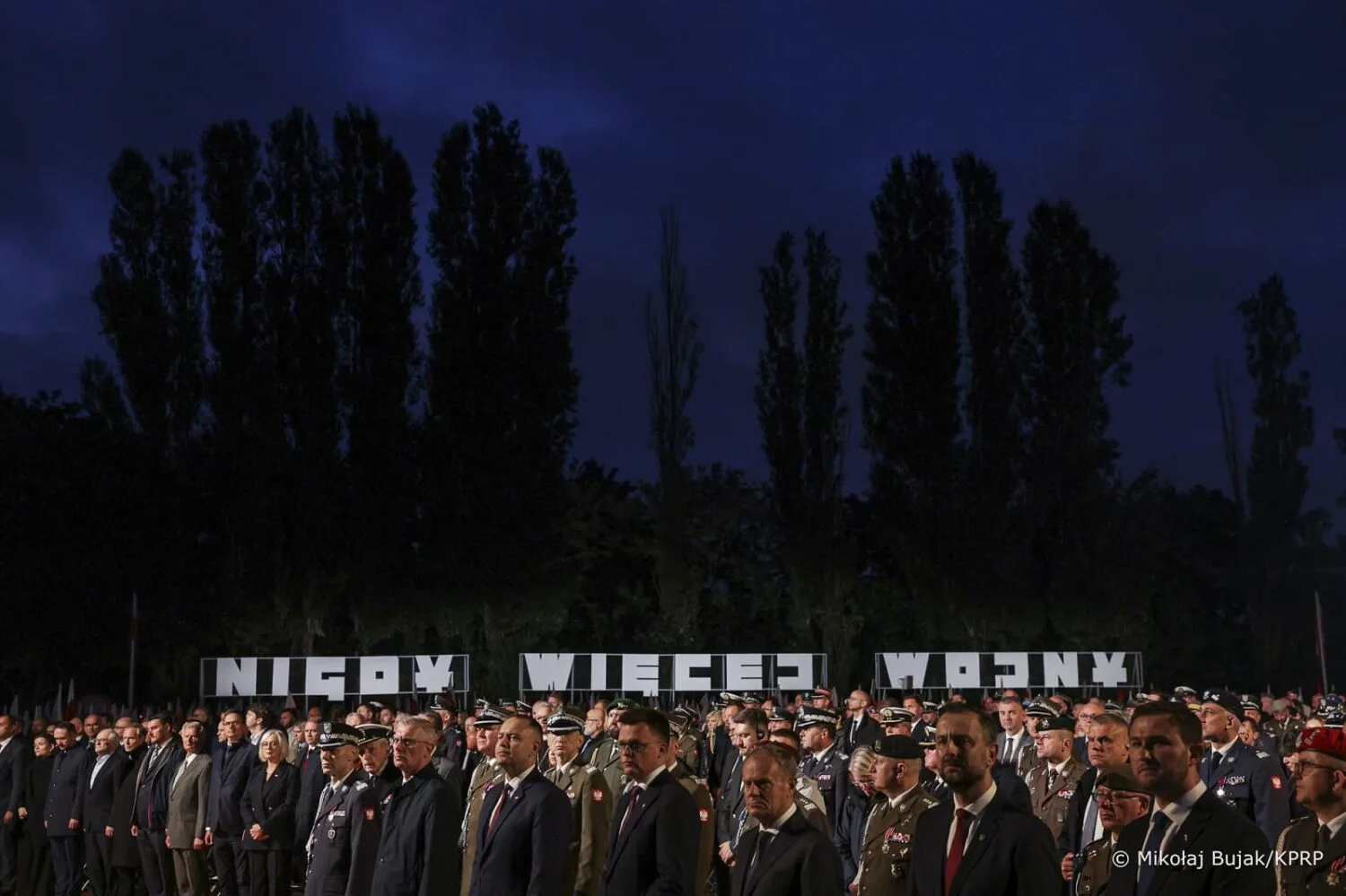
Today marks the 86th anniversary of the outbreak of World War II, traditionally commemorated at Westerplatte in Gdańsk. The ceremonies were attended by the country’s most senior figures: President Karol Nawrocki, Prime Minister Donald Tusk, Marshal of the Sejm Szymon Hołownia, Deputy Prime Minister and Minister of National Defence Władysław Kosiniak-Kamysz, as well as ministers, parliamentarians and representatives of local governments.
The commemorations began just before dawn, at 4:45 a.m., with the sound of air-raid sirens recalling the attack on the Military Transit Depot in 1939. After the national flag was raised and the anthem sung, the Peace Flame was lit, the Appeal to Memory was read and cannon salutes were fired. Participants laid wreaths at the Monument to the Defenders of the Coast, and President Nawrocki presented awards to those who distinguished themselves in preserving the memory of World War II.
There were also symbolic gestures: prayers for the fallen, speeches by state leaders and the Westerplatte message, read out by scouting representatives. The whole event was an expression of homage to the heroes and a reminder that the history of Westerplatte continues to shape Polish identity.