Have you ever wondered, What happened that day in historyThat on April 30 he enrolled in annals both as a moment of freezing blood in the veins of action phrases and symbolic endings of the era? It is the day when the fate of medieval kings is intertwined with the dramas of the 20th century, and cultural breakthroughs are adjacent to tragic accidents. Let us look closely at this fascinating historical calendarTo discover why this date still electrifies historians and enthusiasts of the past.
What happened on April 30th? Major events in history
1341 – The death that started the war for succession in Brittany
When Prince John III Good died, no one expected his descent to plunge the region into a bloody conflict lasting more than two decades. The rivalry between the Blois and Montfort families has evolved into a full-size war that has become one of the side theatres of much greater clashes – the 100-year war. This event perfectly shows how in the Middle Ages the lack of clear rules of inheritance could destabilize entire kingdoms, making this day in history extremely bearable in effect.
1310 – The Birth of Kazimierz III the Great, the last of the Piasts on the Polish throne
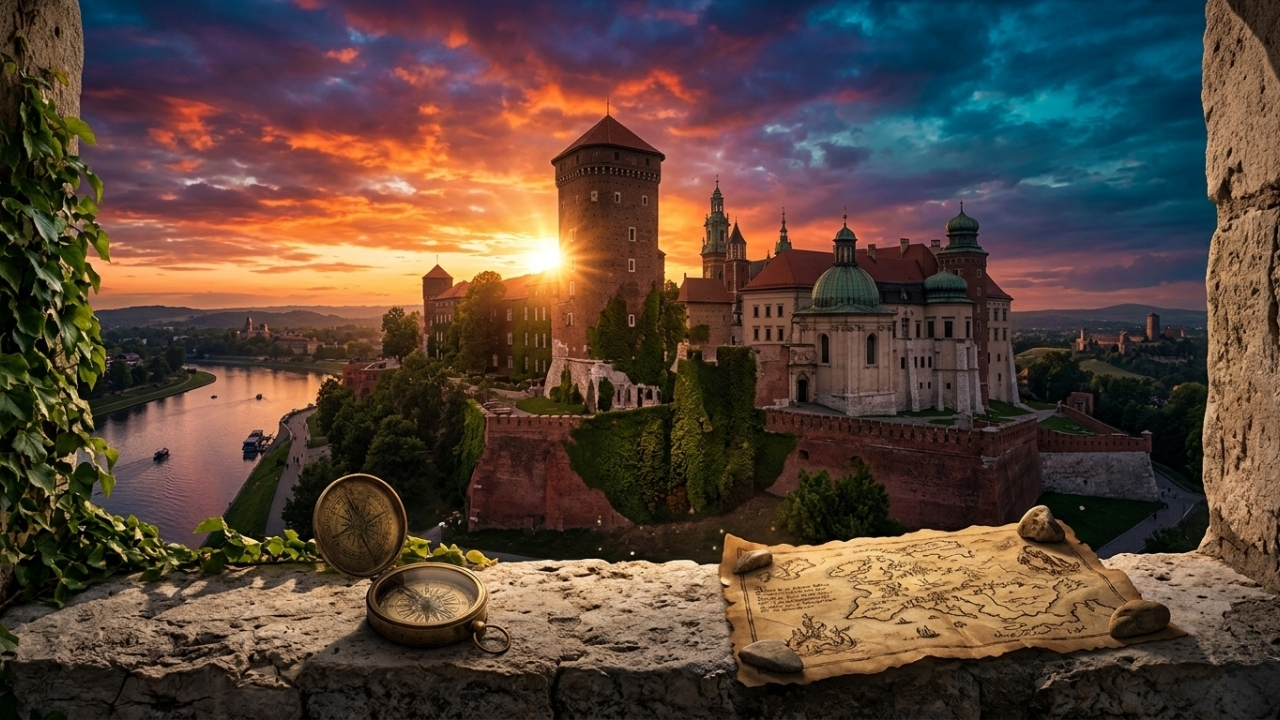
That day the only Polish monarch came into the world, who gained the nickname "The Great". Kazimierz III, the son of Władysław Łokietka, inherited a country built of wood and left brick. His birthday April 30 is not only an important point in historical calendar, but also the symbolic beginning of the economic era of flourishing and unprecedented territorial expansion of the Kingdom of Poland, which during its reign has more than doubled.
1789 – George Washington sworn in as the first president of the United States
In New York City, the then capital of a young republic, on the balcony of Federal Hall George Washington took a solemn oath, becoming the first president of the United States. This day in American history set a precedent for peaceful transfer of power and launched a presidential model of government that became a model for many democracies. Washington, full of fear of the weight of the new office, has inaugurated a new era in world politics.
1945 – Adolf Hitler's suicide in besieged Berlin
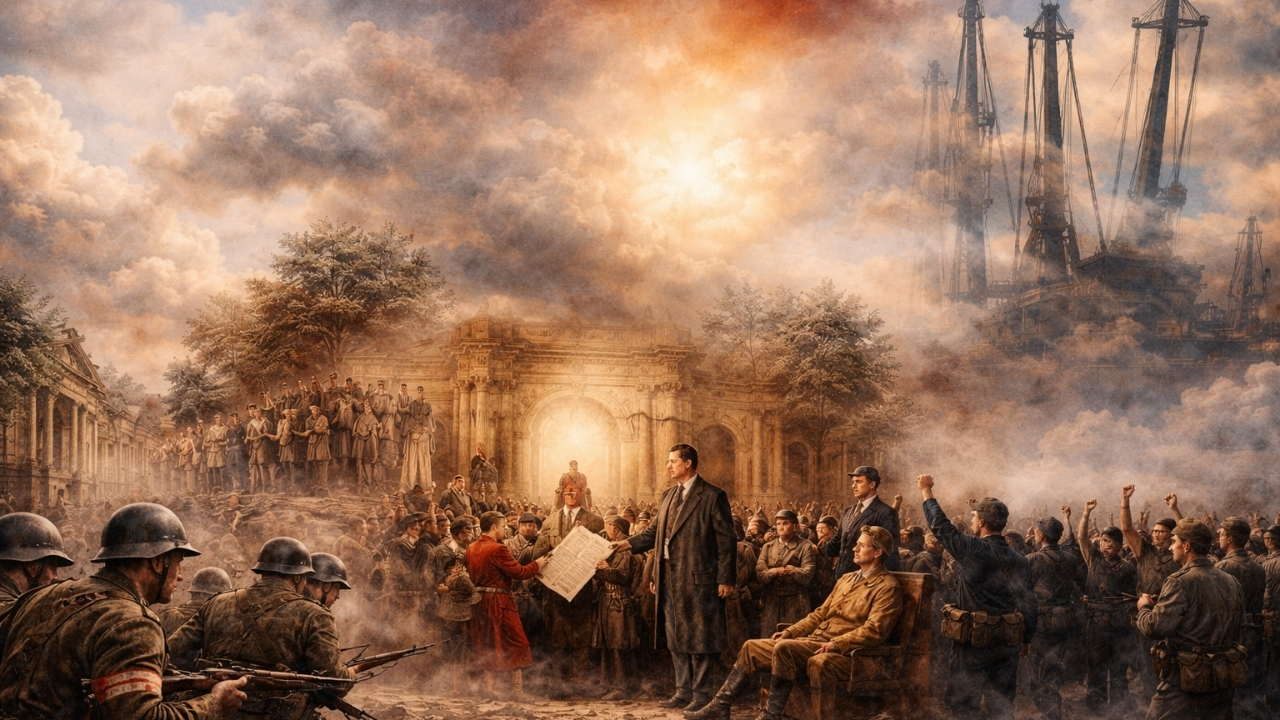
As the Red Army reached downtown Berlin, Adolf Hitler and his newly married Eva Braun committed suicide in his bunker under the Reich Chancellery. The bodies of the dictator and his wife were burned in the courtyard, and the world slowly began to realize the scale of Nazi terror. On the same day, Soviet soldiers blocked the Reichstag Victory Flag, sealing the defeat of the Third Reich. It was these events of April 30, 1945 that symbolically ended World War II in Europe and became one of the most important moments throughout the century.
1940 – The death of Major Henryk Dobrzański "Hubal" and the closure of the Lodz ghetto
On that day, Polish history was filled with tragic heroism. Major Henryk Dobrzański "Hubal", the legendary commander of the first partisan branch in occupied Europe, was killed in the vicinity of Anielin near Opoczne, who had continued to fight Germany since September 1939. His death became a symbol of the integrity of the Polish soldier. Meanwhile, in Łódź the Germans completely cut off the Jewish ghetto from the world, pushing more than 160 thousand people into inhuman conditions, which shows how dark that day was in the history of occupied Poland.
1803 – The United States buys Louisiana, doubling its territory
For $15 million, the United States acquired a huge area of over 2 million square kilometers from France. This transaction, which was just completed on April 30, is considered one of the best dealas in the history of diplomacy, which launched an American expansion to the West. Without this purchase, the United States would never become a continental power, which makes this event absolutely crucial when we analyze What happened that day.
1975 – The collapse of Saigon and the end of the Vietnam War
As North Vietnam tanks entered the Southern capital, the last civilians were evacuated from the roof of the American embassy. The nearly two decades of Vietnam War, which cost millions of lives and deeply divided American society, came to a definitive end. The images of the mad crowds trying to get to the helicopters have forever entered the memory of the world, making it one of the most shocking events in historical calendar 20th century.
1994 – Tragedy at the Imola track: Roland Ratzenberger's death
During his qualification for the San Marino Grand Prix, the Austrian Formula One driver, Roland Ratzenberger, crashed at a speed exceeding 300 km/h, suffering death on the spot. It was a black weekend for motorsport – a day later, three times the world champion Ayrton Senna died in the same place. The date of April 30 shook the race world and led to radical security changes in F1, reminding about the fragile life of track heros.
Born 30 April
Kazimierz III Wielki (1310) – the last king of Poland from the Piast dynasty, who found a wooden country, and left a brick country, becoming a symbol of the golden age of the medieval Crown.
Carl Friedrich Gauss (1777) – a brilliant German mathematician, physicist and astronomer, called the "book of mathematicians", whose discoveries in the field of numbers and magnetism have laid the foundation for modern science.
Juliana, Queen of the Netherlands (1909) – monarchini, who led the Netherlands through reconstruction after World War II and decolonization, gaining the hearts of his subjects.
Willie Nelson (1933) – American country music icon, author of memorable ballads and one of the creators of the outlaw country movement, which has remained the voice of rebels for decades.
Gal Gadot (1985) – Israeli actress and model who, as Wonder Woman, became a symbol of the strength and emancipation of women in Hollywood superproductions.
World events
1599 – St. Canut Cathedral in Odense was consecrated – one of the most important Lutheran temples was completed in Denmark, the resting place of the medieval king and patron of the country.
1916 – The first summer time ever introduced – Germany, seeking savings in the war economy, was the first to move watches, starting a custom that permanently entered the calendars.
1943 – Operation "Mincemeat" – off the coast of Spain, a body was dumped with false invasion plans to trick the Germans and convince them that the Allied landing would take place in Sardinia rather than Sicily – one of the most bravado and effective intelligence fortresses.
1993 – Attack on Monica Seles – During the tennis tournament in Hamburg, the madman stabbed a world ranking leader in the back, which stopped her career for years and changed the rules on the protection of players.
2019 – Abdication of Emperor Akihito – for the first time in more than 200 years, the Emperor of Japan voluntarily renounced the throne, giving power to his son, Naruhito, and ending the era of Heisei.
Looking at it rich historical calendar, April 30 appears to be an extremely intense date where moments of creation of great powers are intertwined with the last breaths of lost empires. Since the birth of visionaries such as Kazimierz the Great, through geopolitical breakthroughs of purchase of Louisiana, to dark hours of tyrants – this day in history is constantly reminding of the complexity of human history. Tomorrow we will have another portion of extraordinary stories, because the story constantly provides themes for reflection.