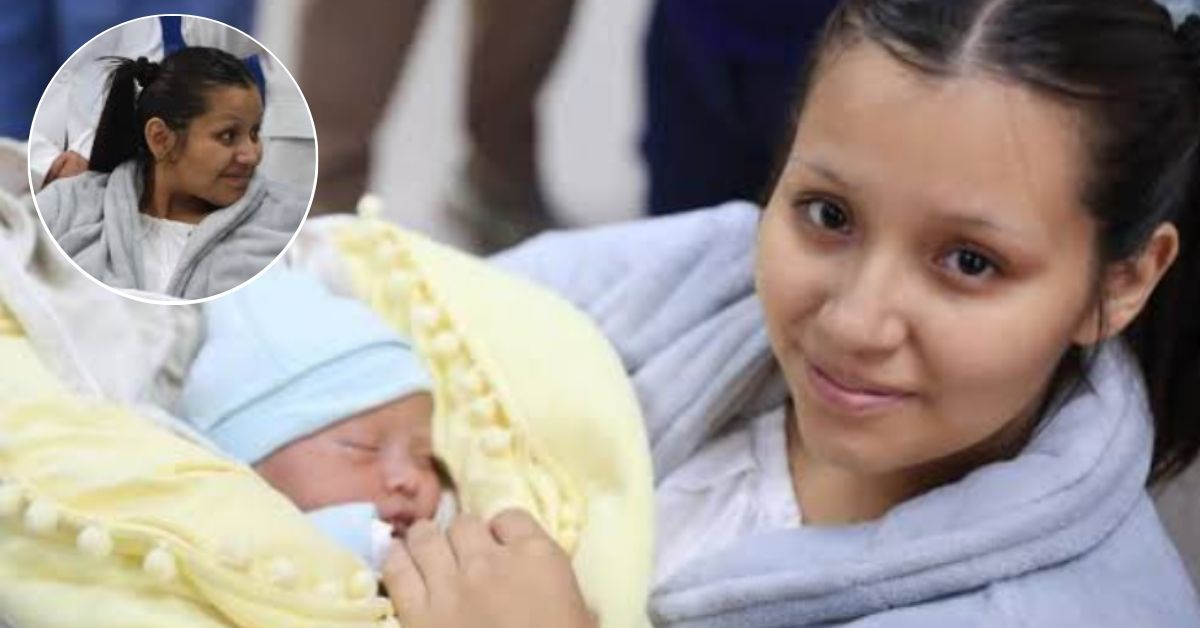
Imagine a pregnancy in which the child develops, not in the uterus, but in the abdomen, and the placenta attaches itself to the liver. Sounds like a movie script? Meanwhile, this is the true story of 19-year-old Valeria Veli of Peru. Doctors faced one of the rarest cases in medicine – an ectopic pregnancy that ended in a happy birth.
What exactly happened?
Valeria Vela entered a hospital in Lima with advanced pregnancy. Routine research showed something shocking: the baby developed outside the uterus, in the abdomen. The placenta was firmly attached to the liver, which provided him with blood through the vessels of this organ. Despite the huge risk, a girl named Aylin was born on 30 November 2025 in good condition – she weighed about 3.6 kg.
This is the first documented case in Peru and only the fourth in the world, in which both the mother and the child survived.
Extrauterine pregnancy – why is it so dangerous?
Usually ectopic pregnancy develops in the ovum and requires rapid intervention because it threatens to rupture and severe bleeding. The embryo is even less implanted in the abdomen or organs like the liver.
Main risks in such cases:
- Severe bleeding while trying to remove the placenta
- Damage to vital organs (liver is particularly vulnerable)
- Risk of mother and child
In the case of Valeria, doctors had to perform a complex C-section operation combined with advanced surgical techniques to avoid disaster. The multidisciplinary team was working on not to damage the liver.
What makes this case special?
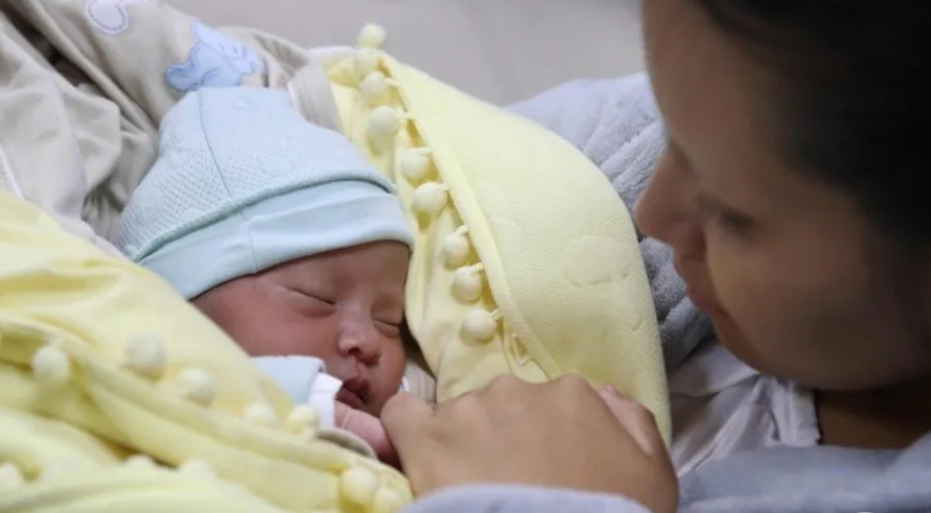
Most ectopic pregnancies end tragically. Here nature showed an extraordinary adaptation – the child developed for a full 40 weeks, taking nutrients through the placenta on the liver. This shows how amazing the human body is, although at the same time it emphasizes the limits of medicine.
Similar stories happen extremely rarely. Doctors emphasize that such cases do not change the standard procedure – early ultrasound diagnosis remains crucial.
What's next for Valeria and little Aylin?
They're both fine. The history of Valeria has rapidly circulated the world and gives hope to many women in difficult situations. It also shows the strength of modern medicine – without a precise team of specialists the result could be completely different.
This case reminds us that medicine still meets with exceptions that seem impossible. At the same time, he teaches humility to the mysteries of the human body.