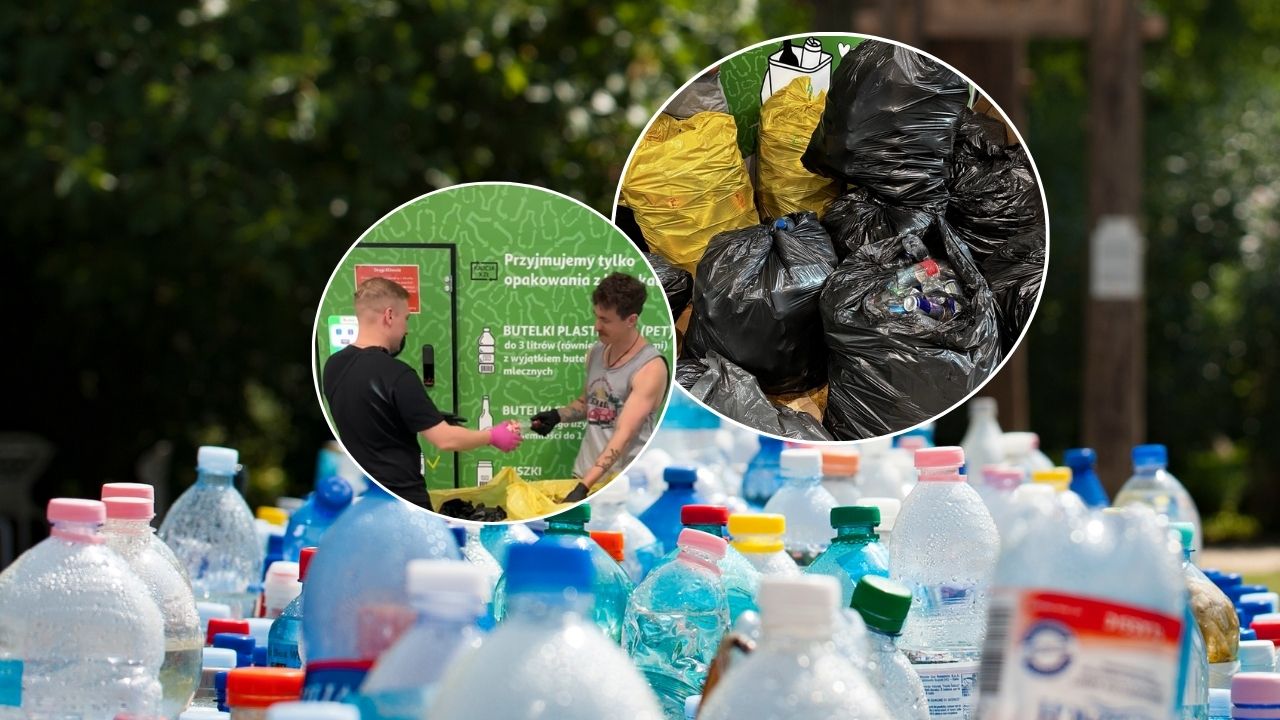
The value of unused bottles and cans exceeded 650 million PLN. Over 70 percent of the bail did not return to customers. Every time you visit the store, you pay 50 grams, and then for different reasons, that money stays with the operators.
System kaucyjny ruszył 1 października 2025 roku. Za plastikową butelkę do 3 litrów i puszkę do 1 litra płacisz 50 groszy. Za szklaną butelkę wielokrotnego użytku – 1 zł. Pieniądze odzyskujesz, oddając opakowanie w dowolnym punkcie zbiórki. Nie potrzebujesz paragonu. Wystarczy czytelna etykieta i kod kreskowy.
In theory, it sounds simple. In practice, many of us leave those 50 cents forever.
How much are we really losing on bail?
The analysis of PanParagon's application shows that the average consumer buys approximately 15 plastic packs and 12 cans per month. This is an additional PLN 13.50 every month. Each year, around 160 PLN comes out.
If you don't give up empty packages, that money is gone. In the first months of operation the system did not receive more than 70% of the accumulated bail. The difference between the packages placed on the market and those returned has already exceeded 650 million PLN.
Some bottles and cans still lie in homes, shops or warehouses. However, this does not mean that the entire amount will return to the customers. A large part of it has already powered the budgets of system operators.
What Happens to Unreceived Money
Unreceived bail does not go to the municipalities or feed the state budget directly. They stay with the deposit system operators. Money goes to:
- transport and sorting of packages,
- support for collection points,
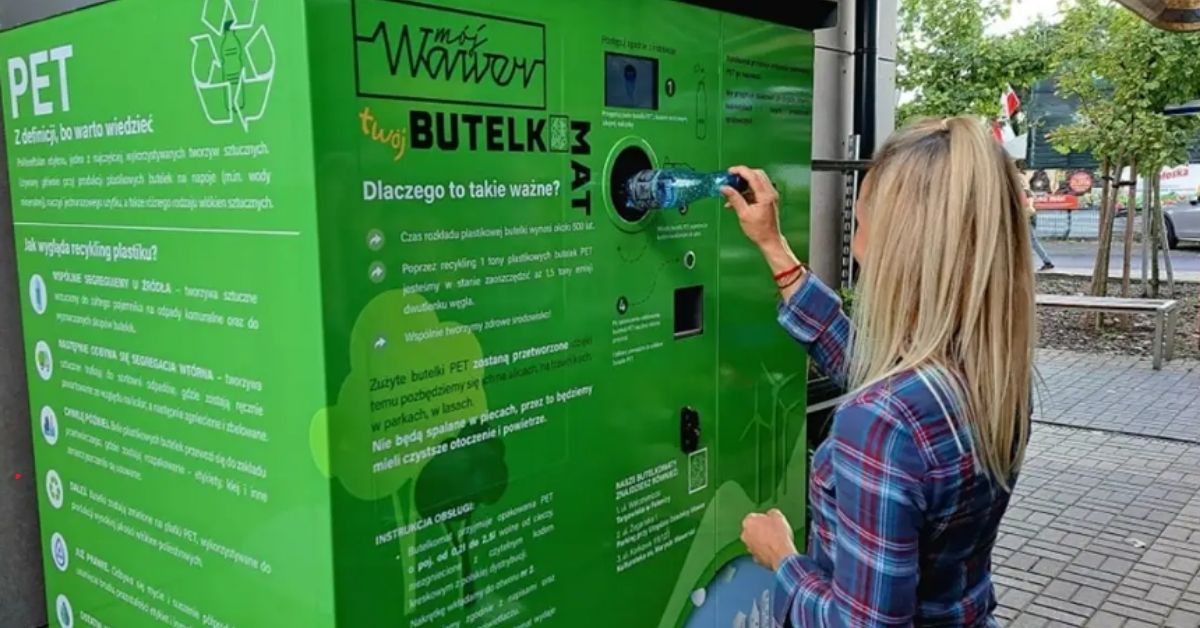
- purchase and service of deposit machines,
- infrastructure development.
The less packages return, the more resources remain in the system. It's kind of like a situation where you bail out a cart in a supermarket, but you never give it back – the store keeps the money and you lose it.
In June 2026 a record 700 million packages were returned. From the beginning of the year until the end of June, Poles already donated about 2.3 billion bottles and cans. Infrastructure is growing – there are already about 64,000 collection points. The system is gaining momentum, but still far from the target 90–95 percent of the returns that the Ministry of Climate and Environment is talking about.