

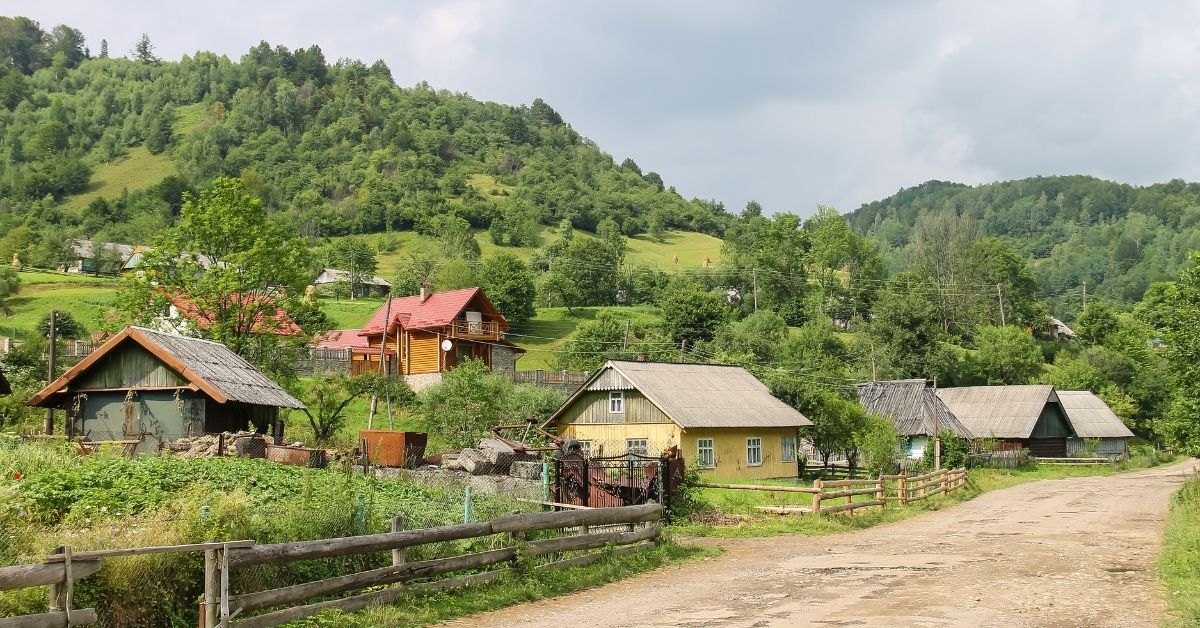
Dreaming of a quiet life in the countryside, but waking to the roar of a combine harvester at dawn or smelling the cowshed nearby? The government has a solution. Anyone who buys a home or plot next to farmland will have to sign a declaration at the notary’s office confirming they knowingly accept the typical “charms” of village life: machinery noise, smells and night fieldwork. It is part of the “lex rolnik” project, which is meant to protect Polish farmers.
Why is “lex rolnik” being introduced?
Polish villages are changing fast. More and more people from cities are moving out of town in search of quiet and space. Unfortunately, their expectations often clash with the realities of farm production. Tractor noise, the smell of manure or night harvesting become the reasons for court disputes and fines.
The Ministry of Agriculture and Rural Development has prepared a draft act on protecting the production functions of rural areas. The aim is to clearly establish that lawful farming is a normal part of rural life – not a “nuisance” for which a neighbour can be sued. The plan assumes the government will adopt the act in the third quarter of 2026, with entry into force shortly afterwards.
What exactly will change for property buyers?
The biggest novelty will affect buyers of houses and plots outside the administrative boundaries of cities. At the notarial deed they will have to make a declaration:
- Confirming awareness of possible nuisances associated with farming activity in the neighbourhood.
- Covering the noise of agricultural machinery, smells from animal production, increased traffic of tractors or fieldwork at unusual hours.
This is not a mere formality. The declaration is meant to prevent later claims of the “I didn’t know there was a cowshed next door” type. The notary will read it out before the deed is signed.
Benefits for buyers:
- Fewer unpleasant surprises after moving in.
- Clear rules from the very start of the transaction.
Drawbacks?
- Additional formalities and potentially higher notarial fees.
- Limited scope for court disputes in the future.
Protection for farmers – what will farmers gain?
The project introduces several key changes:
- Amendment to the Civil Code (new art. 144¹): Farming activity carried out in accordance with the law and the principles of proper husbandry will not be considered disturbing the peace beyond the average measure. The burden of proof shifts to the complainant.
- Amendment to the Petty Offences Code: Farmers will not be fined for night fieldwork (e.g. harvesting before rain) if they act lawfully.
- Additional protection for family farms against claims from new residents.
Real-life examples – how have disputes looked so far?
- A farmer from Łódź Voivodeship sued over smells from a cowshed despite many years of lawful operation.
- Fines for a combine harvester working after 10 p.m., because it “disturbs night-time quiet”.
- Complaints about animal noises or the movement of heavy equipment.
Such cases are multiplying, which threatens to weaken Polish agricultural production. The new rules are meant to stop this.
Source: Ministry of Agriculture and Rural Development,




Komentarze