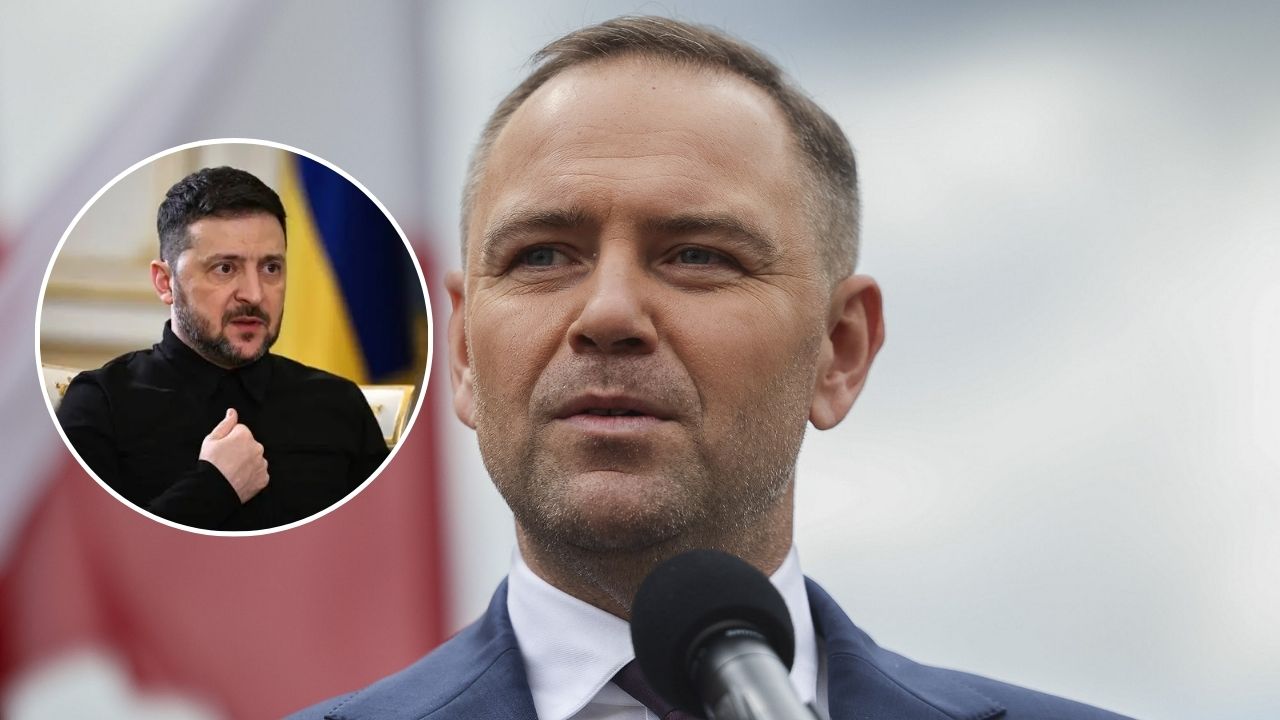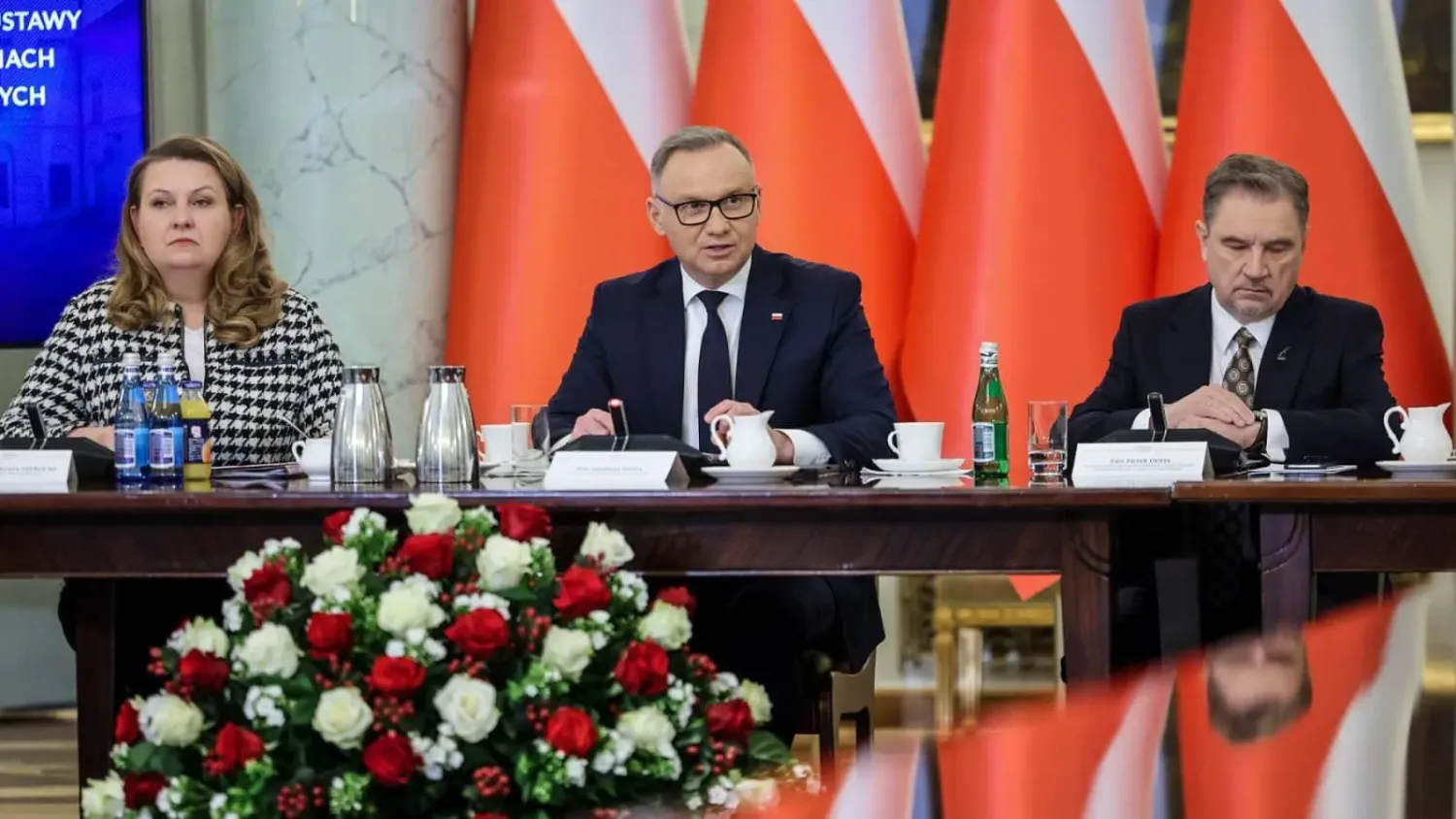
President Andrzej Duda vetoed a bill reducing the health contribution for entrepreneurs. This decision has sparked a broad debate – what does it mean for entrepreneurs and the whole health system?
Why did the president veto the health contribution bill?
President Duda justified the veto with serious doubts about social justice and compliance with the Constitution. He pointed out that such significant changes should be preceded by broad public consultations, which were missing in this case. The Social Dialogue Council and trade unions, including OPZZ and NSZZ Solidarity, also opposed the new rules, indicating the risk of widening inequalities.
What was the bill on the health contribution?
The amendment was to reduce the health contribution for about 2.5 million entrepreneurs. A two-elemental dimension base was envisaged: up to a certain level the contribution would be flat-rate and above – percentage. For the state budget, this would mean a loss of PLN 4.6 billion per year to the NFZ.
Who supported and who opposed?
- They voted for the bill: KO, Polish-2020/"title="Poland 2050">Poland 2050-TD, PSL-TD.
- Against: PiS, Left, together.
- Confederation abstained.
The effects of veto – what about health funding?
Veto means there'll be no reduction in the health contribution. The government planned to cover the missing funds in the NFZ from the state budget, but the President and experts warn that this could aggravate the financial crisis in health care. According to estimates, the gap in the NFZ could reach up to PLN 50 billion by 2026.
What does that mean for an entrepreneur?
The entrepreneur, who hoped for a lower contribution, must continue to pay according to the current rules. For the health system, this means maintaining the current level of funding, but also the lack of additional budget resources to cover losses.
Political and social consequences of decisions
The President's decision sparked a wave of comments – both positive and critical. Prime Minister Tusk announced that the subject of the health contribution would return in subsequent political debates. Veto fits into the hot atmosphere before the presidential election and stresses the importance of financing health in Poland.
Is this the end of the health premium dispute?
The President's veto stopped the reform, but did not end the discussion. The health contribution case remains one of the most important social and political topics in Poland. The future of the health system will depend on further decisions by the government and parliament.
It is worth observing developments – both entrepreneurs and patients are waiting for further proposals for changes in the financing of health care.