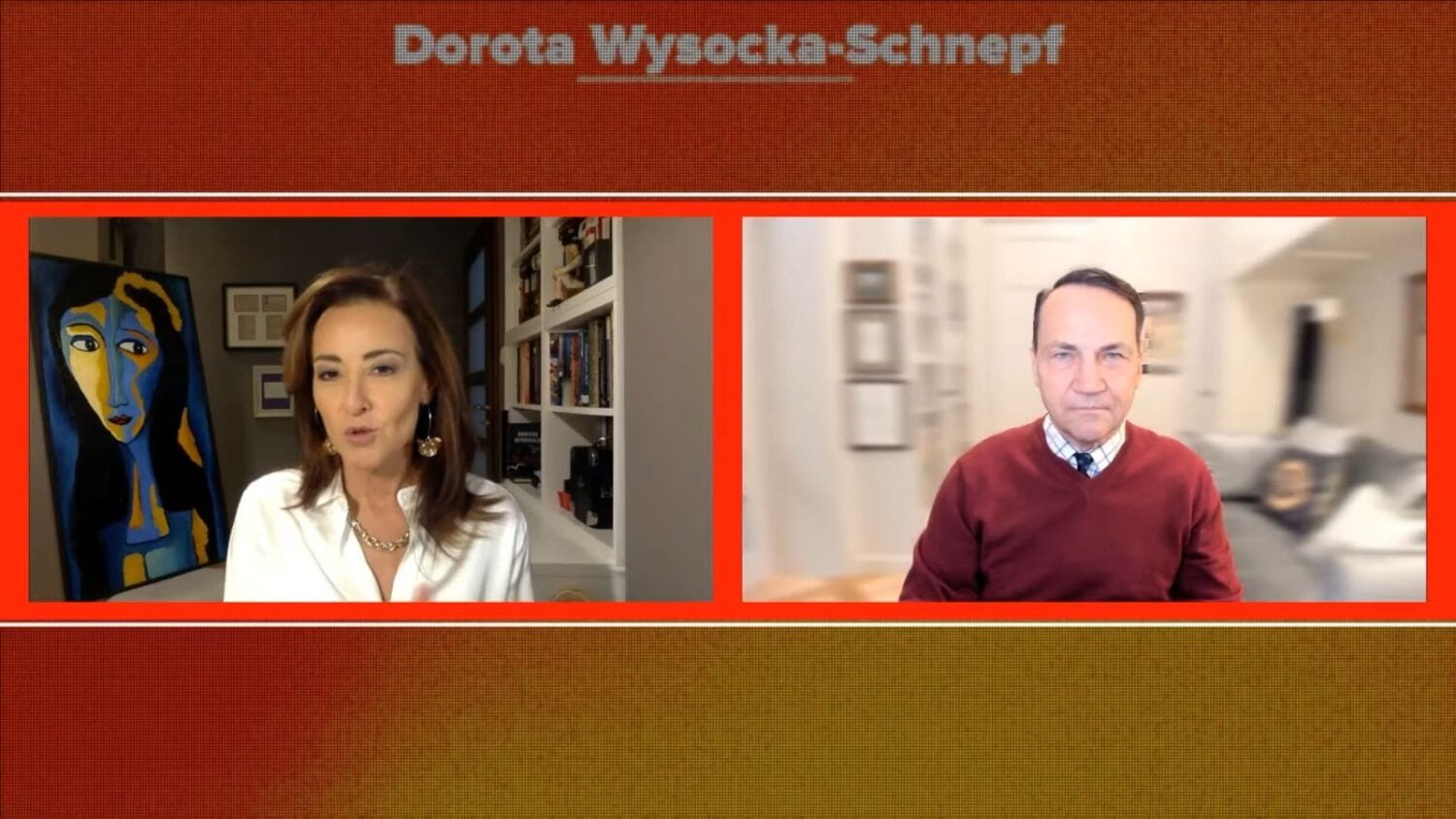
Just a day after the debut of her YouTube channel, Dorota Wysocka-Schnepf published her first full conversation. The guest was Deputy Prime Minister and Foreign Minister Radosław Sikorski. 47-minute interview, entitled "THE RESET? Deal Trump with Putin | Dorota Wysocka-Schnepf and Radosław Sikorski talk", appeared on YouTube platform late afternoon. In this short time, the material has already collected more than 2,000 views, 82 likes and – according to data from external tools – as many as 240 negative reactions ("trap down"). The journalist's channel has so far gained 657 subscribers, and the interview comment section has 118 entries, mostly critical. In the network, the interview quickly became a symbol of what the opponents of Wysocka-Schnepf call "the propaganda of the living room", strengthening its image as "priests of propaganda".
Subject: From Trump to discount anecdotes
The interview focuses on current geopolitical issues, with emphasis on US-Russia relations following the U.S. presidential election. Wysocka-Schnepf and Sikorski discuss potential "reset" in international relations, possible agreement between Donald Trump and Vladimir Putin and implications for Poland and Europe. The Foreign Minister warns against Russian misinformation and hybrid war, stressing that "Russia is already here and acts perfidiously". Sikorski urges that we not surrender to Kremlin propaganda, which is ironically contrasting with mass accusations against the journalist himself.
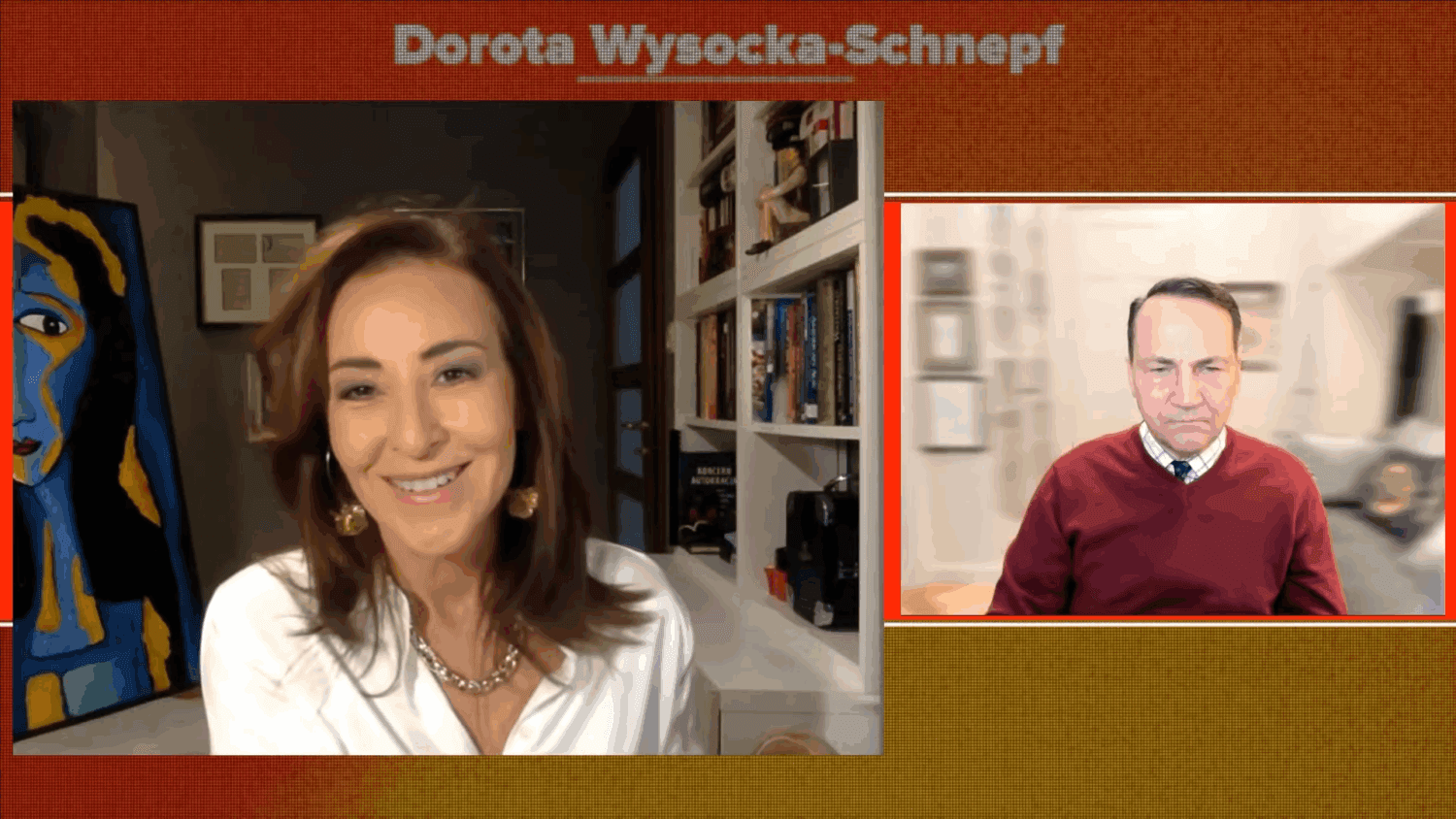
One of the most commented passages is the anecdote told by Wysocka-Schnepf and Sikorski. Journalist reports an accidental meeting with the minister at the grocery discont where they both sought... books. After Wysock-Schnepf split, she was to meet the Ukrainian woman who praised Sikorski, and the minister himself – Belarusian, who also expressed appreciation for his politics. This story has become a feed for critics who see it as an example of an elite narrative separated from reality. User X @HubnerrMax wrote: "How many coincidences did xD happen here. In FOOD DISCOUNT Schnepf and Sikorski met because they were looking for a book, and after they parted, Schnepf met UKRAINKA GROOKING SIKORSKI and Sikorski BIALRUSIN. Same place. But these are the incredible delusions of the "'elity" of Salon xD". The post collected numerous comments in which netizens ridicule "a touching story" and call it "propaganda".
The conversation is kept in a friendly tone, without confrontational questions – as the opponents of Wysocka-Schnepf interpret as evidence of its bias. Sikorski, known for his controversial speeches (e.g. recordings from the Sowa restaurant and Friends, where he spoke about the "morzność" of Poles), is not grilled here, but rather presented as a visionary of diplomacy.
The perception as a "captain of propaganda": Right-hand criticism avalanche
The Wysocka-Schnepf debut on YouTube, and especially the choice of Sikorski as the first guest, increased the accusations of propaganda. A journalist, who has been associated with public media and "Gazeta Wyborcza" for years, is seen by right-wing commentators as a symbol of the "salon" – an elite, liberal-left establishment that manipulates public opinion in favour of the government. The term "arcycaplanka propaganda" gained popularity after a dispute with Krzysztof Stanowski, founder of "Canal Zero". Wysocka-Schnepf sued him for that term, arguing that it is offensive, but critics see the irony in it: her career, including returning to TVP after 8 years and running programs like "Unsymmetrical Conversations", is a classic example of shaping narratives on behalf of power.
Propaganda or journalism?
The first conversation on Dorota Wysocka-Schnepf channel with Radosław Sikorski, although presenting important geopolitical topics, is perceived by many as propaganda due to the lack of critical questions and friendly tone towards the government representative. Critics see in it the continuation of the "salon narrative", where the journalist avoids confrontation, strengthening Sikorski's image as an expert without settling controversy. On the other hand, supporters consider this to be reliable journalism, focused on facts and analysis rather than sensationalism. Ultimately, the evaluation depends on the viewer's perspective: for some it is manipulation, for others – a valuable discussion.
What's next with the channel? Controversy as Fuel
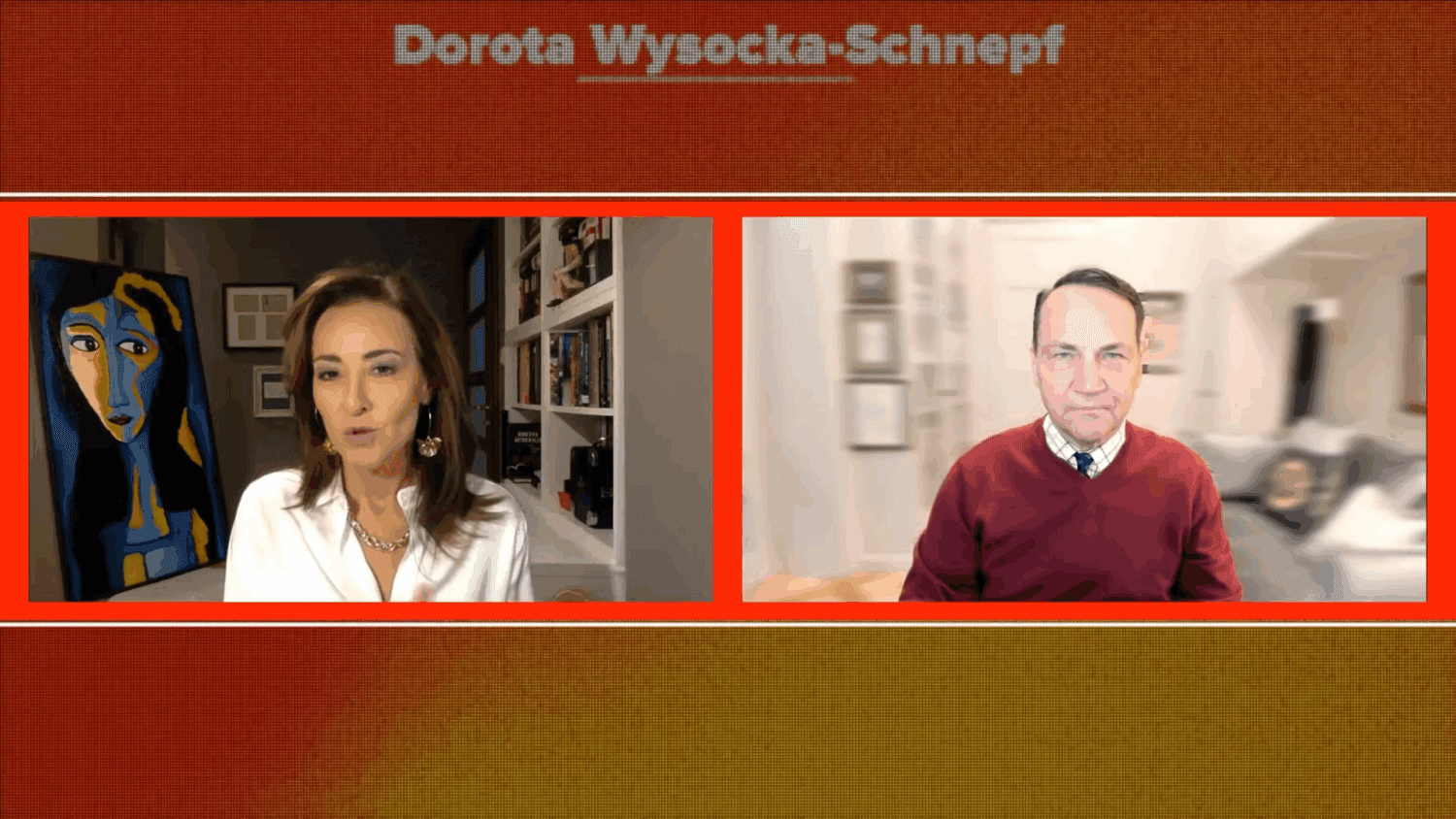
Interview with Sikorski confirms polarized reception of Wysocka-Schnepf. For some, it is reliable journalism, for others – propaganda in pure form, strengthening government narrative and attacking opposition. An avalanche of "trap down" (240 in just 4 hours) suggests that the channel can become an arena of Internet hate, but at the same time attracts attention. Will further material raise controversial topics, such as the Augustov Oblast or the role of the journalist's father-in-law? For now, Wysocka-Schnepf is silent on criticism, focusing on promotion.