

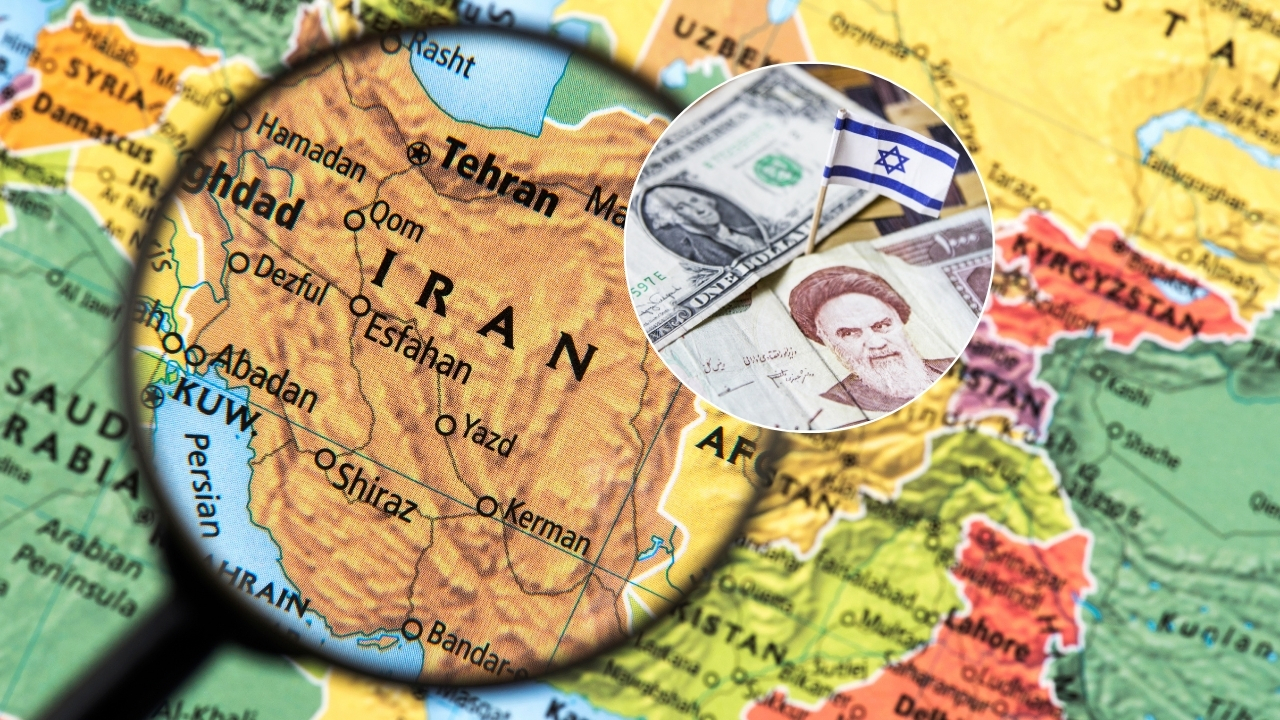
The American military has drawn up strike options against Iran that include the GBU-43/B, the largest non-nuclear weapon in the US arsenal, CNN reported on Thursday, October 15, citing officials. Neither the White House nor the Pentagon is among those confirming the plans, and no decision to attack has been made.
According to CNN, many American officials describe plans in which the GBU-43/B (MOAB, commonly known as the “mother of all bombs”) would hit Iranian energy infrastructure and nuclear facilities, including at Pickaxe Mountain. As the Jerusalem Post, citing CNN, reports, one source said the attack would take place “before the American withdrawal” from the CENTCOM area of responsibility. That would mean a strike after which US forces quickly leave the region.
Officially: no comment
A White House representative told Military.com that the administration does not comment on “sensitive military plans that may or may not exist.” As CNBC reports, a Defense Department official said the department is planning a “wide range of operational scenarios” to carry out the orders of the president and the secretary. CNBC notes that it has not independently confirmed the reports, and Reuters, according to the agency SANA, could not immediately verify them.
Doubtful effectiveness
CNN’s sources point out that the MOAB is not a penetrating bomb. It weighs 21,600 pounds (about 9.8 tons), is GPS-guided, and detonates just above the target, creating a blast wave that destroys surface targets, tunnels and light infrastructure. One source described it as a weapon great for clearing large areas, but “definitely not designed” for deep penetration. According to CNN’s account, the bomb likely would not reach deeply buried Iranian nuclear facilities. Another source, quoted by RT, said the use of the MOAB would be primarily psychological. One CNN source described the plans as a “fireworks show” that could give Trump a way to end the conflict.
So far, the MOAB has been used in combat once: on April 13, 2017, in Afghanistan, against an Islamic State tunnel complex in Nangarhar province. US Forces Afghanistan confirmed this at the time.
Background: Trump's promise and the elections
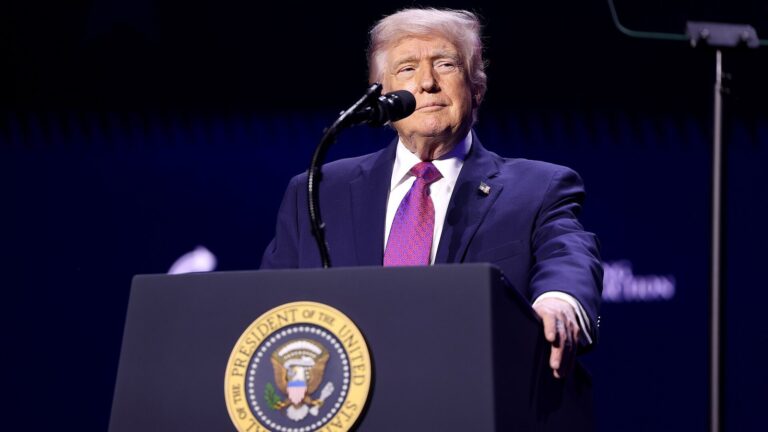
According to CNBC, Donald Trump stated on October 8 that he would not resume strikes on Iran before the November 3 midterm elections. However, presidential advisers tell CNN that it is unclear whether he will change his mind before election day. Tensions are rising: CNBC mentions attacks on shipping in the Strait of Hormuz and deadly Houthi strikes in Saudi Arabia. On Monday, October 13, Trump wrote on Truth Social that the Houthis were acting “probably on Iran’s orders,” which he called a “failing state.” Iran says it will continue fighting for its demands, which include lifting the American naval blockade and sanctions and withdrawing US troops from the region.
The war between the US and Israel and Iran has been ongoing since February 28, when both countries carried out a massive attack on Iran.
What it means
For now, these are options on the table, not an order. A possible strike before November 3 would mean breaking the president’s pledge and a new escalation in a region on which oil prices depend, and indirectly fuel prices in Poland. A strike on energy infrastructure could further affect the commodities market. As of publication, Tehran has not responded to CNN’s reports, and the White House has not confirmed them.



Komentarze