

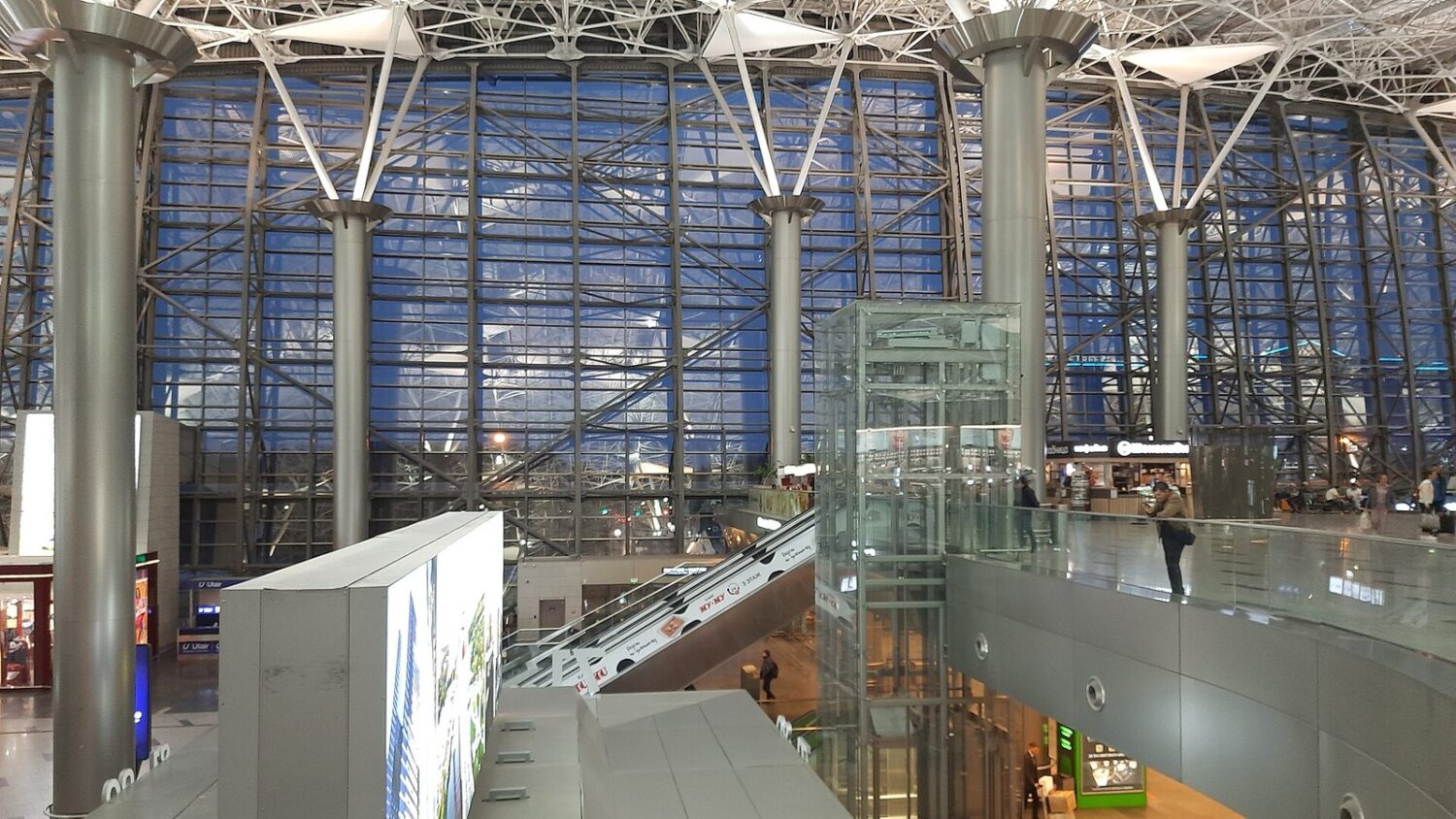
A growing number of Russians who fled repression after 2022 are being forcibly sent back to their country from the US and European states, the BBC reports. After landing in Moscow, they are met by officers of the Federal Security Service (FSB), interrogations lasting hours and, for men, summonses to military enlistment commissions.
As the BBC reports (in a summary published by the Polish daily “Rzeczpospolita” on Friday, 16 October), after Russia launched its full-scale invasion of Ukraine in 2022, many countries declared readiness to accept fleeing Russians. More than four years later, attitudes have shifted, and asylum refusals increasingly end in forced return, usually under escort and via third countries.
What Awaits Deportees in Moscow
The BBC describes the case of Katia, deported from the US after two years of residence. According to her account, which another passenger and one of the activists confirmed, after landing FSB officers handed all men on board summonses to military enlistment commissions. From there they may be sent to fight in the war in Ukraine. Deportees were questioned for several hours; Katia was released, but, as she says, police officers continue to call her and visit her home.
Independent Russian media have described a similar course of earlier flights. On a December flight from the US via Cairo, which landed at Moscow’s Domodedovo airport on 9 December 2025, The Moscow Times reported accounts that men received summonses immediately after landing, and that the FSB kept documents back for many hours. The Russian Prosecutor General’s Office confirmed the detention of one passenger wanted for fraud, as Euronews reported.
Numbers and Cases
According to the BBC, the number of people deported from the US to Russia rose from 222 in 2023 to a many times higher level in 2025, during the tightening of migration policy under Donald Trump’s second term. Human rights activists say those sent back included dissidents and deserters; some who returned were jailed or sent to the front.
One example is Leonid Mielechin, an anti-war activist who, after his 2025 deportation, was charged with “justifying terrorism” and sentenced to six years in prison. Meanwhile, Artiom, a deserter deported via Egypt, was held in a military detention centre in Russia, from which he escaped; he is now hiding abroad. He says immigration officials did not believe his fears.
Europe Also Tightens Its Course
Data from the German government, cited by the BBC, show that in 2023 Germany deported seven Russians, and in 2025 more than 110. In 2022–2025, more than 21,000 Russian citizens applied for asylum there, and the share of positive decisions fell from 29% in 2023 to 6.8% in the first eleven months of 2025. Across the EU, the share of Russians receiving any form of protection fell from 23% in 2024 to about 17% in the first nine months of 2025.
The BBC also describes a couple from Finland whose asylum application was rejected five times by the Finnish Immigration Service, which found that they would not face serious human rights violations on return. The man in Russia was charged with spreading “false information”, and his wife is a Jehovah’s Witness, a organisation deemed “extremist” there. The Russian Anti-War Committee in exile has changed its advice: the EU is no longer considered a safe place.
Memorial assesses that repression in Russia has reached an “unprecedented level”; the number of political prisoners rose in 2025 from 803 to 1,265.
What It Means
For Poland, which borders Russia and Belarus, this is mainly a question of asylum practice: applications from Russians for protection may increase if the EU and the US come to be seen as less safe destinations. There are also rumours of a new wave of mobilisation in Russia, which the Kremlin denies. As of publication, there has been no official reaction from US or Russian authorities to the BBC material.


Po co zachodowi uśpieni rosyjscy agenci. Skoro rosjanie nie chcą się buntować przeciw władzy , to zachód ma związane ręce. Zawsze mogą uciec do Kazachstanu czy tam innej Serbii i czarnogóry.