

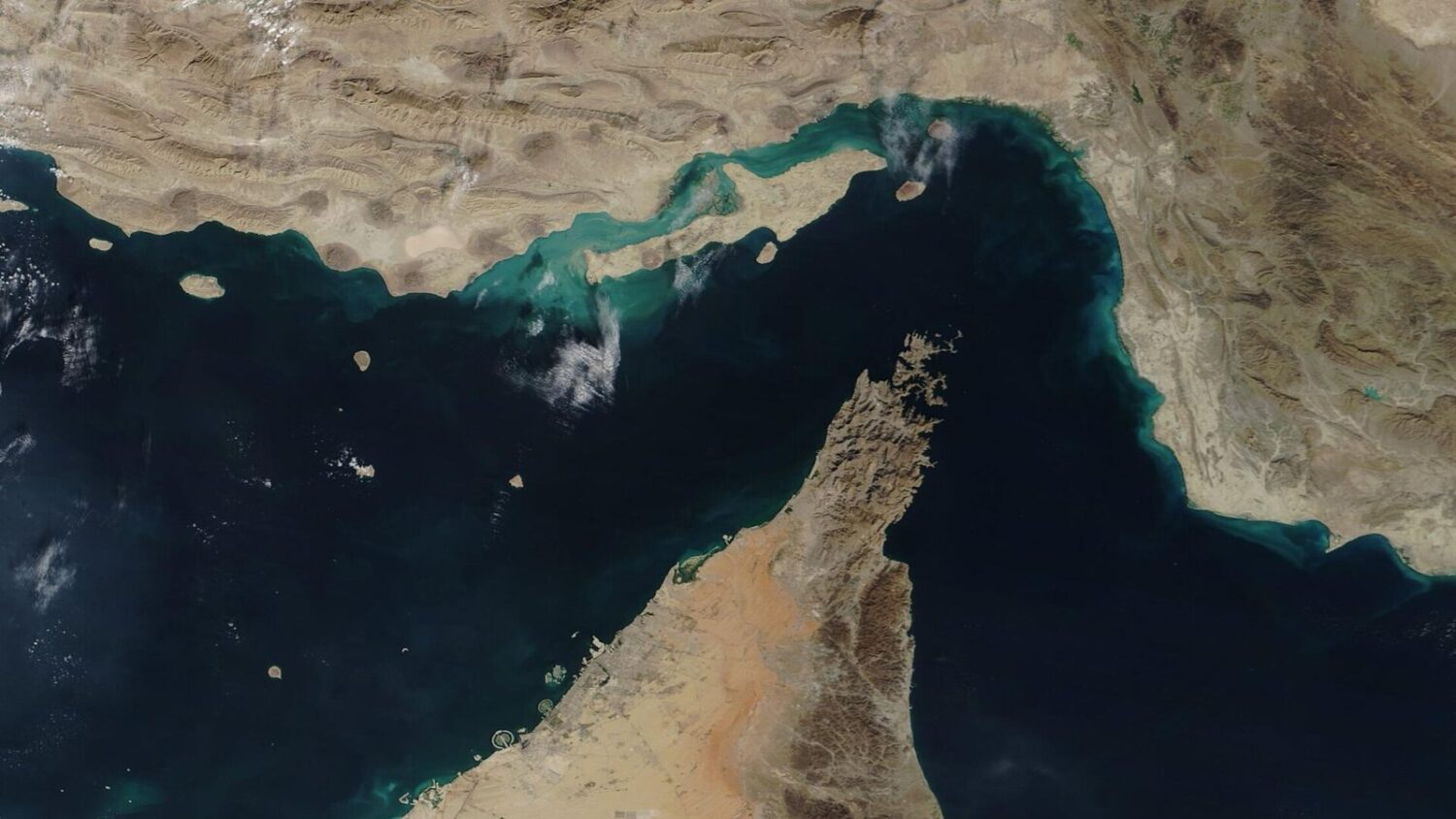
Gas prices on European exchanges are rising after further reports of attacks on ships in the Strait of Hormuz area. On Wednesday, October 21, the benchmark TTF contract in Amsterdam gained 2.6%, to €87.25 per MWh.
The quotes were reported by the Polish Press Agency (PAP), as cited by “Rzeczpospolita”. The day before, on Tuesday, October 20, the intraday price reached €90 per MWh for the first time in almost four years, before dropping sharply. The move was prompted by unconfirmed reports from anonymous sources about peace talks between the US and Iran. The speculation was denied, and according to PAP, Iran told a mediator from Pakistan that it would not negotiate with Washington until its conditions are met.
Mines, Fires and More Tankers
Over the weekend, a tanker struck a naval mine in the southern part of the strait. The Iranian Islamic Revolutionary Guard Corps (IRGC) said that an explosion and fire broke out in the engine room. According to that statement, the vessel attempted to leave the strait with its location system switched off, outside the route designated by Iranian authorities.
On Tuesday, the IRGC reported two more tankers that were said to have hit mines or caught fire. According to Kpler, cited by the BigGo Finance portal, at least 18 vessels were attacked within two weeks. The statements from the parties to the conflict have not been independently verified. PAP notes that Iran has changed its tactics and increasingly uses small civilian boats carrying unarmed observers to locate targets.
We covered the earlier phase of the conflict in our article on the exchange of strikes between the US and Iran near Hormuz.
Storage Before Winter
The market is sensitive because stocks are lower than usual. According to calculations by Gas Infrastructure Europe (GIE), cited by PAP, EU storage facilities are 74.5% full (843.65 TWh), while the five-year average for this time of year is 89.1%. The OGJ portal reports that the level in Germany is around 61%.
Before the war, around 20% of global LNG supplies passed through Hormuz, an assessment cited by Fitch Ratings and reported by Oilprice.com. The restricted flow means that Europe and Asia are competing for cargoes that bypass the strait.
What Comes Next for Prices
According to Bloomberg Intelligence, gas in Europe could rise above €100 per MWh, even with milder weather forecasts. Analysts note that the conflict shows no signs of easing. Morgan Stanley, as reported by Yerepouni News, expects an average winter price of around €85, and above €100 in case of a harsh winter or a further deterioration in supplies from Qatar.
On October 14, Euronews wrote that gas prices had neared a four-year high, while Brent exceeded $110 per barrel this week. Oil and gas react to the same headlines: as market observers point out, news of a possible agreement can move oil prices by several dollars within a single day.
What It Means for Poland
TTF is the reference point for wholesale gas prices in Europe, so it affects import costs for Polish companies and trading firms as well. The impact on household bills is not automatic: it depends, among other things, on tariffs approved by the President of the Energy Regulatory Office (URE) and on retailers’ contracts. Changes in costs may be more noticeable for industry, for example chemicals and fertilisers, as well as in prices offered to businesses under new contracts. Data on Polish storage levels is worth comparing with the EU figure; the available sources do not give them in a form comparable to the GIE calculations.



Komentarze