

Russia has prepared a plan for a month-long campaign of strikes meant to deprive Kyiv, Kharkiv and Odesa of electricity, heating and water, the New York Times reports, citing an intercepted document. The paper notes that it could not verify the document’s authenticity.
According to the New York Times, as cited by Ukrainian media (including Ukrainska Pravda), journalists gained access to a Russian-language document that Kyiv handed to European officials in September. The document is dated August. The NYT stresses that it cannot independently authenticate it and that it is unknown whether Moscow will carry out the scenario described.
How much weaponry the plan envisions
Estimates in the document suggest that Russia would need about 70 ballistic missiles, 720 long-range drones and 150 guided aerial bombs to achieve the goal. The paper compared these figures with data on Ukrainian air defence: this is roughly the number of ballistic missiles and drones that get through Ukraine’s air defences in a single month. According to the NYT, Moscow therefore assumes that one month of strikes would achieve an effect that four winters of attacks on Ukraine’s grid have not.
Targets and effects
As Hromadske describes, citing the NYT, the plan covers substations, hydropower and thermal plants, and boiler houses. It also foresees strikes on switchyards connecting three operating Ukrainian nuclear power plants to the grid, in order to force their shutdown. A separate strand concerns water infrastructure: pumping stations and wastewater treatment plants. The NYT points out that Russia has not attacked such facilities on a large scale.
In Kyiv, Kharkiv and Odesa, electricity and heat supplies could fall by as much as 90 percent, and the sewage system would be seriously disrupted. The campaign would unfold in three stages: first substations near the western border, through which imported European electricity flows, then hydropower plants, and finally nuclear infrastructure. The goal is to eliminate nearly 15 GW of capacity, roughly what Ukraine had at the end of summer.
Background: attacks continue
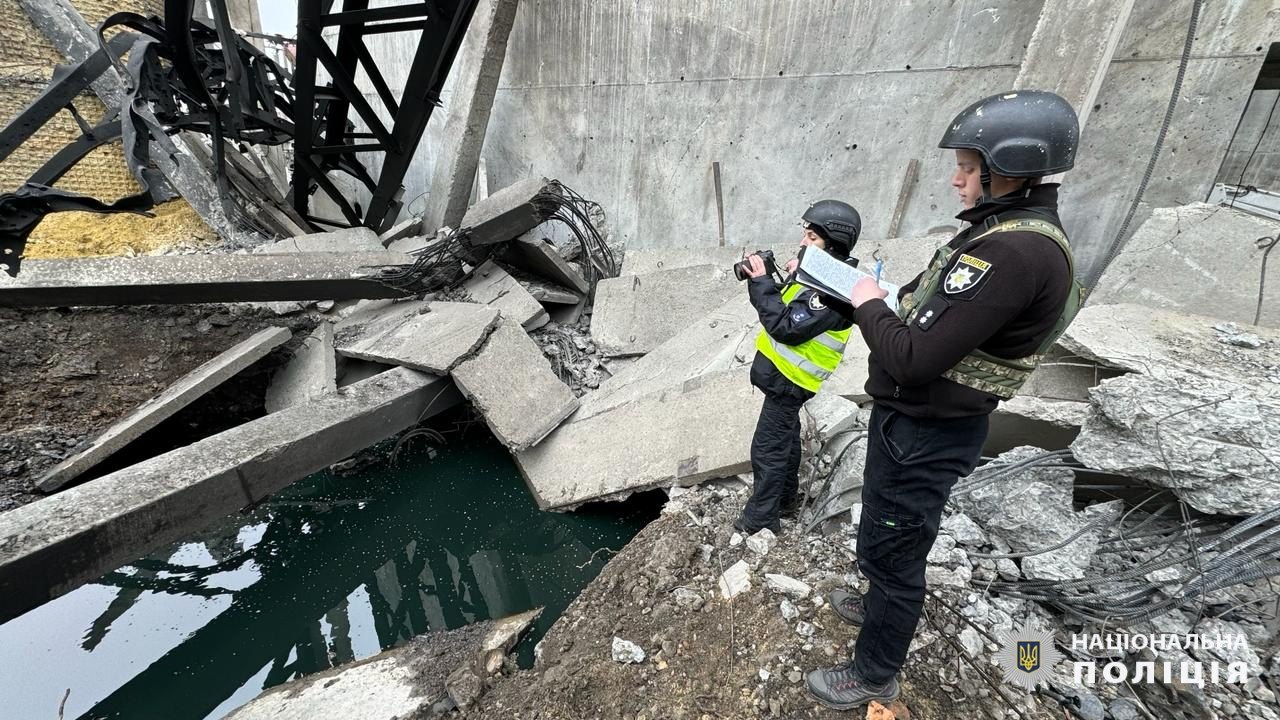
Ukrainian authorities are warning of escalation. President Zelensky said that on the night of October 13–14 Russia used 39 ballistic missiles and more than 120 drones against energy infrastructure in Kyiv, the Kyiv region and Kharkiv.
According to the Ukrainian Air Force, at least 600,000 people were left without power. In the following day, as the Ukrainian Ministry of Defence reported, more than 850 Shahed drones were launched, and six people were killed in Kryvyi Rih and the Dnipropetrovsk region. Ukraine has long proposed a limited ceasefire covering energy or ports, which Russia has rejected, the NYT recalls. Air defence, especially Patriot missiles, remains in short supply; Ukraine’s ambassador to NATO, Alona Hetmanchuk, points in particular to the need for air-to-air missiles to counter jet-powered drones.
We covered the wider context of the attacks on Kyiv in our article on the massive attack on the Ukrainian capital.
What it means
Successful strikes on substations near the western border could curb electricity imports from Europe, while worsening conditions in cities could increase refugee flows to the EU, including to Poland. As of publication, there has been no official reaction from the Kremlin to the NYT report.





Komentarze