

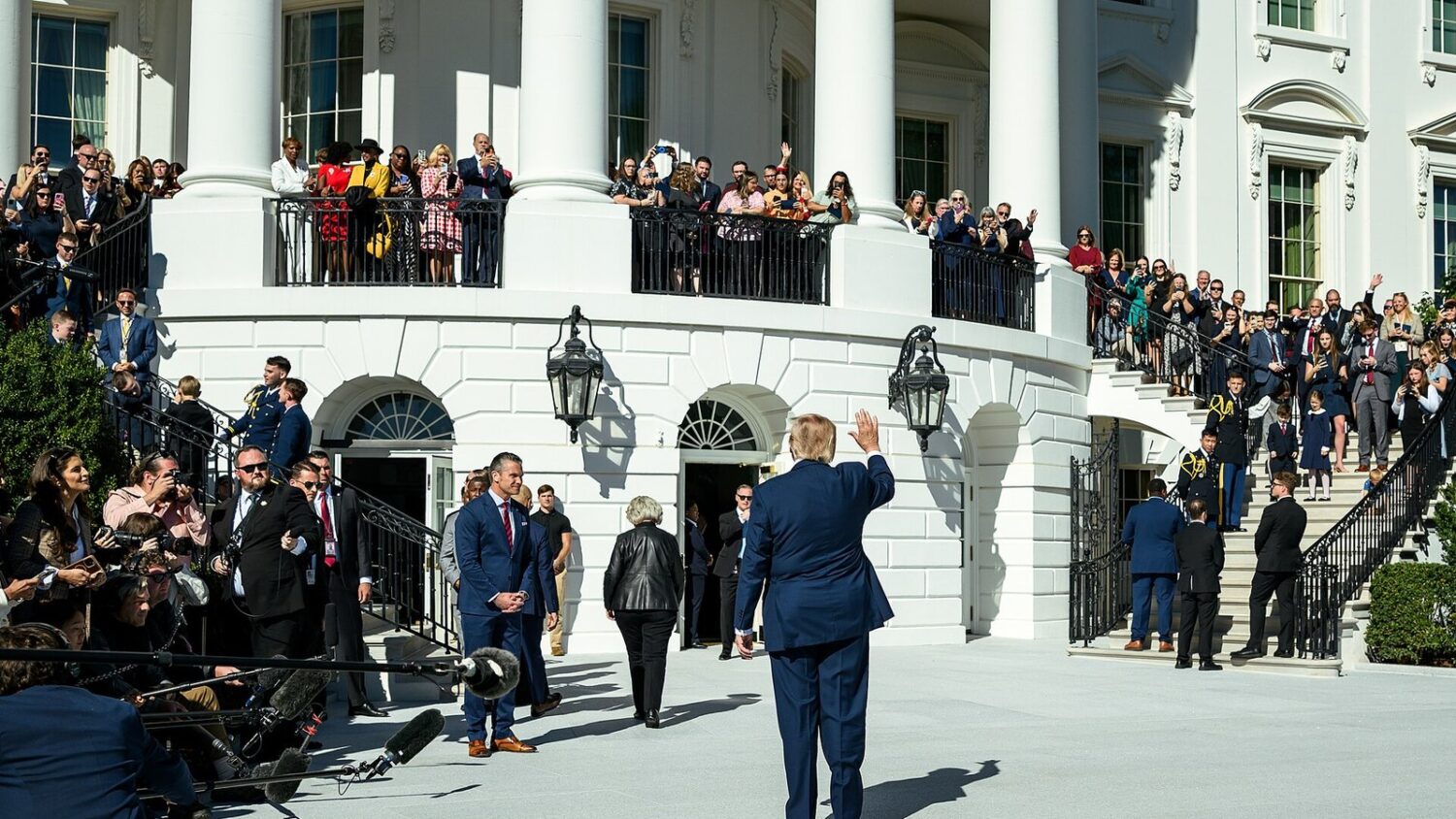
Donald Trump signed an executive order on Friday, October 16, suspending new sanctions and tariffs on Russia under the so-called Graham Act, two days before they were due to take effect. No one has yet calculated how much Moscow stands to gain, and circulating estimates of “hundreds of billions of dollars” have no official backing.
What the order contains
According to the text published by the White House, Trump used Section 115 of the act, which allows the president to waive its provisions after submitting to Congress a written certification that this is in the US national interest, along with a justifying report. The president wrote that he had submitted such a certification.
The act, which Trump himself signed on September 18, provided, among other things, for a 500% increase in tariffs on goods from Russia and 100% tariffs on the five largest buyers of Russian oil and gas that knowingly purchased it after October 18. In addition, there were sanctions on Russian authorities, banks and entities. The order waives the tariffs and the sanctions provisions it specifies. It stresses, however, that it does not change sanctions previously imposed under other orders.
The waivers are to remain in place until the president or the secretary of state determines that further steps are needed. The text does not mention a 60-day deadline.
White House and Rubio: "analysis", but also negotiations
White House spokeswoman Taylor Rogers said enforcing the sanctions now would undermine American efforts to secure a lasting peace between Ukraine and Russia (quoted by Axios). On Saturday, Secretary of State Marco Rubio said the president wants to use 60 days to analyse the impact of the sanctions and tariffs on the global and American economies, pointing to tensions in the energy market (reports by France 24 and NBC News). Asked by reporters at Mar-a-Lago, Trump replied: “It’s a very good decision”, adding that reporters did not yet know what it was (quoted by NBC News).
The decision came a week after Trump announced an agreement on deliveries of Russian diesel, which, as AP reports, Republicans have also criticised.
Reactions: Congress and Kyiv
Criticism came from both parties. Republican Senator Thom Tillis called the move “beyond irresponsible”, while John Cornyn wrote: “Lindsey would be appalled”. Democrats Chuck Schumer and Richard Blumenthal accused the president of making concessions to Putin (Axios report). The act passed the Senate by a vote of 86 to 11.
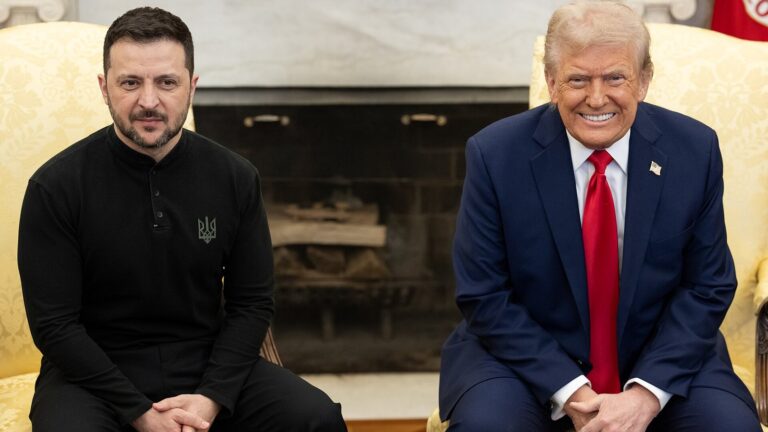
Volodymyr Zelensky said the suspension “only helps the Russians”. On Saturday he also wrote that the easing of sanctions could continue:
How much Russia could gain
No official source has given a figure. The act had not yet taken effect, so the suspension means above all no new losses, not a refund of losses already incurred. The frequently cited figure of $450 billion comes from last year’s British Foreign Office estimate and concerns how much existing international sanctions have cost Russia since February 2022, not the gains from the current decision. The real effect depends, among other things, on whether China and India, the main buyers of Russian commodities, would have avoided the tariffs, and on how long the pause lasts.
NBC News assesses that the suspension gives Russia financial support, but offers no calculations. As of publication, the Kremlin had not given its own assessment of the financial impact.
What it means
For Poland and Europe, nothing changes immediately: EU sanctions on Russia remain in force. The question is whether, after any expiry of the pause, the US will return to pressuring buyers of Russian oil, and how that affects the commodities market and support for Ukraine in winter, when Russia, according to Zelensky, has been attacking Ukraine’s energy sector for a week.



Komentarze