

During the night of 29 to 30 July 2025, off the eastern coast of the Kamchatka Peninsula in Russia’s Far East, one of the strongest earthquakes ever recorded occurred, with a magnitude of 8.8 on the Richter scale.
The epicentre was near the city of Petropavlovsk-Kamchatsky. The main, very powerful tremor was followed by a series of aftershocks, the strongest reaching magnitude 7.0. This phenomenon posed a serious tsunami threat across the Pacific Ocean.
Impact of the Disaster
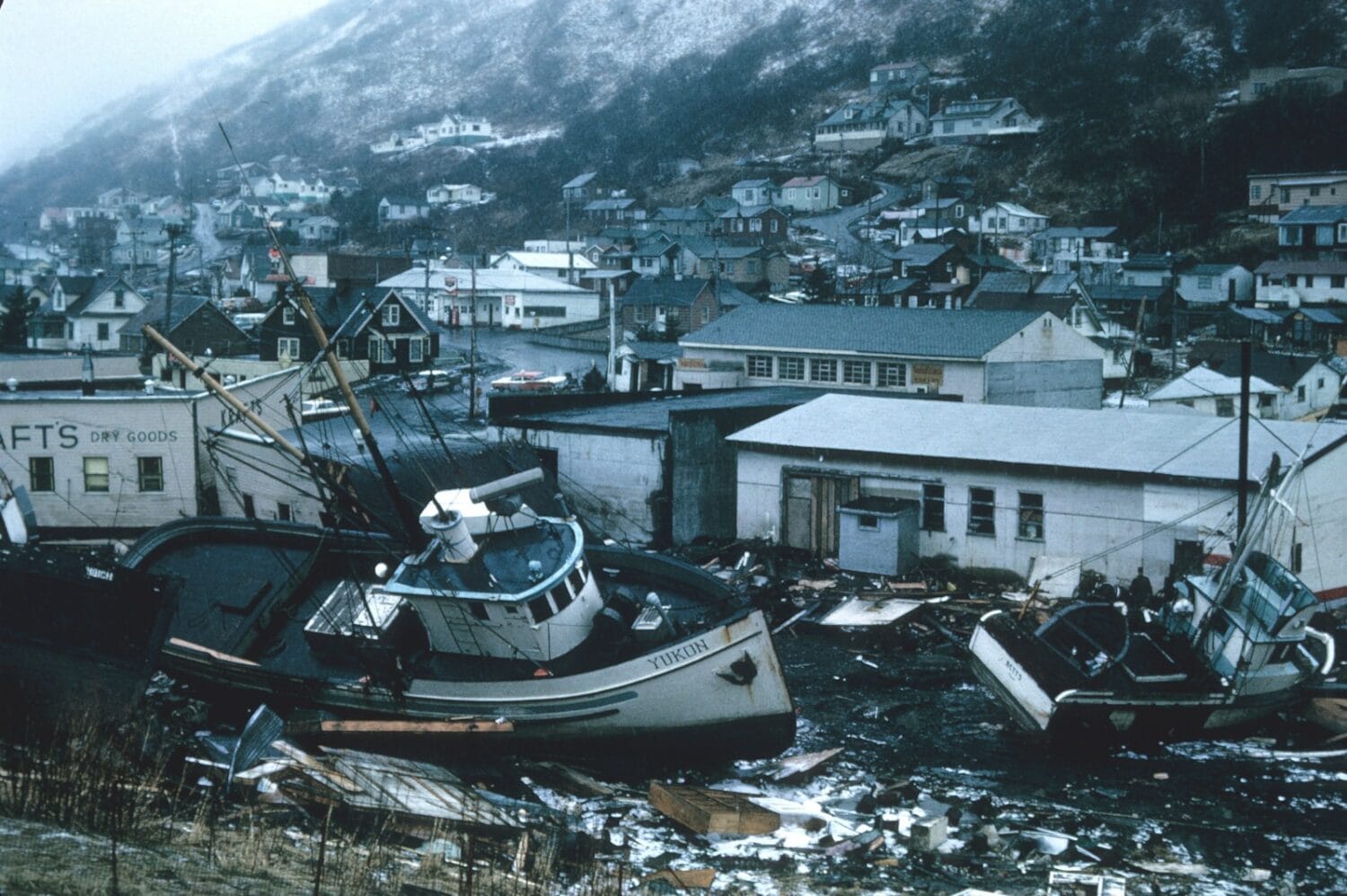
Following the earthquake, tsunami waves reaching up to 4 metres high struck the coasts of the Kamchatka Peninsula and nearby islands such as Paramushir and Shumshu. In Severo-Kurilsk, the waves destroyed residential buildings and infrastructure, tore moored ships from their berths in the port, and caused power outages. On Shumshu Island, the wave completely destroyed a camp.
The number of injured in Russia was small, with at least 4 people lightly injured, mainly as a result of panicked evacuations and people fleeing buildings. No fatalities were reported directly in Kamchatka.
However, a tragic death was recorded in Japan, where a 58-year-old woman died when her car plunged off a cliff in Mie Prefecture during an evacuation ahead of the expected tsunami.
In response to the earthquake and the threat of a tsunami, rescue and government services along the entire Pacific coast issued alerts and began evacuating residents. Warnings covered parts of Russia, Japan, the Philippines, Indonesia, the United States (including Hawaii, Alaska and California), Canada, as well as countries in South America and Pacific islands such as Samoa, Tonga and Guam.
The earthquake of 30 July 2025 has been classified as one of the strongest in the history of seismological measurements. Thanks to rescue operations and early warning systems, casualties and damage were kept to a minimum.





Komentarze