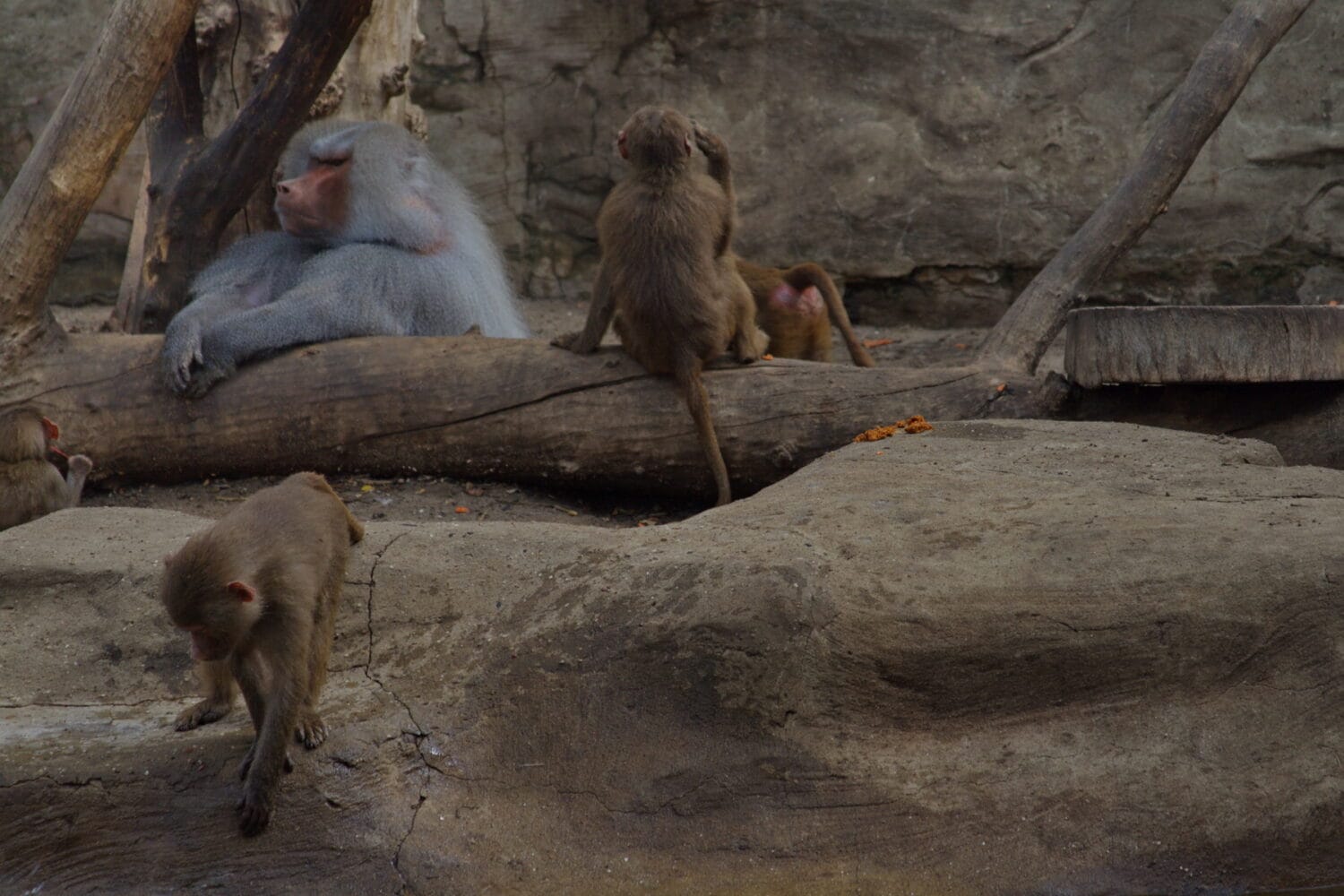
The Nuremberg zoo in southern Germany shocked the public, announcing the killing of 12 healthy baboons due to overflow. This decision sparked a wave of outrage and protests by animal defenders.
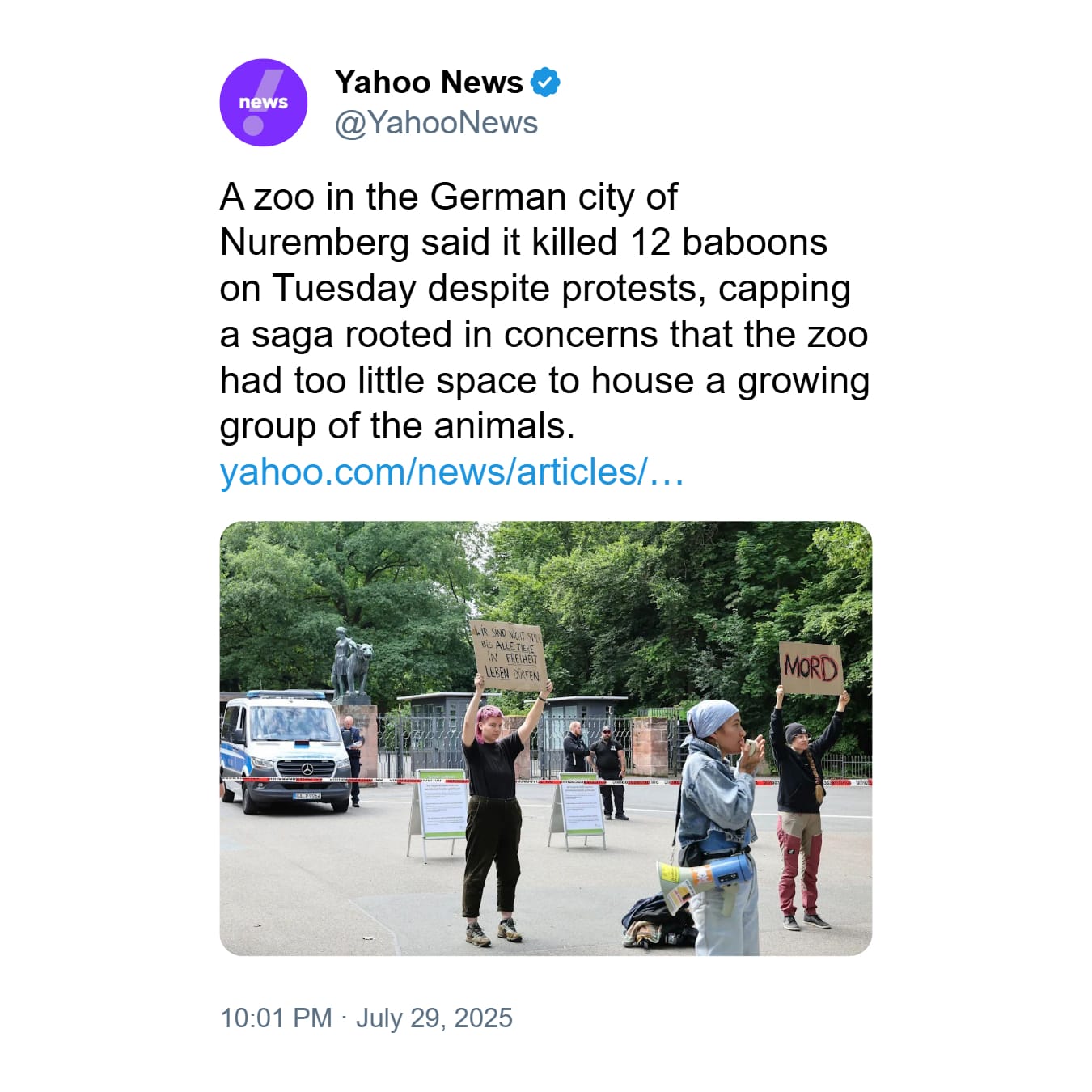
The zoo in Nuremberg, Germany, reported that 12 baboons were killed on Tuesday despite protests, thus ending the saga, whose source of concern was that the zoo had too little space to accommodate a growing group of animals.
Why did the zoo take such a step?
Seven animal rights activists were arrested after entering a zoo in southern Germany.
The baboons that were killed lived in Tiergarten Nürnberg. In recent years their number has grown to 43While the pavilion could accommodate only 25 animals plus young ones. Too many animals in one place led to increasingly frequent conflicts, wounds and stress in the group. The zoo has been trying to find other solutions for months:
- Attempts to give baboons to other gardens ended in failure – everywhere was a set.
- The use of contraception was not effective..
- The expansion of the pavilion was impossible for technical and financial reasons.
- Animals could not be released for safety reasons..
What was the decision to eliminate?
Eventually, the zoo manager, Dag Encke, he justified his decision as "the last rescue plan" and stressed that only healthy adult individuals were chosen – none of them were pregnant or were used for scientific research. After killing (The animals were shot.), their bodies were placed in laboratory analysis and then as food for predators in the zoo.
Social response and protests
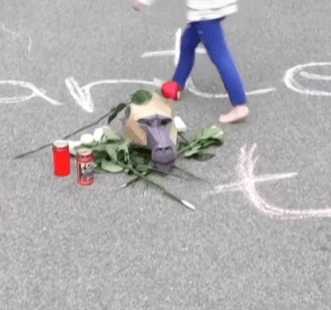

Reports of killing baboons immediately sparked:
- Demonstrations under the zoo; some activists breached the fence, and one person stuck to the ground before entering.
- Police detention – a total of seven people were arrested in connection with protests.
- Claims against managers; animal welfare organisations found the decision scandalous and deliberately incompatible with ethics and animal protection law.
Could the problem have been resolved differently?
Animal protectors indicate that the problems are the result of long-term negligence and lack of effective reproductive control, suggesting alternatives:
- Creation of an international bank of places for endangered species.
- Increase spending on more effective methods of animal contraception.
- Emergency plans for similar crises – e.g. temporary shelters outside the zoo.
Baboons in European gardens: not the first such case
Culling – controlled removal of healthy animals – is the subject of regular public debates in Europe. In 2014, the world revolved about killing a healthy giraffe in Copenhagen. These issues are always controversial and raise questions about the ethics of the functioning of modern zoos.