

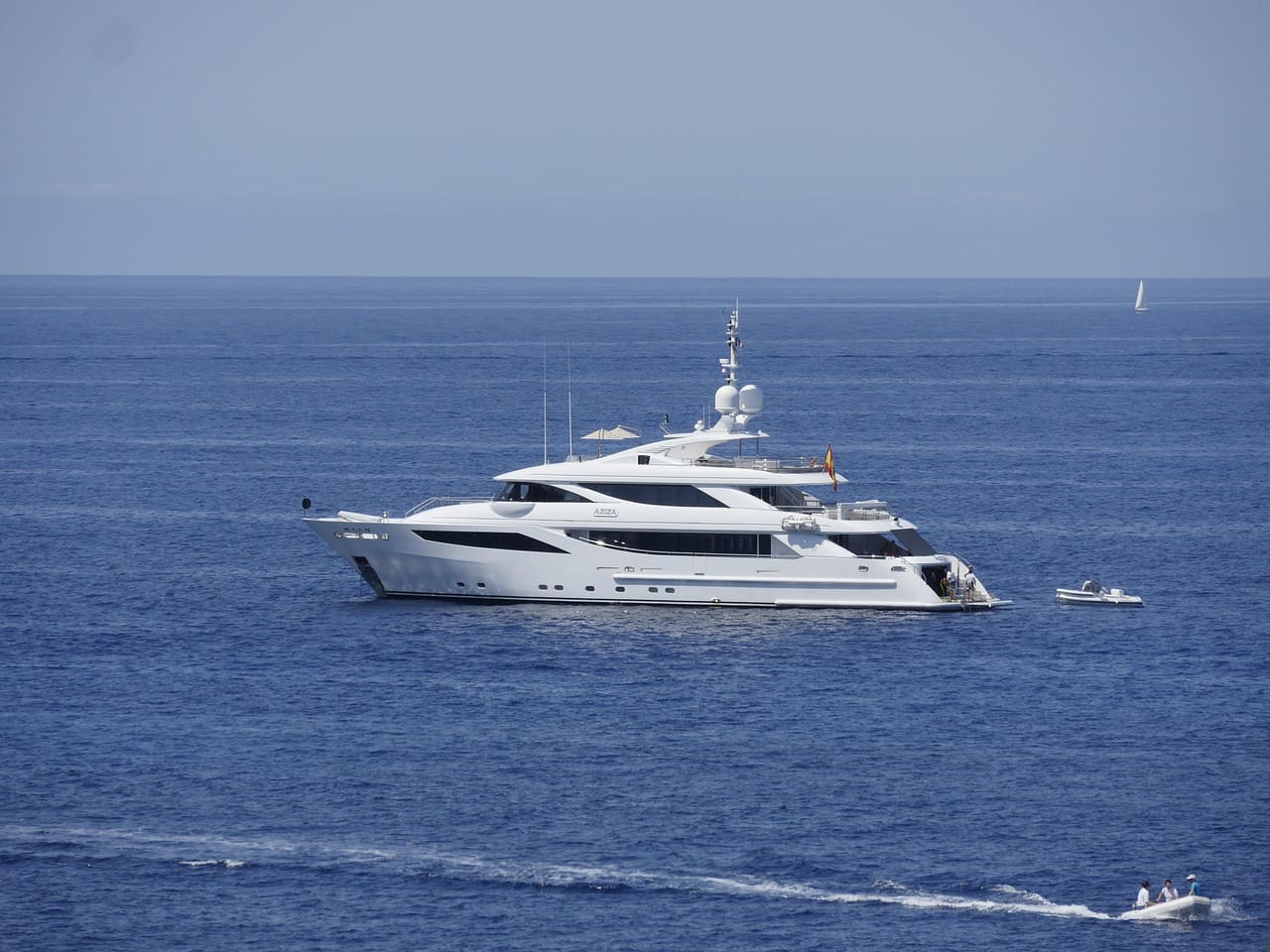
The National Recovery Plan (KPO) was meant to support Poland’s post-pandemic development, but recent reports show that billions of zlotys went to luxury projects such as yachts, houseboats and jacuzzis. A growing number of leaked details is fuelling outrage among internet users and experts.
What is the HoReCa programme?
HoReCa is short for hotels, restaurants and catering/cafés (Polish: hotelarstwo, restauracje oraz catering/kawiarnie; English: Hotel, Restaurant, Catering/Café). It covers the entire food service and hospitality sector: restaurants, hotels, guesthouses, bars, catering companies, food trucks and holiday resorts. The HoReCa programme under the KPO was created to protect businesses in these industries from the economic consequences of the post-pandemic crisis, enabling them to obtain grants for, among other things, modernisation, investment in new products or services, and eco-friendly solutions. The support is aimed at micro, small and medium-sized enterprises that suffered significant financial losses in 2020–2021.
The KPO was meant to support development – did it go on luxuries?
In principle, the National Recovery Plan was to finance the modernisation of hospitals, schools and infrastructure. Yet the list of co-funded projects is startling: KPO funds have been allocated to, among other things, pizzerias, houseboats, VIP-equipped yachts, jacuzzis and coffee machines.
The most common examples of abuse according to the latest sources:
- Funding for luxury yachts and boats for private companies
- Renovations of holiday apartments and hotels instead of social investments
- Purchases of premium equipment – jacuzzis, dance floors, coffee machines
- Grants going to companies linked to politicians or their families
- Fictitious tenders and service contracts, confirmed in European audits and by watchdogs
Sample KPO investments (according to reports and posts on X)
| Project | Description |
|---|---|
| Yachts and houseboats | VIP cabins, dance floor, jacuzzi |
| Pizzerias | Renovations, coffee machines, sunbeds |
| Premium apartments | Modernisation, luxury furnishings |
Political responsibility and social consequences
Prime Minister Donald Tusk, the government and Minister Katarzyna Pełczyńska-Nałęcz approved the allocation of funds, while officials were responsible for selecting the beneficiaries.
In the government, Minister Katarzyna Pełczyńska-Nałęcz is responsible for the overall coordination of the National Recovery Plan, including negotiations with the European Commission, setting the rules for allocating funds, the review process, and oversight of how money is spent on investments and reforms covered by the KPO. Her key duties include ensuring that funds reach strategic sectors – in line with the milestones set out in the agreement with the EU, carrying out reviews and any budget reallocations, finalising applications for further payment tranches, and supervising the transparency and effectiveness of the programmes implemented.
A lack of transparency has become a source of social frustration – instead of development, we have chaos and growing suspicions of corruption.
Public voices on X (formerly Twitter)
Under the hashtag #kpo, hundreds of thousands of posts have appeared, featuring specific examples, amounts and dates of grants awarded.
The KPO scandal shows how easily public money can end up in controversial projects instead of genuinely supporting development. The HoReCa programme was meant to lift Polish gastronomy and hospitality to a higher level – today it requires real oversight, audits and honest accountability to restore public trust and the purpose of the KPO.



Komentarze (1)