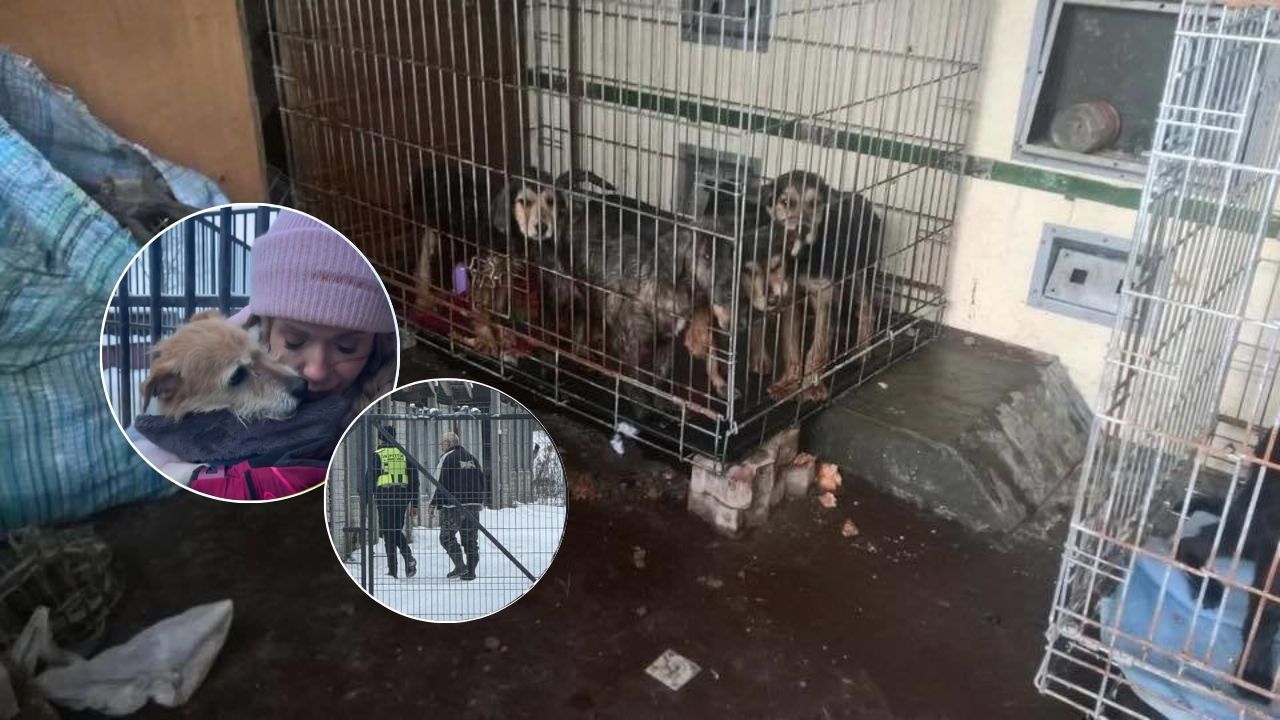
Homeless animals in Poland are not only a drama of dogs and cats, but also a profitable business that according to Doda lives out of their suffering. The so-called pato shelters, where invoices from the municipality, rather than animal welfare, are increasingly spoken of.
Adds to pathology in shelters

Add For several weeks it has been announcing the pathology in parts of Polish shelters, especially private ones, operating on municipal contracts. It indicates a lack of water, food, heated building and basic veterinary care, even though local governments pay for the "maintenance" of each animal. In one of the programs, the artist simply says that animal homelessness has become a "great business" on which people earn money without real state control.
"At least 15 Pato-Hostels"

Adds estimates that in Poland at least several pato shelterswhere basic standards are systematically broken. It indicates a lack of regular unannounced checks, sweeping cases under the carpet and local arrangements to make it difficult to respond to complaints from volunteers.
How business works on animal homelessness
The problem is not one city – it is the effect of a system of financing animal care. The municipality pays a private shelter a lump sum for each dog or cat, which in the absence of supervision rewards saving on feed, treatment and staff. In practice, the less you spend on an animal, the more it stays in the owner's pocket.
An example pathology chain can look like this:
- the municipality is looking for the cheapest provider of the service,
- private shelter "wins" a dumped price,
- costs of cutting the quality of care,
- animals do not leave boxing for years, are not castrated or treated.
Transports abroad – hope or gray zone
A separate thread is the departure of dogs abroad, which inspires emotions and suspicions. W Ruda Śląska The management of the shelter had to explain the charges of exporting dogs to Germany under bad conditions and without transparent adoption documentation. Similar controversy also appeared in other places where the local community asked who actually took the dogs and under what conditions.
Law Behind Reality
The "Stop Chains, pseudo-breeding and animal homelessness" project showed that there is a social agreement to tighten the rules. He assumes, among others, the ban on the sale of puppies by auction portals, the mandatory registration of breeding and the greater responsibility of the organisations that supervise it. It's an attempt to close the gray zone, where thousands of dogs are born later in the shelters.