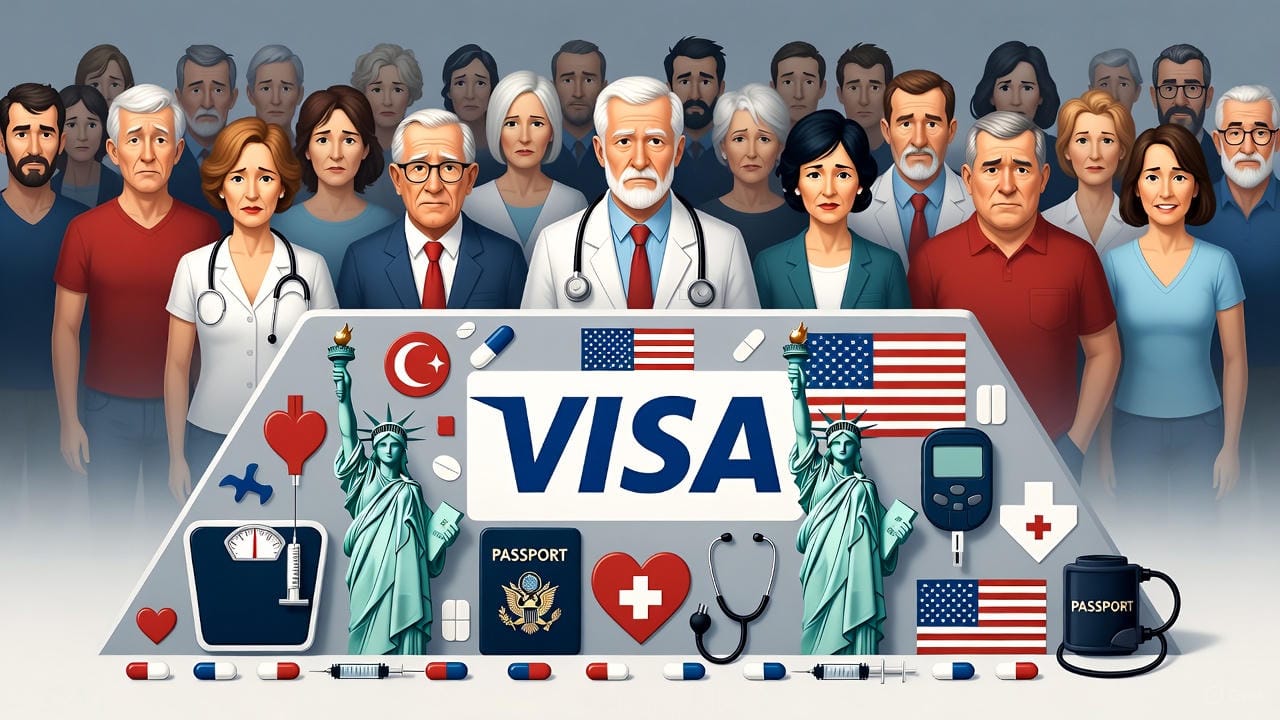
President Donald Trump's administration introduced new visa guidelines that may refuse entry into the United States to people suffering from common diseases such as diabetes or obesity. This controversial decision, announced by the State Department, raises concerns about health discrimination and further tightening immigration policy. Is this the end of the dream of an American dream for millions of people all over the world?
New Guidelines: Health as a Visa Barrier
According to a State Department dispatch of November 6, 2025, Consular officers are now to consider chronic diseases such as obesity, diabetes, cancer, heart disease, respiratory, metabolic, neurological and mental problems as potential grounds for refusing a visa. These conditions are assessed in terms of their impact on the public charge – i.e. the risk of the applicant becoming a burden on the US welfare system, requiring expensive treatment paid from public funds. Obesity, according to Disease Control and Prevention Centres (CDC), increases the risk of hypertension, breathing problems, or gallbladder disease, which can generate costs of hundreds of thousands of dollars.
Secretary of State Marco Rubio stressed that this policy is an extension of the "public charge" rule that has been in place for over 100 years, which prohibits the entry of persons who may become dependent on government aid, such as the Supplemental Security Income or Temporary Assistance for Needy Families. White House spokeswoman Anna Kelly stated: "President Trump's administration finally fully enforces this policy, putting Americans first."
Historical context: From Infectious to Chronic Diseases
So far, medical examinations in the visa process focused mainly on infectious diseases such as tuberculosis, as well as vaccination requirements against smallpox or polio. Applicants also had to reveal a history of addiction or mental problems. The new directive extends this to non-communicational diseases, assessing not only the current state of health but also potential future treatment costs – even for dependants, such as children or older parents. This is a change that, according to experts, can lead to speculative decisions based on prejudice, not medical facts.
The "public charge" rule exists for yearsBut the current interpretation is the sharpest in history. The Trump administration, seeking to reduce immigration, combines this with plans for mass deportations and restrictions for refugees from some countries.

Implications For Applicants: Who Is Threatened?
The new rules will primarily affect people seeking immigration visas, but may also affect some non-immigration visas. People with diabetes – a condition affecting 10% of the world's population – or obesity – can be rejected unless they can prove they can afford private treatment throughout their lives in the US. This is particularly problematic for families with disabled children or older relatives.
Experts warn that consular officers, without medical education, can base decisions on stereotypes, which increases the risk of discrimination. Charles Wheeler of Catholic Legal Immigration Network underlines conflict with existing guidelinesWhich forbid refusals based on hypothetical scenarios.
Reactions and Criticism: Chaos and Discrimination?
The decision was met with harsh criticism. Sarah Krieger of the National Immigration Law Center called her "an unusual and disturbing move," which "seems designed to sow chaos and confusion" and harm the most vulnerable people. Immigration lawyers, like Sophia Genovese of Georgetown University, fear that this implementation will cause problems during consular talks.
On the other hand, supporters, such as State Department spokesman Tommy Pigott, argue that this is the protection of American taxpayers: "It is no secret that Trump administration puts American interests first".
Conclusion: The future of immigration in the USA
The new visa guidelines are another step in tightening up the US immigration policy, which can close doors to millions of people with chronic diseases. Is this a fair tool for protecting resources or a form of discrimination? Time will show how this will affect global mobility and international relations. If you are planning a visa application, check the current requirements on the State Department website – health has become a key factor.