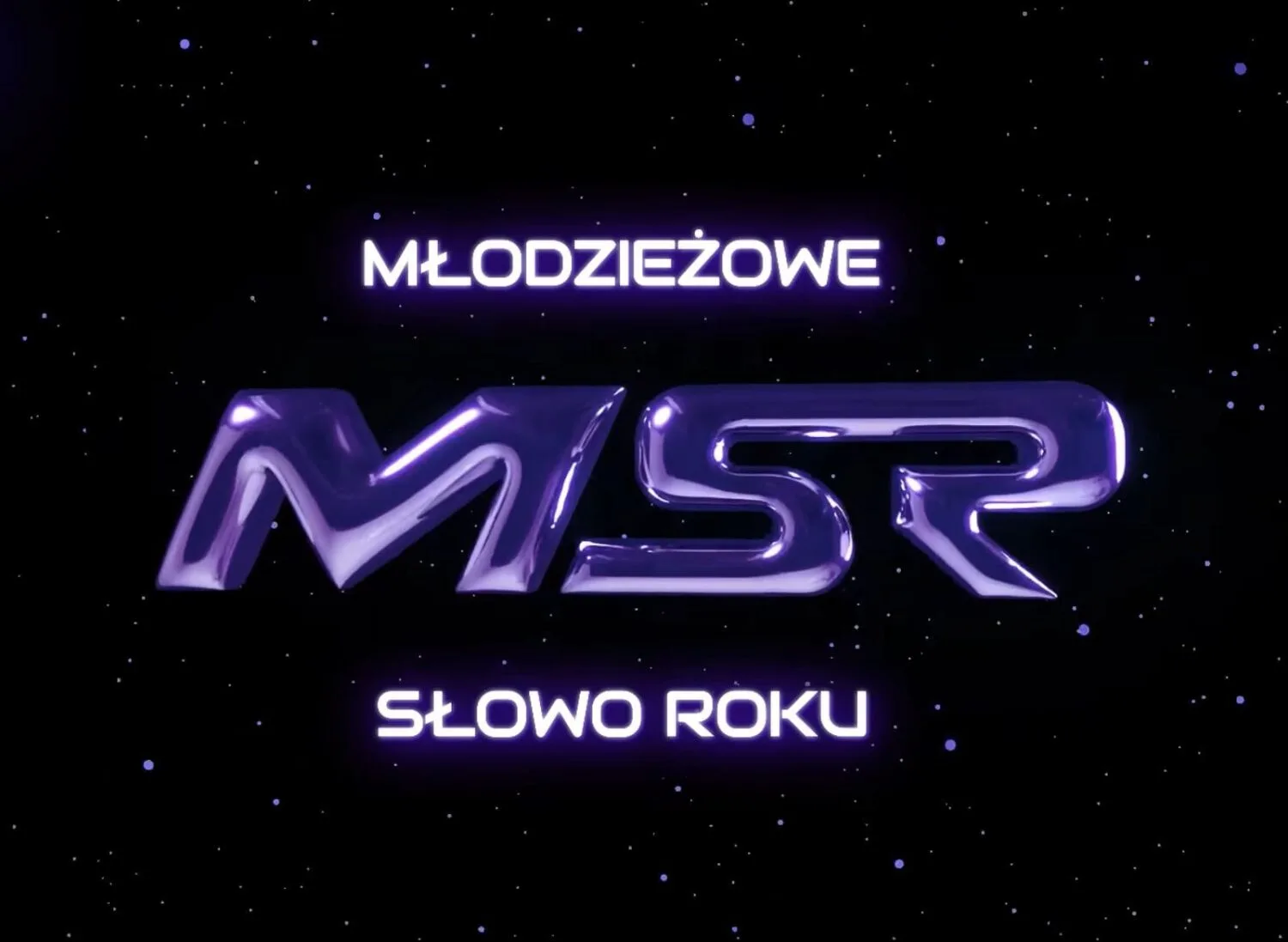
The Youth Word of the Year contest is not just fun, but also a way to document the evolution of language. Previous editions were won by words like “sigma” (2024), “rel” and “dzban”, which have become a permanent part of everyday speech. In 2025, the final list is full of borrowings from English, neologisms from TikTok and funny hybrids that reflect the world of social media, memes and everyday conversations among young people.
Final List of Words – What Do They Mean and Where Did They Come From?
Here is the full list of 15 finalists, arranged alphabetically, with definitions and usage examples. Each word was selected based on the popularity of submissions and compliance with the contest rules. Check how many of them you already know!
- 6 7 (six seven) – a numerical idiom popular on TikTok, meaning excitement, weirdness or something “out there”. Example: “This video is totally 6 7!”
- brainrot – a state of being overloaded with internet content; “brain rot” from watching memes and viral videos. Example: “I have brainrot after a whole day on TikTok.”
- bro – short for “brother”, meaning simply “mate” or “buddy”. Example: “Hey bro, what’s up?”
- fr – from English “for real” – really, seriously; often used as a confirmation in conversations. Example: “Fr? I can’t believe it!”
- freaky – something strange, eccentric, going beyond the norm; used both positively and ironically. Example: “This outfit is freaky, but I like it.”
- GOAT – “Greatest Of All Time” – someone absolutely the best, an icon, a role model. Example: “Messi is the GOAT of football.”
- klasa – an expression of approval and praise. “To jest klasa!” means roughly “excellent”, “superb”. Example: “Your drawing is pure class!”
- lowkey – quietly, discreetly, without fuss; a borrowing from English. Example: “Lowkey, I like this series.”
- OKPA – a new form of goodbye, combining “OK” and “pa” (a colloquial “bye”); a funny, ironic phrase. Example: “OKPA, see you tomorrow!”
- skibidi – an absurd, catchy word from TikTok; hard to define, but young people know when to use it. It can mean something cool, weird or bad, or be used with no specific meaning. Example: “This is skibidi level!”
- slay – to look amazing, to do something brilliantly, to “nail it”. Example: “Slay queen, this dress is divine!”
- szacun – recognition, respect, often used on its own: “Szacun za to!” (Respect for that!). Example: “Respect for helping out!”
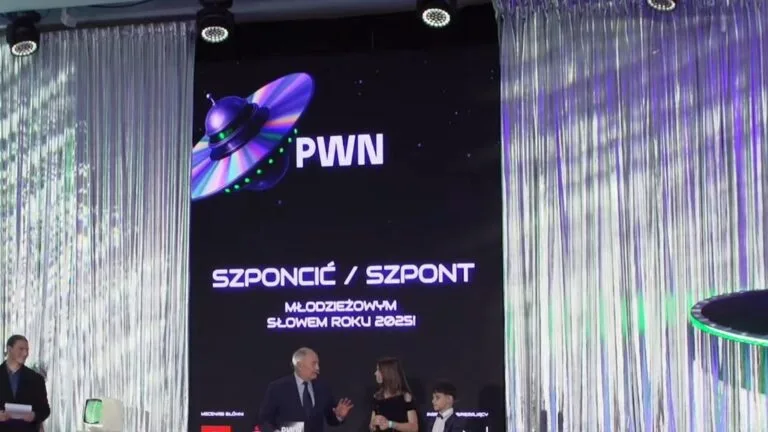
- szponcić / szpont – to goof around, to do something stylish or overdone; a neologism with plenty of humour. Example: “Stop goofing around, everyone is watching!”
- tuff – something stylish, impressive, strong in its look (from English “tough”). Example: “These shoes are tuff!”
- twin – someone who is very similar to us – mentally, visually or in life; a twin vibe. Example: “We’re twins, we think alike!”
Youth Word of the Year 2025. We know the final list! We know what …
These words show how young people’s language mixes English borrowings with Polish neologisms, often inspired by platforms such as TikTok or Instagram. The jury stresses that the contest does not judge linguistic “correctness”, but creativity and popularity.
How and Where to Vote?
Voting is simple and open to everyone – not just young people! Go to the official contest website at https://sjp.pwn.pl/msr, choose your favourite word from the list and cast your vote. You can vote once a day, and the results will be announced on 8 December 2025. Don’t wait – your vote could decide the winner!
If you follow language trends, this contest is a must. Share in the comments which word is your favourite – maybe “skibidi” or “slay”? Vote and be part of the 2025 language revolution!