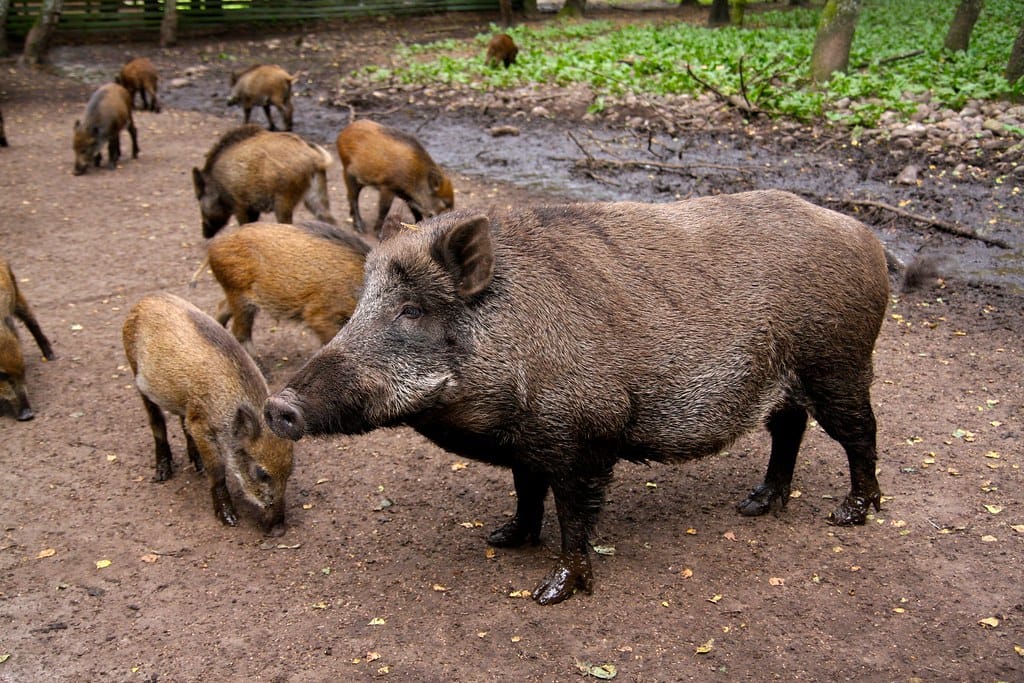
The farmer from Pomerania hoped for compensation covering thousands of gold losses. He got... 47 zł! The hosts speak more and more about the absurdity of the system and fight for justice.
Compensation
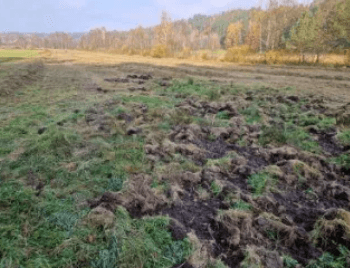
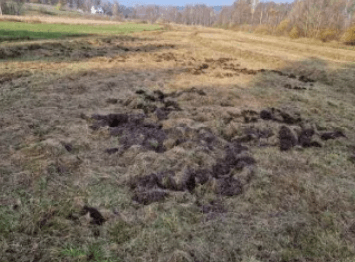
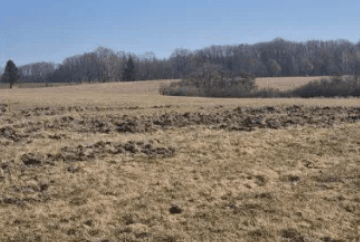
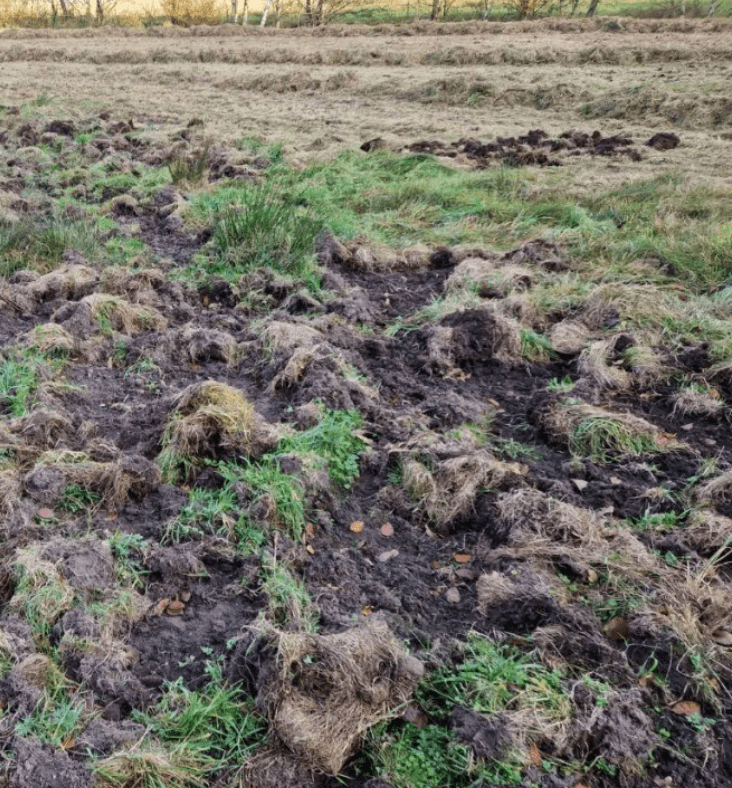
Farmers are increasingly vulnerable to low compensation for damage caused by wild animals. Things can be scandalous – from the valuation of losses in thousands to symbolic transfers to several dozen zlotys.
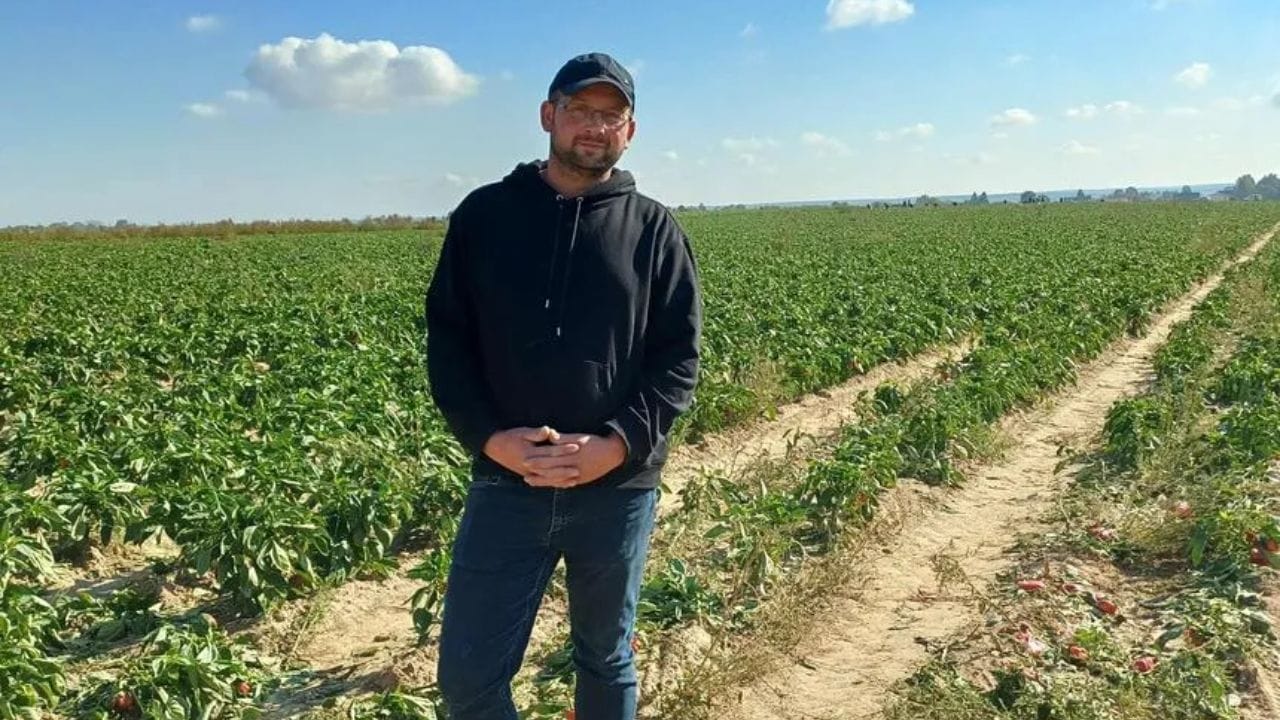
- Jan Smentoch He's been fighting a hunting wheel for years. For a hectare of meadow destroyed by the wild, he was offered 47 zł, while experts valued the damage at PLN 2100.
- Peter Krefta He had to drag credit for PLN 150 thousand'Cause the wild boar destroyed him. 13 hectares Uses - compensation was a fraction of real losses.
- "For damage on the hectare plot, forestry wanted to pay PLN 47.00. The company valued it at PLN 2 100. Hunters found that between wild boar holes I could still grow a field. This is absurd." – Jan Smentoch
- "I can't have animals because I don't have feed. Of the eight meadows practically every one was already destroyed." – Jan Smentoch
- "We report damage by registered letter, the wheel has 14 days to receive and then 7 days to respect. It's 21 days and the grass is growing, and the damage is harder to prove." Peter the Bird
- "Then they offer me 200 or 400 PLN per hectare meadow, where you need to complete the renovation. That's ridiculous money." Peter the Bird
- "And I ask, What shall I feed 400 sheep by winter?" – Piotr Krefta
- "Paste from my own farm would cost me PLN 50,000. Now I'm paying twice as much, and there's also interest on credit. It's a whole year of back work." – Piotr Krefta
- "The wild feed on our land. The hunters have it from the state and make money from it. At whose expense? Ours." – Piotr Krefta
Representatives of institutions
- "We are always on the side of farmers, but we are not a legislator. The obligation to estimate damage rests on the hunting wheel. We offer legal assistance, advice and participation of representatives in committees." – Wiesław Burzyński, President of the Pomeranian Agricultural Chamber
- "System solutions are still missing. Hunters sometimes make things worse by avoiding talking to farmers. I regret that the conflict between farmers and hunters still exists." – Wiesław Burzyński
Difficulty in measuring damage
- Hunters often underestimate boar numbers, and sanitation acts as an incentive to maintain the population.
- Compensation is calculated according to defective, outdated criteria.
- Things go on for months and the host stays with debts or resigns from breeding.
More and more farmers are assisted by independent experts and are bringing cases to court.
Farming chambers organizations offer advice but are unable to change regulations or force hunting circles to fairly estimate damage.
Farmers are increasingly forced to enlist loans instead of receiving damages due for losses. Instead of real and rapid compensation, farms are experiencing financial collapses, supporting current operations with liquidity loans, and some farmers are even threatened by bankruptcy.
New wave of cheap loans as "help"
- The government launches preferential trading credits with a repayment guarantee, available from October 2025 r. to enable farmers to survive the difficult situation due to low buying prices and poor compensation support.
- Interest rate on these loans — in the first two years no higher than 1,5%, and the maximum amount is up to EUR 200 000, but it is still debt rather than real non-refundable aid.
The voice of farmers
Many farmers argue that credit is not a solution if someone has suffered 100% losses due to natural disasters or hunting damage – quick and real compensation payments and direct financial assistance are needed.
Farmers' representatives compare the situation to post-flood measures, where ad hoc payments were the priority, not lending the continued operation of farms.
‘There can be no preferential loans. Farmers who have lost everything will not risk taking credit. The need for quick and real financial actions" - comments Grzegorz Cichy, a farmer and a social worker from Małopolska.