The Buenos Aires police entered the Santa María Clinic in search of a 12-year rape victim. Instead of helping, officers came across a frightening sight: eight human fetuses in garbage bags.
Shocking discovery at Santa María Clinic
Under the cover of a religious institution called "The Clinic of Santa María" – this is where at Villa Ballester doctor Damian Levy performs abortion procedures on behalf of the Cigesar Foundation. There were bodies of several dismembered children.
The Argentine police raided the clinic in search of a 12-year rape victim. But what they found there was even scarier.
Eight human fetuses. In garbage bags.
Fertilizers, some in 7–8 months of pregnancy, were marked as pathological waste at the Santa María Clinic in Buenos Aires.
The raid began as a search for a child who fell victim to human trafficking, originating in Santiago del Estero.
It has now expanded into a full investigation into illegal adoption, human trafficking networks and what actually happened in this clinic.
Source: Infobae
The Argentine police acted quickly. On 29 April 2026 they entered Clínica Santa María In Balvanera district, to protect a 12-year-old girl raped by her stepfather. The girl was 25 weeks pregnant and needed an abortion.
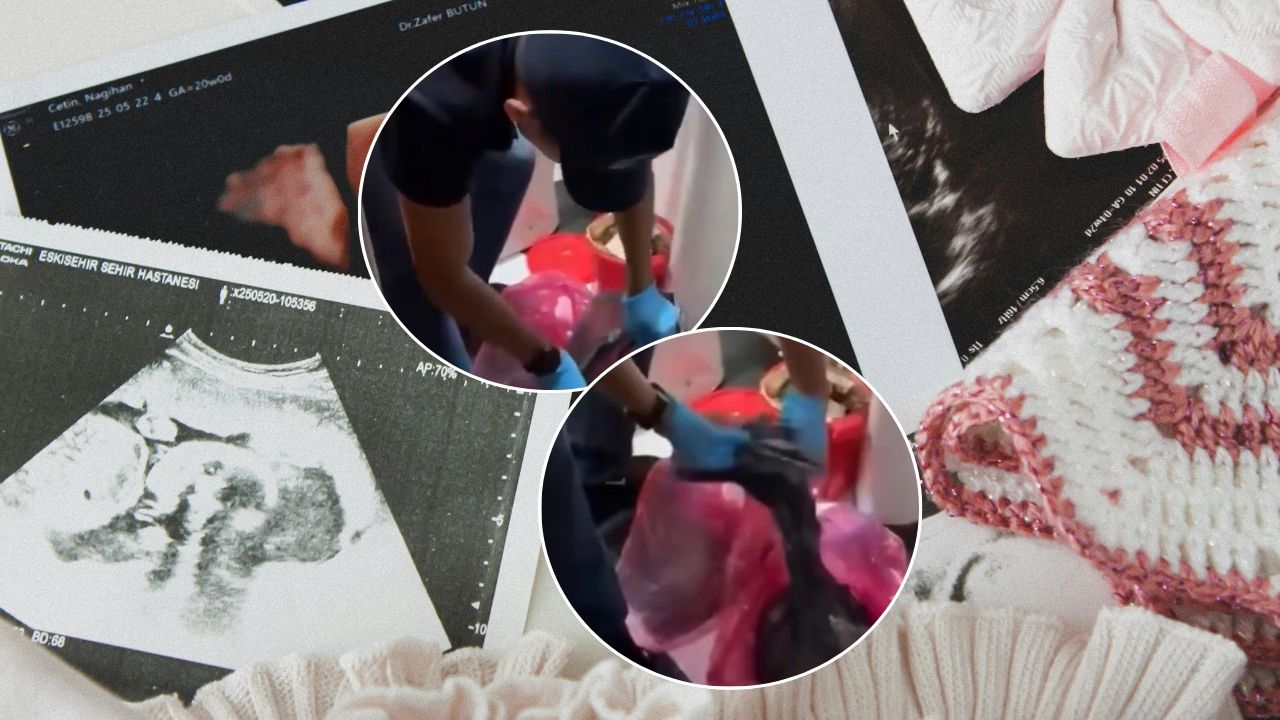
But what they found in the freezer was beyond their imagination. Eight fetuses – some in 7-8 months of development – lay in black foil bags. The clinic labeled them as "pathological waste", ready to be disposed of like ordinary garbage.
What do the authorities say?
The DA immediately stepped in. The clinic was closed and staff – including gynecologist Marcelo Nicolás Luna – arrested on charges of illegal abortion and improper storage of remains.
According to Clarín (1 May 2026), studies have confirmed that the foetuses came from various pregnancies, including advanced. This is not the first scandal in Argentine private clinics.
Ethical dilemmas and broader context
This case shows the weaknesses of Argentine abortion law – legal, but without strict private control.
The Ministry of Health announced reforms. The case could change the debates on abortion in the region.