Tragedy in New York: A man died after a metal chain pulled him into an MRI machine
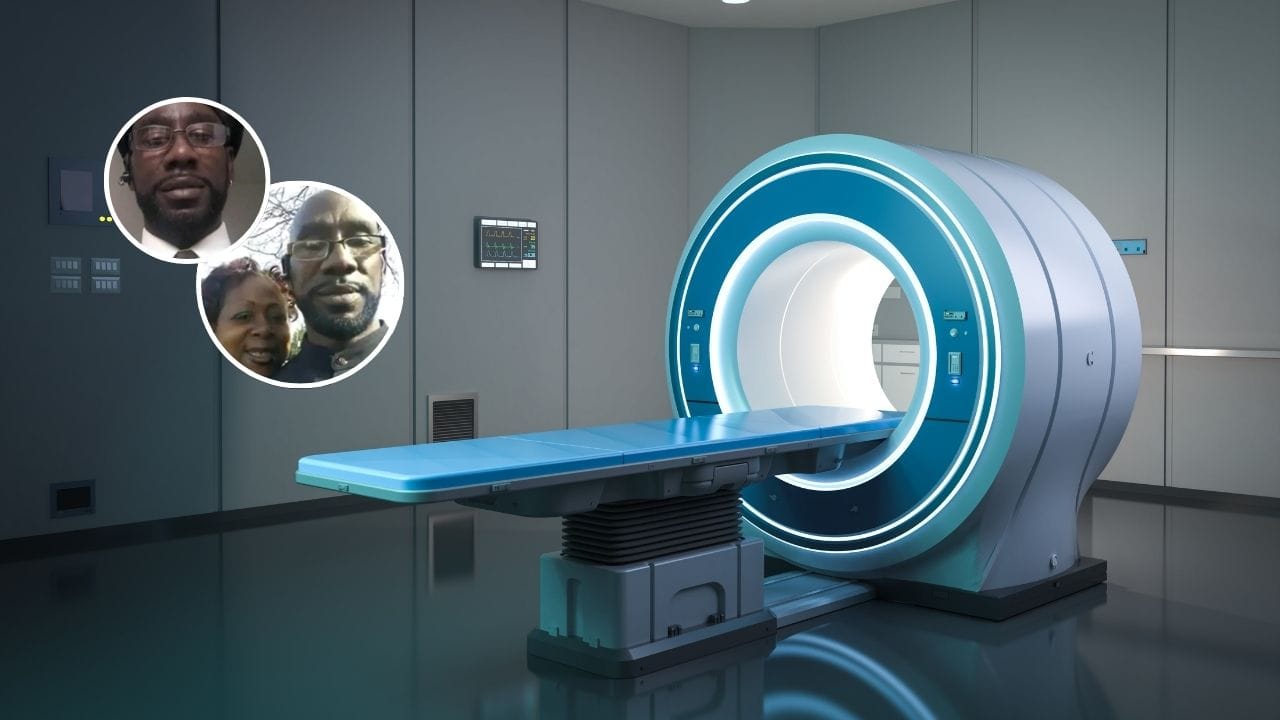
A 61-year-old man, Keith McAllister, died after he was sucked into an active MRI machine in Nassau Open MRI in Westbury, New York on July 16. McAllister, who accompanied his wife during the examination, entered the MRI room without permission, wearing a 9 kg metal chain used for strength training. The powerful magnetic field of the machine attracted the chain, rapidly pulling it into the scanner and causing fatal injuries. He was hospitalized in critical condition and died the next day. Authorities have confirmed the lack of intent to commit the crime and treat the incident as a tragic accident. This case highlights the key importance of strict MRI security protocols
The accident occurred at Nassau Open MRI studio in Westbury, New York. 61-year-old Keith McAllister He appeared there with his wife, who had a knee resonance. When asked for help getting up after the test, he entered the MRI room, not taking off as much as 9kg (!) a metal chain he used every day for strength training. The machine was still on. Immediately after crossing the threshold, a strong magnetic field attracted the necklace, rapidly dragging McAllister inside and causing numerous injuries, including cardiac arrest. Despite an attempt to help quickly from both his wife and MRI technicians, a man died the following day in hospital.
Drama with the eyes of a loved one
🚨 BREAKING NEWS: The wife of the man who tragically died after being pulled into an MRI machine says he was wearing a 20-pound chain with a lock. Keith McAllister’s wife said she requested assistance after an MRI on her knee. "He Went Limp in My Arms."
The victim's wife reported seeing the whole incident—the moment Keith was attracted, "the whole body immediately relaxes". She and her staff tried to get him off the device, screaming to turn off the machine and call 911.. Unfortunately, injuries (of which multiple heart attacks) proved fatal.
Why is metal in magnetic resonance so dangerous?
Magnetic resonance produces a field with a force of up to 1,5–3 Tesla, which is over 60,000 times stronger than the magnetic field of the Earth..
Ferromagnetics (e.g. iron, steel, nickel) are immediately attracted to the centre of the magnet; each larger object turns into a potential projectile.
Even small metal elements (e.g. buckles, slides, coins) can cause damage or burns.
Metal objects can interfere with the operation of the machine and significantly affect the quality of the diagnostic image obtained.
Cases of similar incidents
Although such a tragic accident is rare, the medical world knows similar stories:
In 2001 in New York City, a child was killed when an oxygen tank was drawn inside the magnetic resonance.
In India, the patient died after a bottle of metal fluid was too close to the magnetic resonance machine.
There are also cases of burns (e.g. by metal elements in clothing).
Magnetic resonance uses an extremely strong magnetic field, even 60,000 times stronger than the Earth's field. In addition to creating detailed tissue images, each larger metal object (especially iron or steel) becomes a potential "missile", immediately attracted to the inside of the device.
Quotes of experts
"Such a chain in an MRI field acts like a torpedo trying to get inside a magnet," says Charles Winterfeldt, Head of Image Diagnostics at North Shore University Hospital.
"Even if something seems harmless, it's always better to ask the technician and follow the guidelines, because the consequences can be catastrophic," says Dr. Payal Sud, radiologist.
Before entering the MRI lab, remove:
Jewelry (chains, earrings, watches, rings)
Glasses, hearing aids, payment cards, strips with metal buckles
Electronic devices and keys
Exception: some implants made of non-magnetic materials can be allowed, but this always requires consultation with the staff.
Remember: If you have any doubts about the metal near the magnetic resonance machine, always ask medical personnel!
Kamila Banasik - editor of DigitalNexus.pl. She's passionate about reliable information and a creative reporter. She graduated from the University of Wrocław.
wpDiscuz
Related article for 5 sec.Amazon will release 30,000 office workers by email tomorrow