During long-awaited exhumations in Puźniki, the remains of at least 42 people were found. The discovery sheds new light on the dramatic events of 80 years ago and opens the way to commemorating the victims.
What happened in Puźniki?
❗️🇺🇦 🇵🇱 Ekshumacje w Puźnikach: odkryto szczątki co najmniej 42 osób, w tym kobiet i dzieci
W ukraińskiej wsi Puźniki w obwodzie tarnopolskim odnaleziono fragmenty szkieletów należących do co najmniej 42 osób – kobiet, mężczyzn i dzieci. Ostateczna liczba ofiar, a także ich wiek… pic.twitter.com/smnwEzGwGy
— Dominik Serwacki 🇵🇱 ✍️ 🌍 (@DominikSerwacki) July 21, 2025
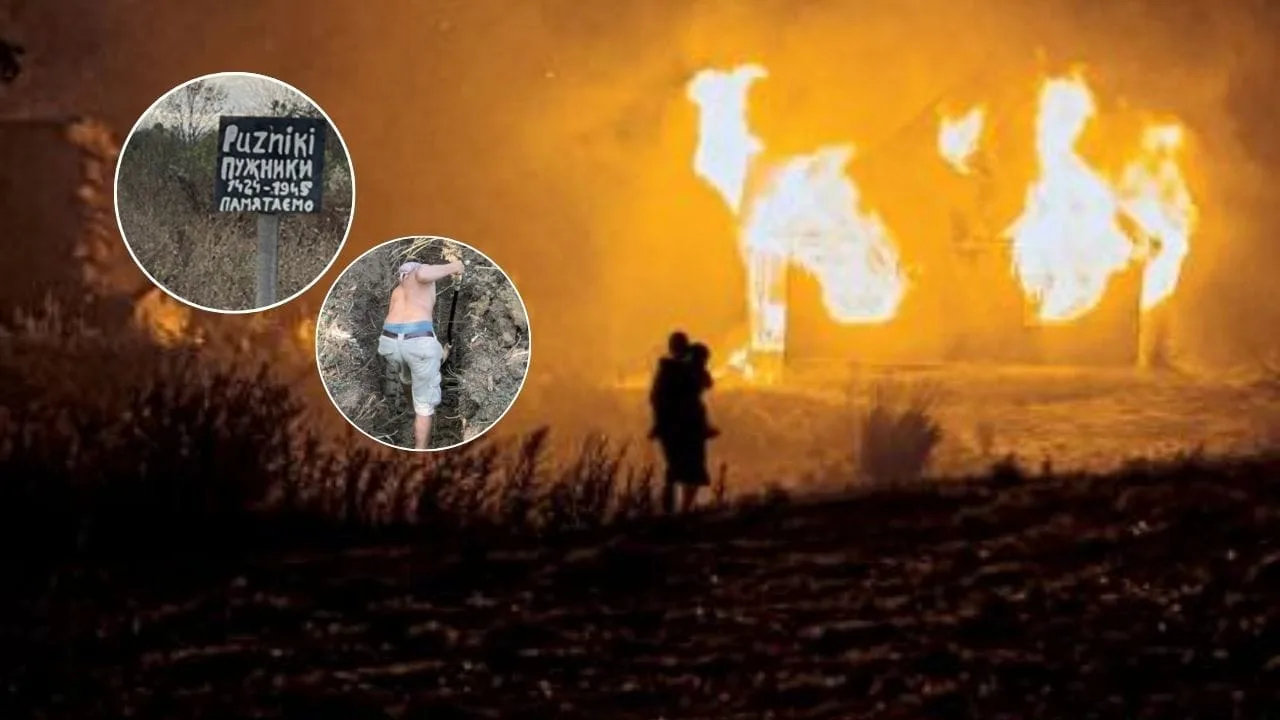
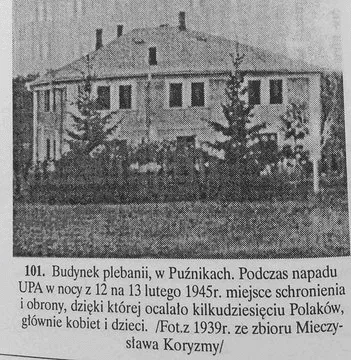
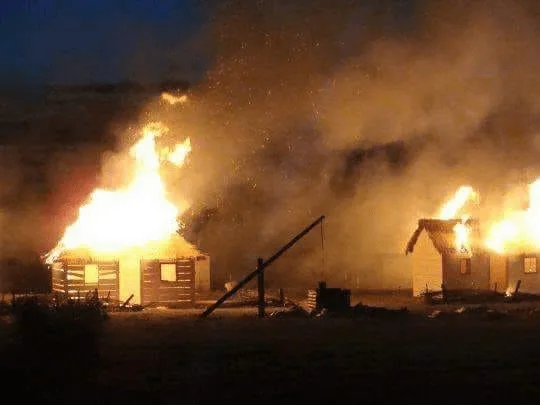
On the night of 12 to 13 February 1945, a unit of the Ukrainian Insurgent Army (UPA) committed a massacre of at least 70 Poles in the village of Puźniki, located in the former Buczacz county in the then Tarnopol Voivodeship. The UPA unit was commanded by Petro Chamczuk “Bystry”, who twice organised murderous raids across the former Tarnopol Voivodeship.
The UPA unit was commanded by Petro Chamczuk “Bystry”, who twice organised murderous raids across the former Tarnopol Voivodeship – Rafał Mosiołek
W nocy z 12 na 13 lutego 1945 r. oddział Ukraińskiej Powstańczej Armii dokonał zbrodni na co najmniej 70 Polakach w miejscowości Puźniki położonej w dawnym powiecie buczackim w ówczesnym województwie tarnopolskim.
Puźniki, a former village now located in the Ternopil Oblast of Ukraine, was the site of one of the most tragic chapters in Polish-Ukrainian history. On the night of 12 to 13 February 1945, a UPA squad carried out a brutal crime against the Polish population. According to various sources, between 50 and as many as 120 people were killed, including women, men and children.
Photo: x.com/Dzigiel1Zbyszek
Course of the exhumations
Photo: x.com/AndyOsa1978
The exhumations in Puźniki began on 24 April 2025, after Ukraine lifted its ban on searching for and recovering the remains of Polish victims of the wars on its territory. The research was carried out by a Polish-Ukrainian team, including experts from the Pomeranian Medical University, the Institute of National Remembrance (IPN), the “Freedom and Democracy” Foundation and Ukrainian archaeologists.
Fundacja Wolność i Demokracja poinformowała, że uzyskała zgodę władz ukraińskich na rozpoczęcie pracarcheologiczno-poszukiwawczych mogiły Polaków zamordowanych przez oddział UPA w lutym 1945 roku w miejscowości Puźniki na Podolu, w dawnym województwie tarnopolskim.
— Волинські старожитності (@Volstaroz) July 10, 2025
Photo: x.com/DominikSerwacki
Cleaning the remains of soil and sediment
Carrying out anthropological and medical analyses
3D scanning of bones
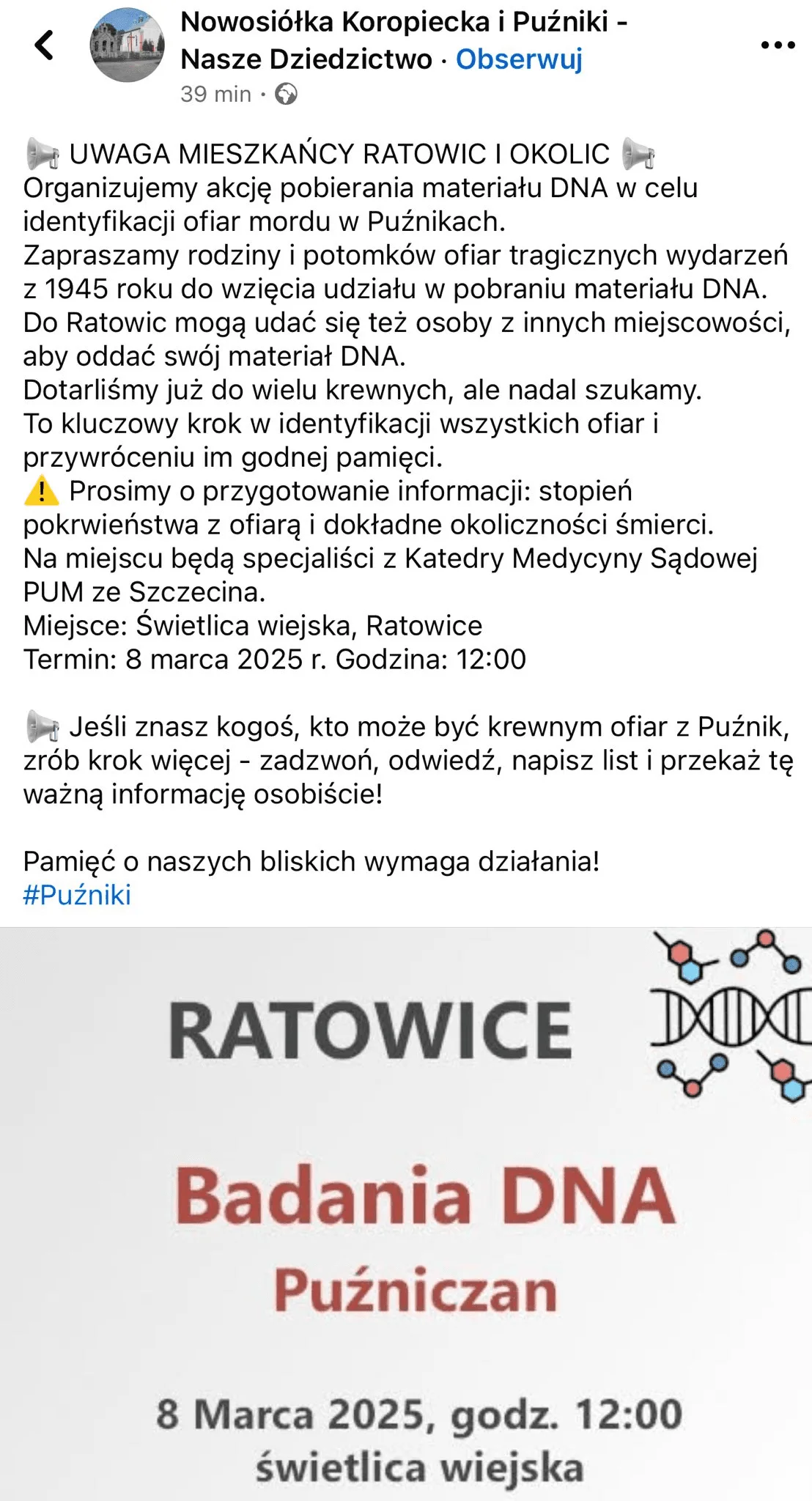
Taking DNA samples for later identification
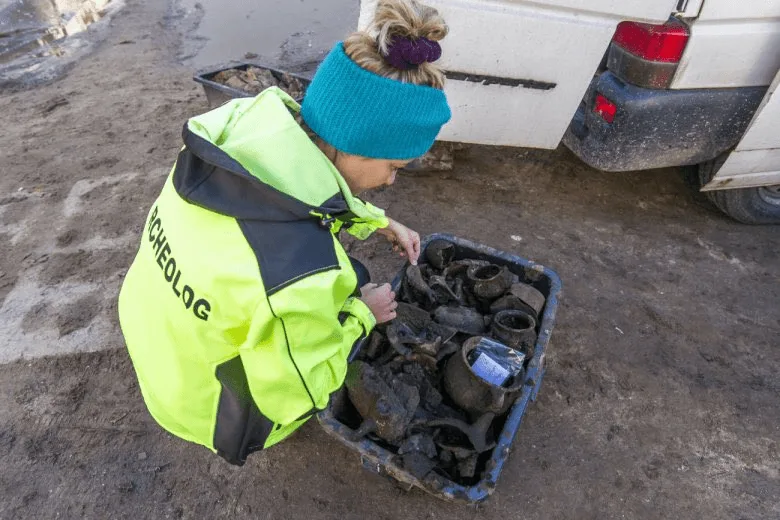
Besides bones, the archaeologists also secured personal artefacts – buttons, fragments of rosaries and medals.
The significance of the discovery for history
x.com/WspolnotaPamiec
The recovered remains and objects are not only evidence – they are also the key to identifying the victims and bringing closure to families who for decades waited for the chance to give their loved ones a dignified burial.
The diversity of the victims
According to preliminary data, the remains found include:
Women
Men
Children (the remains of 11 minors have already been confirmed)
Laboratory tests will make it possible to precisely determine the number of victims as well as their age and sex profiles.
Why are the exhumations in Puźniki groundbreaking?
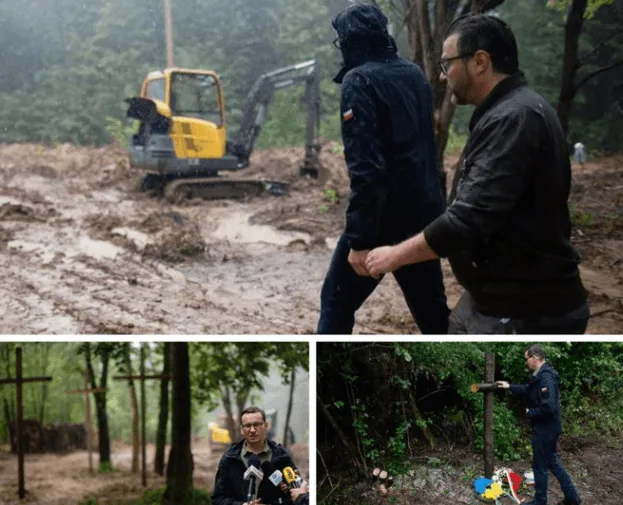
Prime Minister Mateusz Morawiecki Puźniki 2023 | Photo: x.com/Andruszkiewicz1
The latest work in Puźniki was carried out after years of effort and in extremely difficult conditions – both politically and logistically. The site of the former village has become overgrown, the infrastructure has been destroyed, and access is difficult. Yet the determination of the families, the support of the authorities and international cooperation have brought a breakthrough not only for Puźniki, but have also given hope for similar efforts at other places of memory.
According to specialists, this is probably not the end – archaeologists suspect that another mass grave may exist. Every such project is not only about restoring names to the victims, but also a symbolic gesture of reconciliation and truth, essential for building Polish-Ukrainian relations.
Kamila Banasik - redaktorka DigitalNexus.pl. Pasjonatka rzetelnych informacji i kreatywna reporterka. Ukończyła dziennikarstwo na Uniwersytecie Wrocławskim.