

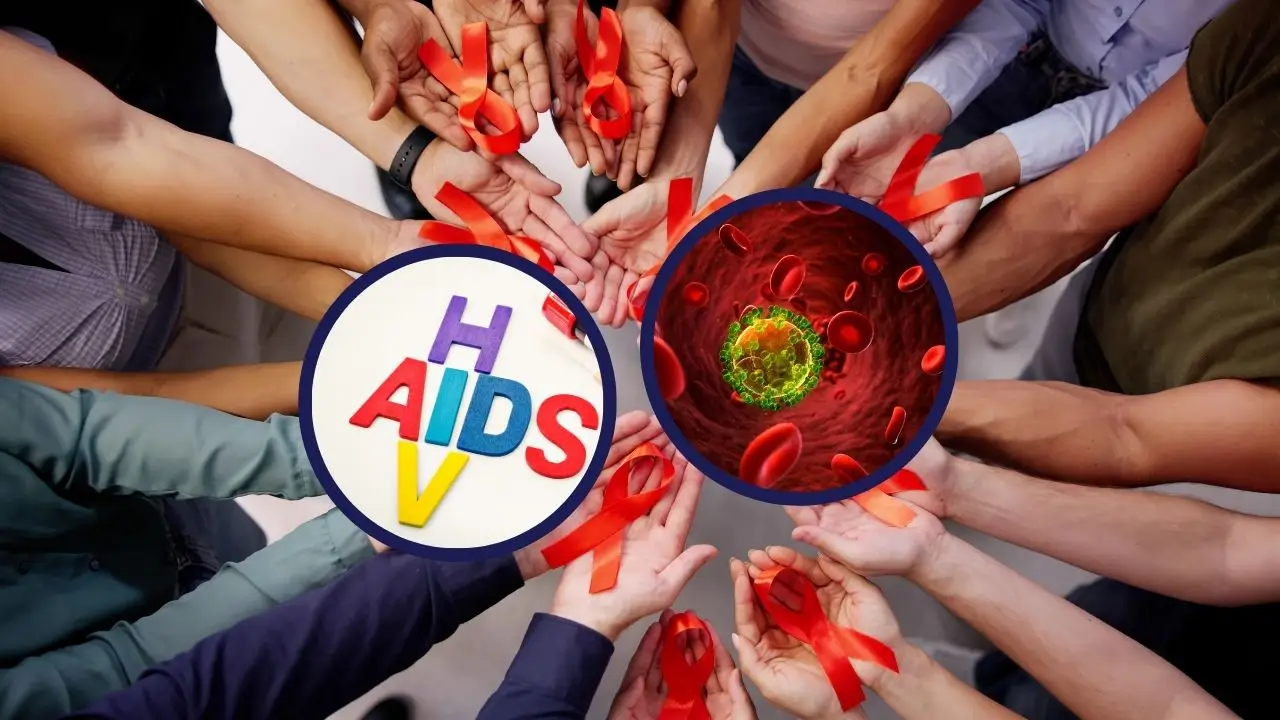
A new HIV vaccine? Not quite, but lenacapavir (Yeztugo) is the biggest breakthrough in HIV prevention in decades. Two injections a year could prevent HIV infection.
What is lenacapavir?
Lenacapavir, sold under the name Yeztugo, is the first HIV drug approved by the US Food and Drug Administration (FDA) that needs to be taken only twice a year to effectively protect against HIV infection. It works very differently from existing therapies, blocking the virus at several stages of its life cycle rather than just one, as most currently available drugs do.
Effectiveness confirmed by research
In two key clinical trials (PURPOSE 1 and 2), lenacapavir achieved results that were hard to imagine just a few years ago:
- PURPOSE 1: Among women in Sub-Saharan Africa and Uganda – 100% effectiveness, zero infections in the group receiving the drug
- PURPOSE 2: Among men, transgender and non-binary people in the USA, South America, Africa and Asia – 99.9% effectiveness, only two infections among more than 2,100 trial participants
These results are better than those for daily PrEP pills (e.g. Truvada), which in the real world are effective only when the patient does not forget their daily dose.
Two shots a year: convenience and a revolution
The greatest advantage of Yeztugo is convenience: instead of a daily pill, just two injections a year are needed. This could be a breakthrough for people who struggle with regularity, live in difficult conditions, or simply do not want to remember their medication every day.
Price is currently the biggest problem
Here is the catch. The annual list price of Yeztugo in the USA is over 28,000 dollars. Meanwhile, experts have calculated that the cost of producing the drug is only 26-40 dollars a year. This gap has sparked strong reactions, both among patient organisations and at the UN.
Gilead, the drug’s manufacturer, has licensed six generic companies to produce cheaper versions for the 120 poorest countries, but middle-income countries (e.g. Brazil, where HIV is a serious problem) are outside this agreement. Until generics appear, Gilead has committed to supplying 2 million doses at production cost.
Who is most affected by HIV?
Nearly 40 million people worldwide live with HIV, and 1.3 million new infections are recorded each year. In the USA, 700 new cases are recorded every week, and the epidemic hits hardest Black and Latino people, gay and bisexual men, transgender women, and sex workers. In these groups, access to HIV protection is often limited by financial, insurance and social barriers.
How will the new drug affect sex workers and the sex industry?
Lenacapavir may especially change the lives of people working in the sex industry, who for years have been among the groups at highest risk of HIV infection. For many of them, taking daily PrEP pills has been a challenge due to irregular lifestyles, stigma, and sometimes simply a lack of access to healthcare. Two shots a year are a huge convenience and a chance for real protection, even when control over working conditions or negotiating condom use with clients is difficult. Research shows that already 40% coverage in this group could significantly reduce new infections, and with wider access the effect would be even greater. However, as always, price and availability will be key, because the revolution in HIV prevention cannot bypass those who need it most.
Yeztugo is the biggest breakthrough in HIV prevention in years: a simple schedule, near-perfect effectiveness and a real chance to curb the epidemic. However, without solving the problem of price and access, the revolution may bypass those who need it most.
Sources:
https://www.unaids.org/en/resources/fact-sheet
https://www.webmd.com/hiv-aids/hiv-aids-in-blacks-alarming-crisis




Komentarze