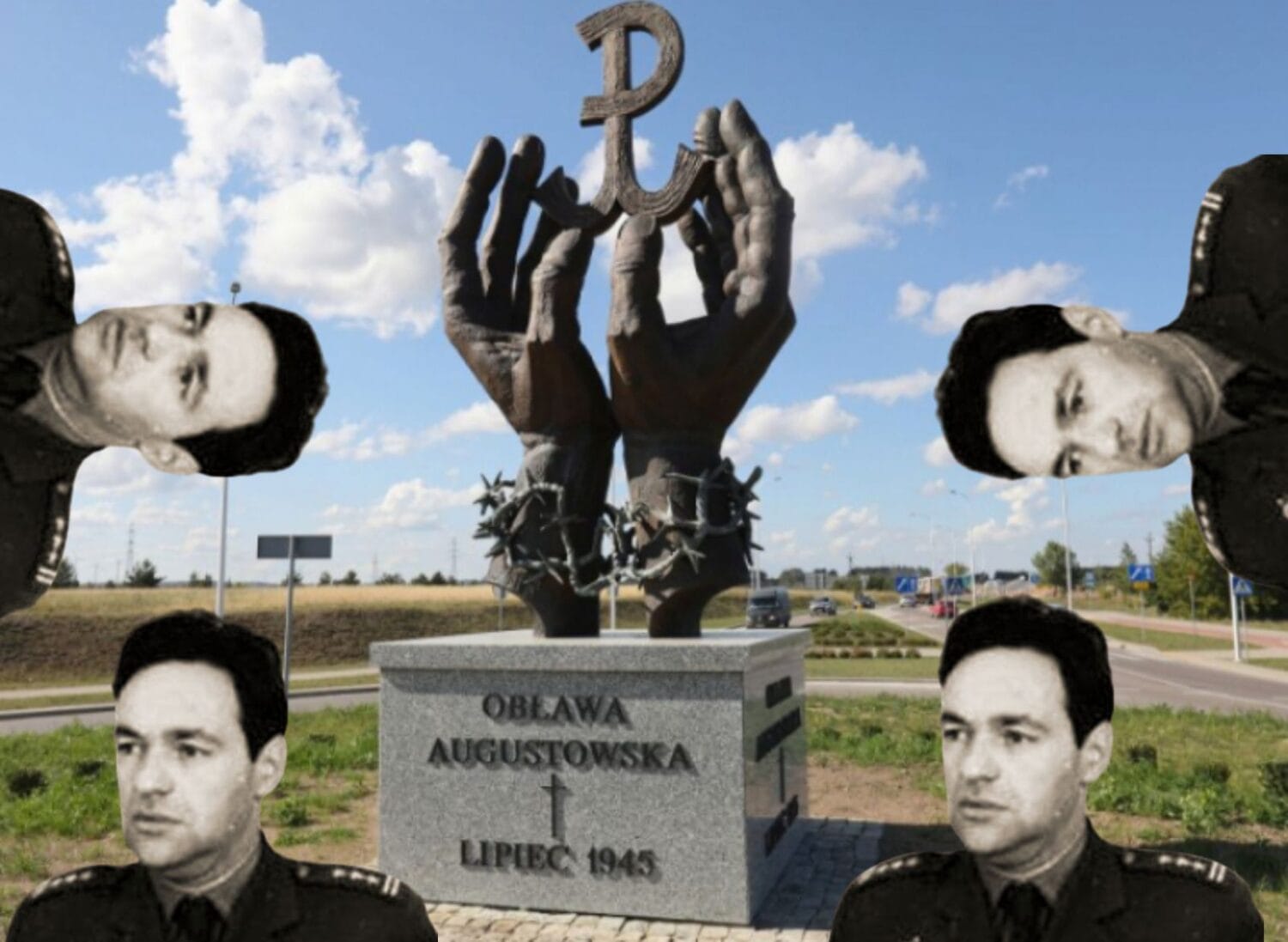
Augustów's siege is one of the most grim events of post-war history of Poland. But even among communist "helpers" – or as Stanowski would have said: "little criminals" – the name Maximilian Sznepf is presented. Schnepf, the hero of our column.
Mysterious Colonel of the Command Period
Maximilian Schnepf was a colonel of the Polish People's Army, a student, military instructor and social activist. It sounds dangerous – and indeed: in July 1945 he served as an auxiliary during the Augustowska Oblast. The documents show that he did not command the entire operation, but was a soldier in the NKVD support units and the Red Army. He helped, and sometimes, as historians and netizens claim, he "helpfully" pursued, interrogated, and conducted filtration of suspects. Military counterintelligence (Death), UB and MO could not do without their native hands, even if they were hands of "helper" and "mini-criminal".
Augustów's Siege – "Little Katyn" of the north
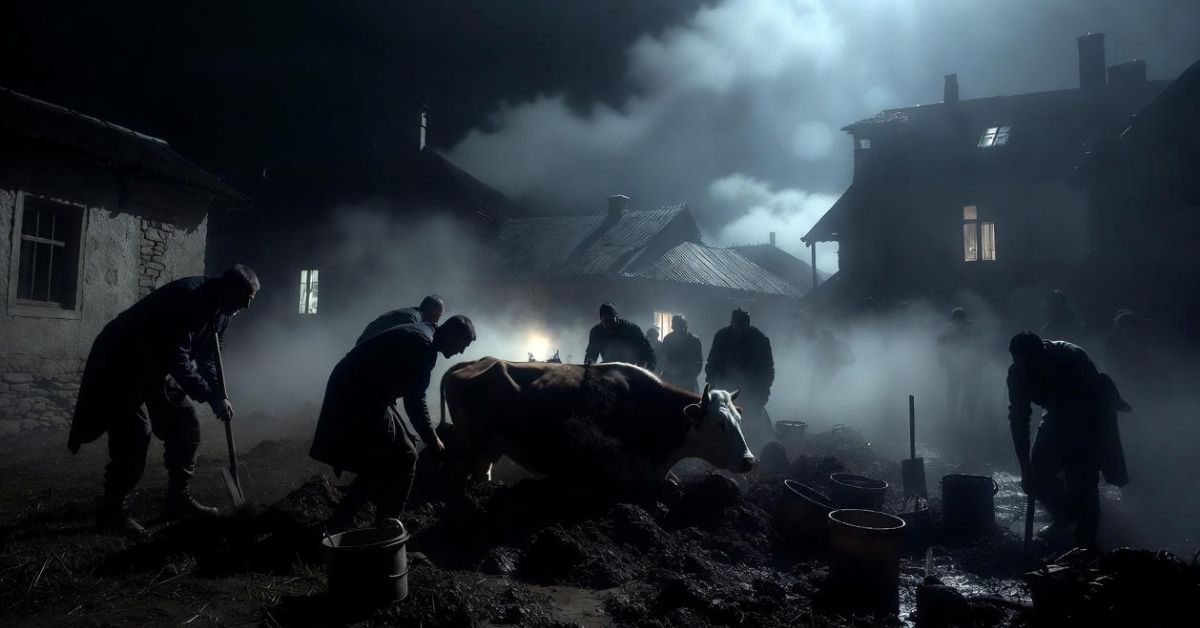
In July 1945, the Soviet 50th Army, the NKVD, the Polish Ubekas and the People's Polish Army attacked Suwałszów and the Augustów Forest. The goal was a brutal pacification of the anti-communist guerrilla and Poles resisting new power. It is estimated that more than 2,000 people were detained; at least 600 were killed or missing without a trace and never returned home. The August raid is an operation known as "Little Katyn" – without trial, without truth, without explanation. Most bodies have not yet been found and the perpetrators remain unpunished.
Was Maximilian Schnepf just a "little criminal" or just a "helper" or a simple cog of communist machinery? It's hard to decide. There is one thing for sure – the story is still chasing the Augustów's oppressors, and the name Schnepf evokes discussions.