
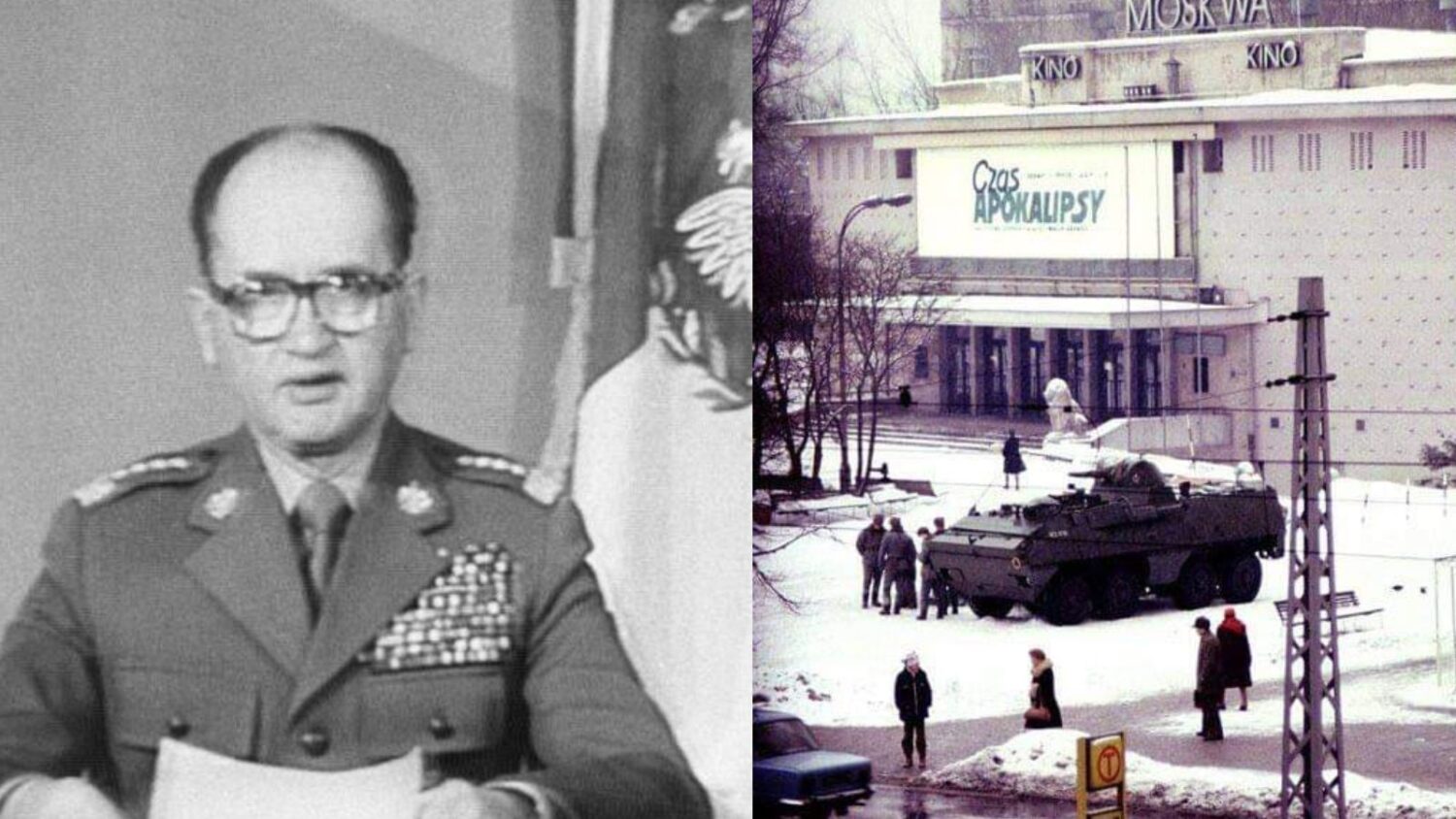
On December 13, 1981, exactly 44 years ago, a martial law was introduced in Poland – an act of desperation of communist authorities of the Polish People's Republic, which was forever enshrined in the memory of the nation as a symbol of repression and struggle for freedom. This decision, taken by the Military National Rescue Council (WRON), led by General Wojciech Jaruzelski, was a response to the growing influence of the Independent Professional Union "Solidarity" and a wave of strikes that threatened the totalitarian system. The martial law continued formally until July 22, 1983, but its effects are still felt today, recalling the price that Poles paid for the pursuit of democracy.
Archived recording
There was an archive recording on which Wojciech Jaruzelski gave a speech to the nation 44 years ago.
How did the Nation handle the State of War?
On the night of 12 to 13 December 1981, security forces began mass arrests. Around 10,000 people were interned, including leaders of "Solidarity" such as Lech Wałęsa. The streets were filled with military and militia, a curfew was introduced, civil rights suspended, and the media were heavily censored. Poles woke up in a reality resembling occupation: lack of telephone communication, prohibition of assembly, confiscation of property and brutal pacification of strikes.
The nation endured this with a mixture of fear, determination and resistance. In the first days, thousands of repressions affected families and many lost their jobs or suffered physical suffering. Symbolic events such as the pacification of the "Uncle" mine in Katowice, where on December 16, 1981, the ZOMO shot nine miners and many injured. Despite terror, an underground resistance was created: flyers were printed, secret meetings were organized and strikes were struck. "Solidarity" went underground and society showed solidarity – food was shared, interns were hidden, and candles were lit in the windows as a sign of protest. As witnesses recall, it was a time of collective trauma, but also of building national identity in opposition to power. Children, as in stories of fear of uniforms on television, grew up in an atmosphere of uncertainty.
The Consequences of War State
The effects were devastating. According to estimates, several dozen to more than a hundred people died during martial law and thousands suffered repression — internment, beating or loss of health. Economically, Poland has plunged into a crisis: supply shortages, hyperinflation and international isolation (US and Western sanctions) accelerated the collapse of the system. The martial law, although suppressed for a moment "Solidarity", paradoxically reinforced social resistance, leading to the Round Table in 1989 and systemic transformation. Long-term, this event has left scars: an epidemic of neurosis, addictions and social divisions, and the lack of a full settlement of perpetrators (like Jaruzelski) is controversial to this day. It was a "war of power with the nation", as the historians say, which ultimately contributed to the end of communism in Central Europe.
How do we celebrate and remember this Yearbook today?
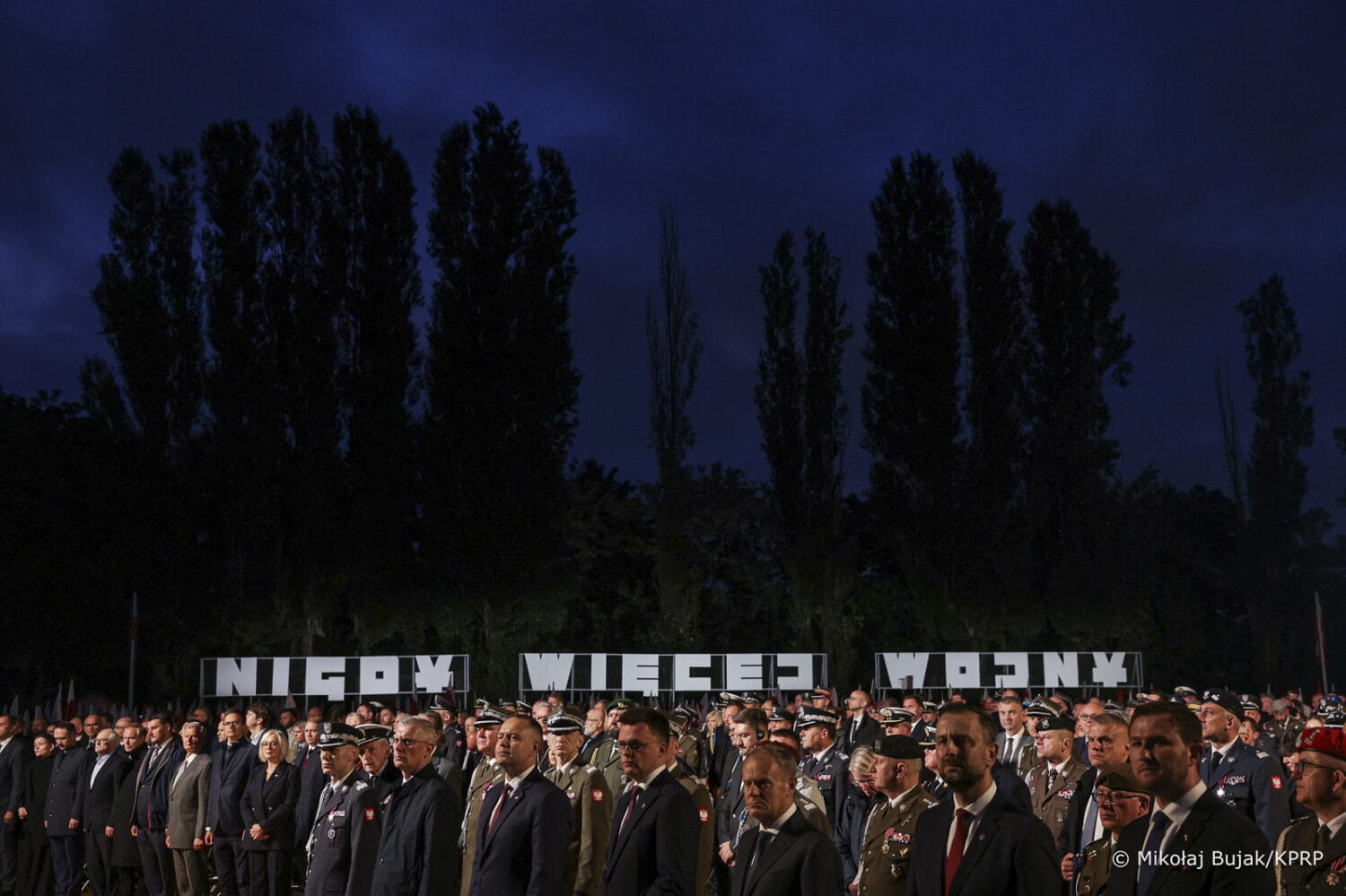
13 December is the Day of Memory of Victims of War in Poland, established by the Polish Sejm. In 2025, on the 44th anniversary, the celebrations are reflective and educational. The Institute of National Memory (IPN) organizes exhibitions such as the "War State 1981–1983" in the Lithuanian Square in Lublin, where generations gather to convey memory to young people. In Warsaw, at 6:30 p.m. at the Pontifical Cross in Piłsudski Square, the ceremony "Filight Light of Freedom" is held – an action initiated by the IPN, in which Poles light candles in windows to commemorate the victims. In cities there are wreaths and local authorities pay tribute to the oppressed.
Today's anniversary is an opportunity to discuss freedom and the rule of law. On social platforms, Poles share personal stories – from memories of fear to calls for the memory of heroes. Organizations like the Community and Memory Association remind of victims, including miners from Uncle. Education plays a key role: schools and the media resemble the fact that the young generation understands the price of democracy. Despite the passage of years, the anniversary awakens emotions – for some a symbol of resistance, for others a warning against authoritarianism.
The martial law remains a dark lesson in history. Remembering him, Poles worship victims and celebrate the freedom they have won.

Article generated by AI.
Edited by AI. Any facts disagree? 🤔