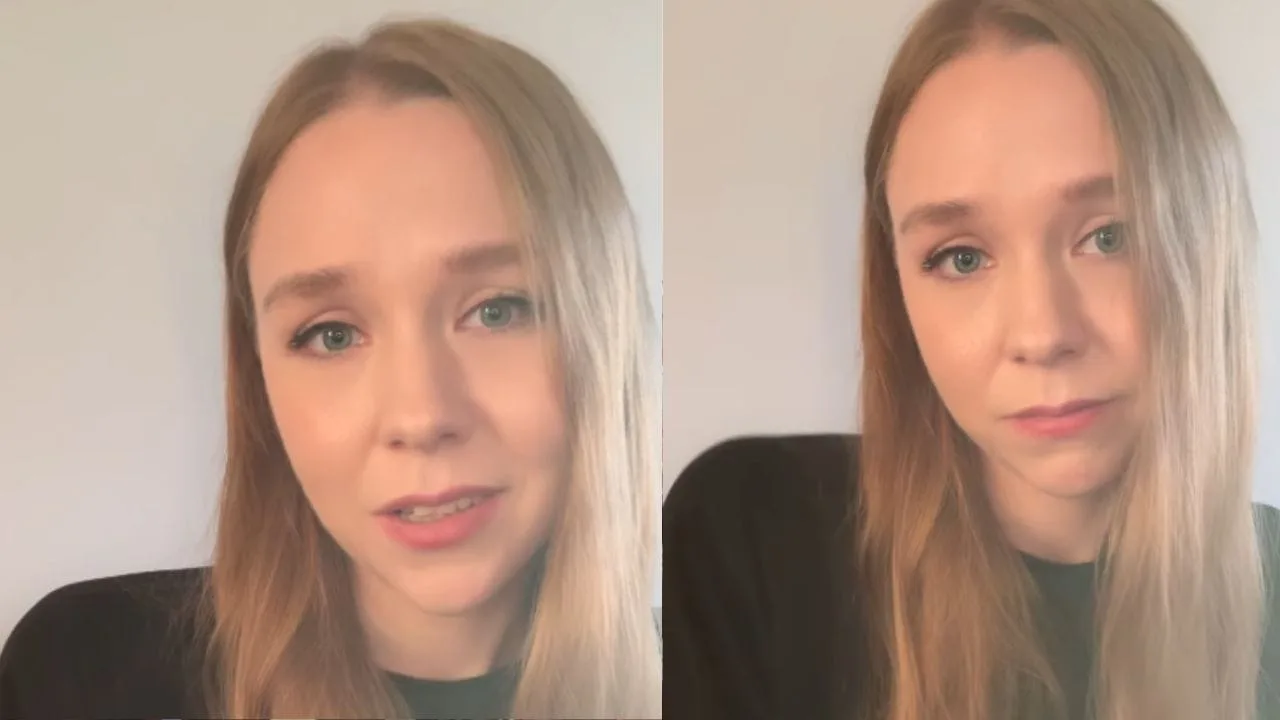
Maja Staśko, popular activist and author, was forced to cancel a planned book signing due to a real threat from a stalker.
A Threat That Crosses the Boundaries of the Internet
Maja Staśko has for years spoken publicly about hate and cyberbullying, but this time the unease has become physically tangible. As she said on her social media, direct threats from a stalker appeared, which forced her to cancel the book signing in order to ensure her own safety and the comfort of the event’s participants.
This situation is not isolated – stalkers increasingly move their activity from the virtual world into the real lives of public figures, trying to affect their everyday functioning.
Why Stalkers Are Becoming More Dangerous
Stalking is not just offensive messages online. Increasingly, stalkers:
- attempt physical contact
- appear at public events
- threaten real attacks, including against other event participants
- use social media to spread disinformation
Such actions have real consequences – not only psychological, but also logistical, such as the need to cancel important events or change the schedules of public appearances.
How the Community and Book Signing Participants React
Maja Staśko’s cancelled event immediately resonated within the literary community and among the author’s supporters. The comments under the posts are dominated by support and understanding. This points to growing awareness of the dangers posed by hate and harassment, as well as a sense of solidarity with public figures who increasingly have to face similar problems.
Event organizers are increasingly forced to:
- invest in private security firms
- implement additional security procedures
- react quickly to signals from artists and guests