

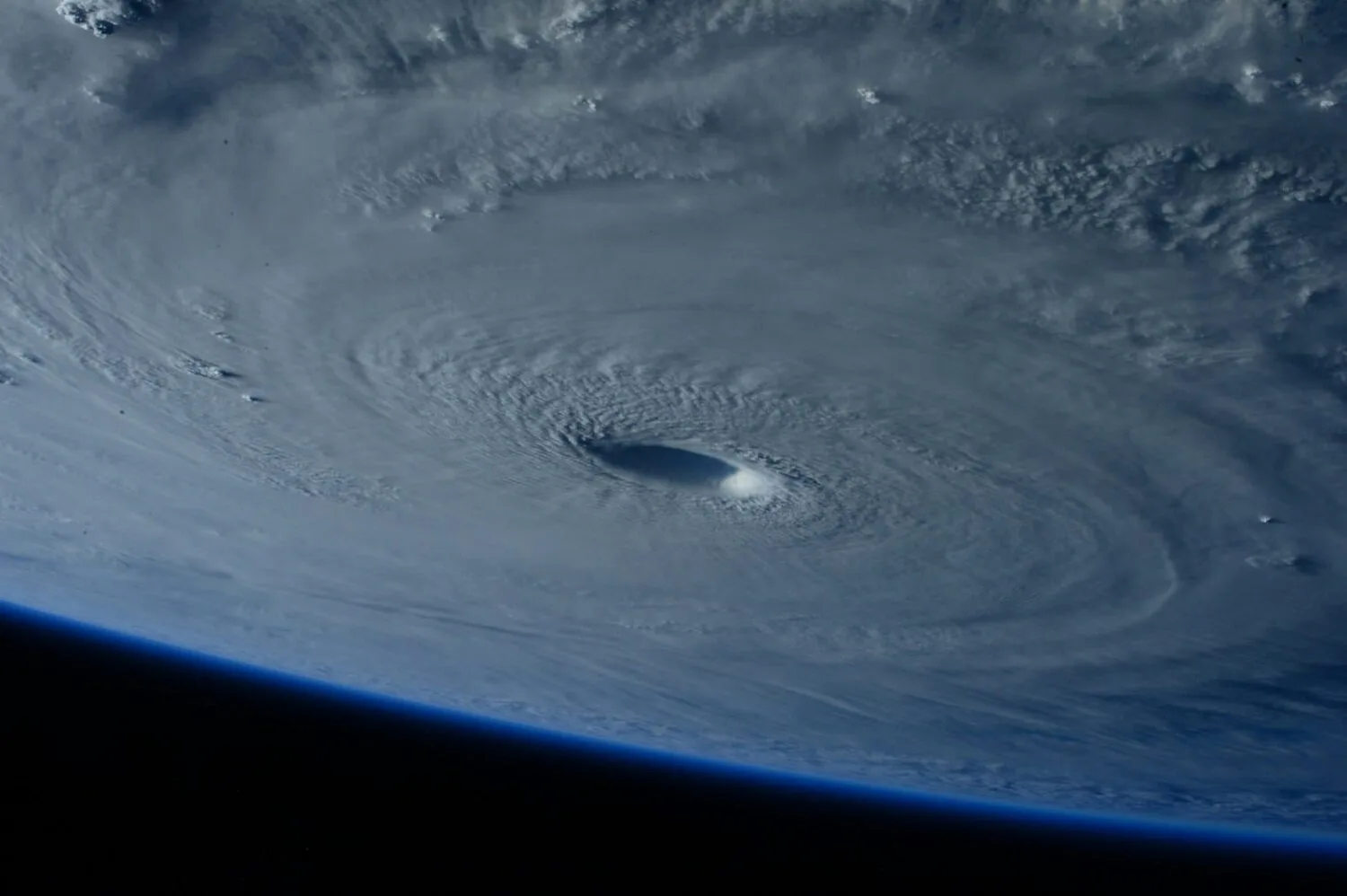
Hurricane Erin is an exceptionally strong and dangerous tropical cyclone that has reached the highest, fifth category on the Saffir-Simpson scale, becoming one of the most powerful weather phenomena in the Atlantic this season. Its winds reached speeds of about 260 km/h.
A Growing Threat
Erin ranks among the fastest-developing hurricanes in Atlantic history. In just over 24 hours it went from Category 1 (about 120 km/h) to Category 5, which points to its rapid intensification. This swift change in the hurricane’s strength underlines how dynamic and destructive a force it can be, especially in the context of climate change.
The hurricane moved north of Puerto Rico and the Virgin Islands, continuing along the Caribbean, bringing heavy rain, floods, mudslides and landslides to the area. Although a direct strike on larger landmasses was not forecast, residents of the most threatened islands had to prepare for torrential rainfall and the destructive effects of the hurricane. So far, the effects of Hurricane Erin in the Caribbean include high waves and stormy sea conditions, hampering navigation and fishing.
Even while still a tropical storm, Erin caused damage around the Cape Verde Islands, where heavy rains triggered local floods and strong gusts of wind that claimed lives.
Footage from inside the hurricane’s eye, recorded by American Hurricane Hunters and the National Oceanic and Atmospheric Administration (NOAA) Aircraft Operations Center, shows the stadium effect, the characteristic structure of the cloud wall around the storm’s eye. These materials help us better understand the vastness and dynamics of this powerful force.
,,Photos taken from inside a fighter jet flying over the eye of Hurricane Erin show how the crew experiences shock as it passes through the inner walls of a powerful Category 5 hurricane”.
Experts expect the hurricane to gradually weaken as it moves over cooler waters and further away from the Caribbean, and its intensity will fluctuate in the coming days.