Have you ever wondered how many important events took place on 28 March over the centuries? From historical raids to breakthrough decisions in social life – this day in history abounds in significant moments that shaped the world in which we live. Let's see what happened that day in history.
What happened on March 28th? Major events in history
1241 – Mongol invasion on Poland
This year was the first Mongol invasion, which brought great destruction. The Mongolian troops won Kraków, which was a significant event in Poland's history, significantly affecting the cultural and political development of the region. This confrontation with the invincible opponent has shown the dangers of the European countries of that time.
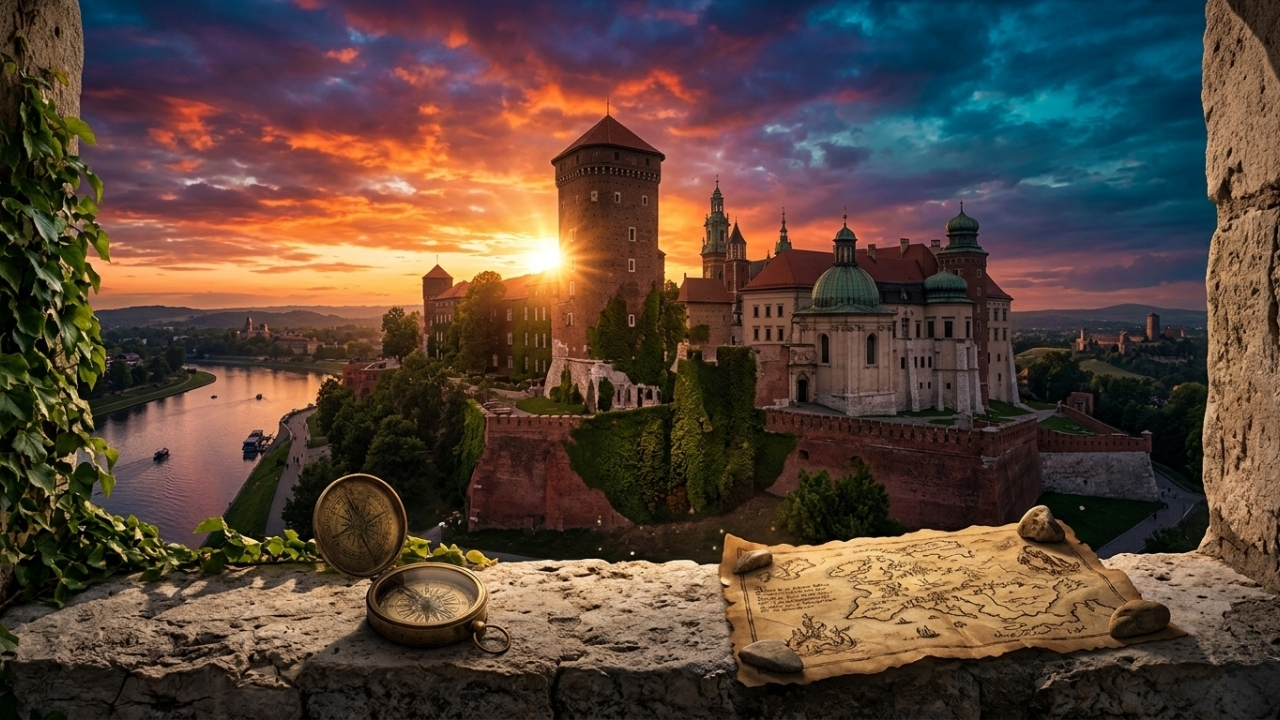
1364 – Consecration of Wawel Cathedral
In the presence of King Casimir III the Grand Archbishop of Gniezno Jarosław Bogoria Skotnicki consecrated the cathedral in Wawel. This event not only marked Wawel's importance as a place of worship, but also confirmed the increasing power and importance of the Polish kingdom in Europe.
1514 – Sigismund I Old Recipes
King Sigismund I Old has issued regulations on the management of farm incomes and peasants. These reforms aimed at improving wealth management, which influenced the development of agrarism in Poland and contributed to the socio-economic change of this era.
1601 — Siege of Kokenhausen
During the Second Polish-Swedish War, Swedish troops began the siege of Kokenhausen, which significantly affected the military situation in the region. This event is one of many battles that emphasize the complexity of Polish-Swedish relations and competition for dominance in the Baltic region.
1656 – Disasters at Low
During the Swedish Flood, there was a defeat of Polish troops in the Battle of Low. This was a dramatic event that had a major impact on the morale of the army and the political situation in the country. This defeat was a symbolic reminder of the difficult times that Poland underwent.
1689 – Convict of Kazimierz Lyszczyński
The philosopher Kazimierz Lyszczyński was sentenced to death penalty for atheism. Such judicial sentences show how strong religious sentiments in Poland were at the time, and what consequences could be met by those who questioned the established order.
1793 – Entering Prussian troops to Gdańsk
In 1793, an event related to the Second Partition of Poland took place when Prussian troops entered Gdańsk. The technical introduction of foreign armed forces in Poland symbolized the degradation of national sovereignty and was a step in the process which led to the complete partition of the Republic.
1920 – Events during the Polish-Bolshevik War
In the context of the Polish-bolshevik War, on that day the Soviet side responded to the Polish proposal to start peace negotiations, demanding another place and a complete halt of fire. This event shows constant tensions and difficulties in achieving peace in the region.
1969 – Premiere of "Mr Volodyjowski"
In Warsaw, the film "Mr. Volodyjowski" directed by Jerzy Hoffman debuted. The adaptation of Henryk Sienkiewicz's novel had a huge impact on the culture and history of Polish cinema, becoming one of the icons of Polish film art.
2022 – Abolishing the order to wear masks
In the face of the COVID-19 pandemic, the order to wear masks in closed rooms was abolished in Poland, which was a culminating moment in the fight against the pandemic. This step speaks a lot about social and moral changes that have taken place in Poland in recent years.
Born 28 March
Rafael Santi (1483) – Italian painter and architect, one of the most prominent representatives of the Renaissance.
Teresa of Ávila (1515) – Spanish nun and mystic, known for her theological writings and reform of the Carmelite order.
Maxim Gorki (1868) – Russian writer, playwright and one of the leading representatives of socialist literature.
Lady Gaga (1986) – American singer and actress, known for her versatile talent and controversial performances.
Maria Wiernikowska (1956) – Polish journalist, author of books and television programs, known for her social commitment.
World events
1930 – City names change in Turkey – Constantinople and Angora were officially renamed Istanbul and Ankara, which significantly affected Turkey's national identity.
1945 – Liberation of Talisay City "American troops liberated Talisay on the Philippine island of Cebu, which was part of wider activities in the Philippines during World War II.
1949 – Turkey's refusal to recognise Israel "Turkey became the first Muslim country to recognise the State of Israel, which had a significant impact on international policy in the region.
1963 – "Birds" by Hitchcock "In Los Angeles, Alfred Hitchcock's iconic film debuted, which still remains a classic of horror.
1979 – Three Mile Island nuclear power plant failures "The American nuclear power plant has experienced a major reactor failure, which has affected the future of nuclear energy in the US.
In conclusion, March 28 is a day with a rich history of events that have affected the fate of many nations. From struggles and fights to outstanding achievements – the historical calendar of that day reminds us how much has changed over the centuries. We encourage you to follow tomorrow's events in history!