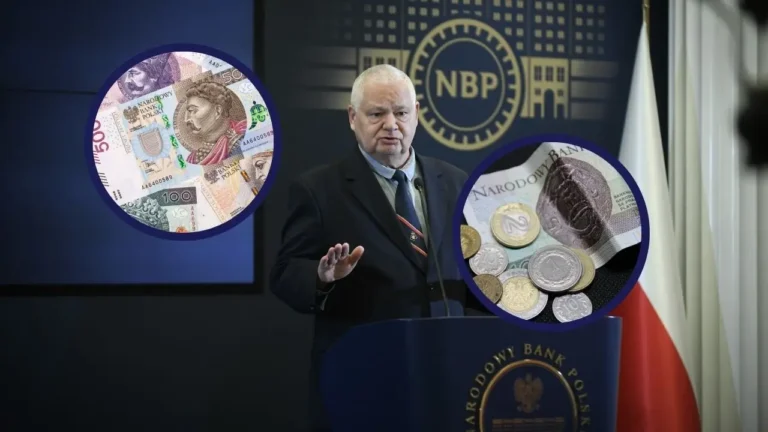

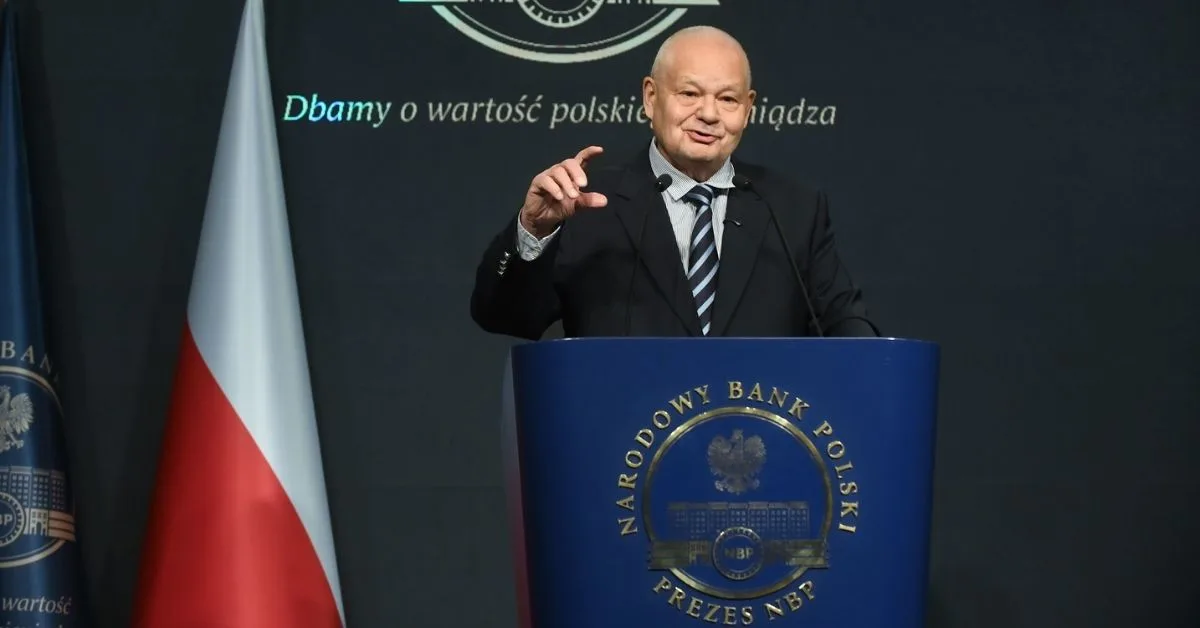
The Monetary Policy Council (RPP) opened 2026 with an important decision on interest rates. At its meeting on January 13-14, it resolved to keep them unchanged, which surprised some market observers but was in line with the expectations of most economists. This is the first such pause after a series of cuts in 2025, and it may signal a stabilisation of the monetary policy of the National Bank of Poland (NBP).
Details of the RPP decision
According to the announcement, the NBP’s interest rates remain at the following levels:
- Reference rate: 4.00% annually,
- Lombard rate: 4.50% annually,
- Deposit rate: 3.50% annually,
- Bill rediscount rate: 4.05% annually,
- Bill discount rate: 4.10% annually.
This decision breaks a cycle of six consecutive cuts in 2025, which together lowered the reference rate by 175 basis points. The last reduction took place in December last year, and now the Council has chosen to „press pause” to assess the effects of its previous actions.
Rationale and economic context
Members of the RPP, including Ludwik Kotecki, argued in favour of a pause, so as to better analyse the impact of the cuts on inflation and economic growth. A key factor is the upcoming revision of the inflation basket in March, which may affect future readings. CPI inflation in the second half of 2025 fell to close to 2.5%, in line with the NBP’s target of 2.5% ±1 percentage point. Average annual inflation in 2025 was 3.6%, and forecasts for 2026 point to a decline to 2.6%.
The economic situation in Poland remains stable, with monetary policy having a slightly expansionary character. Interest rates are currently the lowest since April 2022 and below the median of the last 26 years (4.25%). This is the result of a global decline in fuel and energy prices, as well as base effects.
Economists’ opinions and outlook
Most economists predicted this decision, although the market is not certain how long the pause will last. An NBP survey of forecasters suggests inflation stabilising within the target range. In 2026, one to three further cuts of 25 basis points each are possible, which could lower the reference rate to 3.00-3.75% by mid-year. The next RPP meeting is scheduled for February 3-4, which may provide new guidance.
What does this mean for borrowers and the economy?
For people with variable-rate loans, especially mortgages taken out before 2022, keeping rates at their current level is neutral news: instalments will remain stable, and earlier cuts have already reduced borrowing costs.
Real interest rates are positive (the reference rate exceeds inflation over the last 12 months), which supports stability, but we are approaching the end of the monetary easing cycle. This may mean that in 2026 the economy enters a phase of balanced growth, without abrupt changes.
Source: RPP press release