

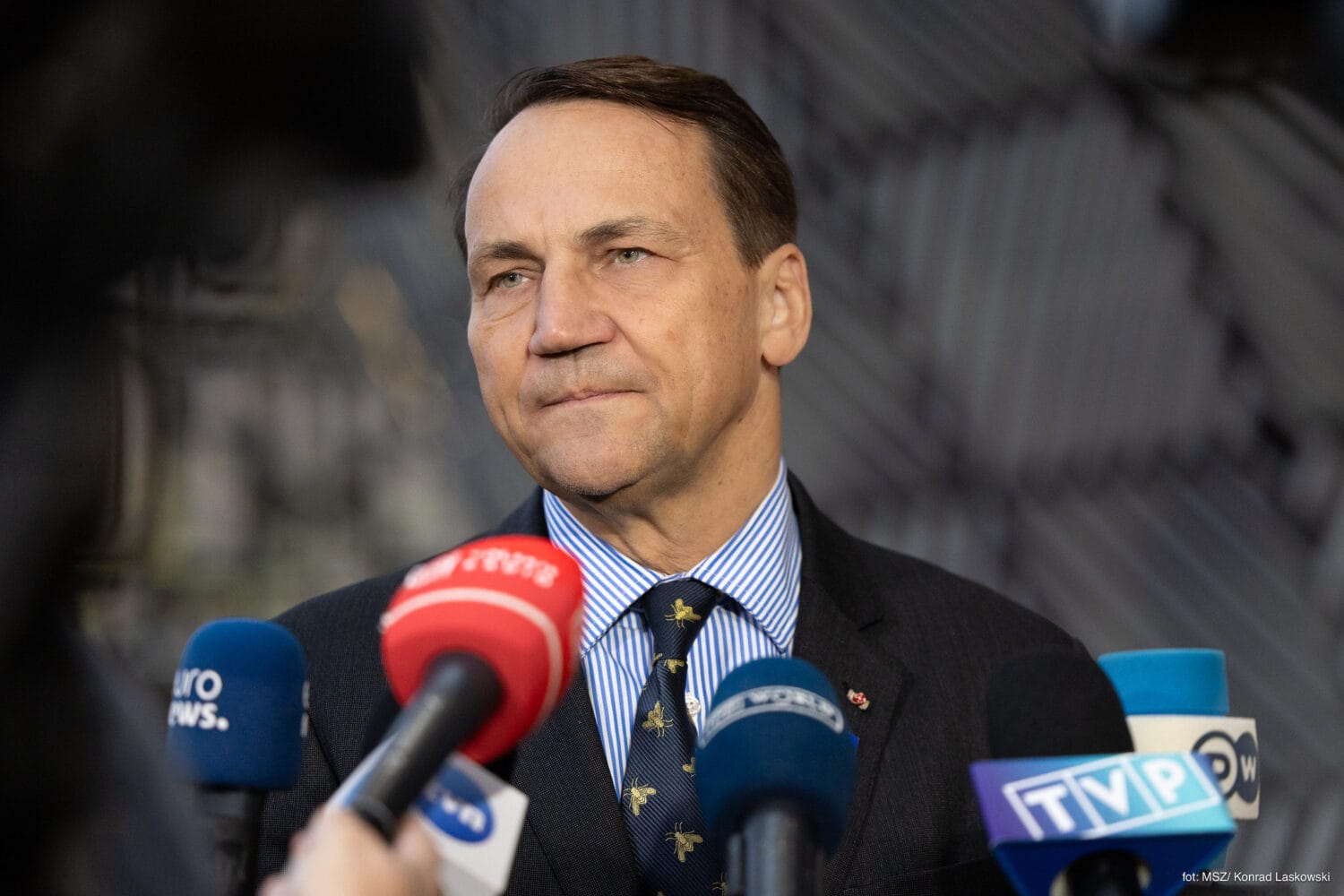
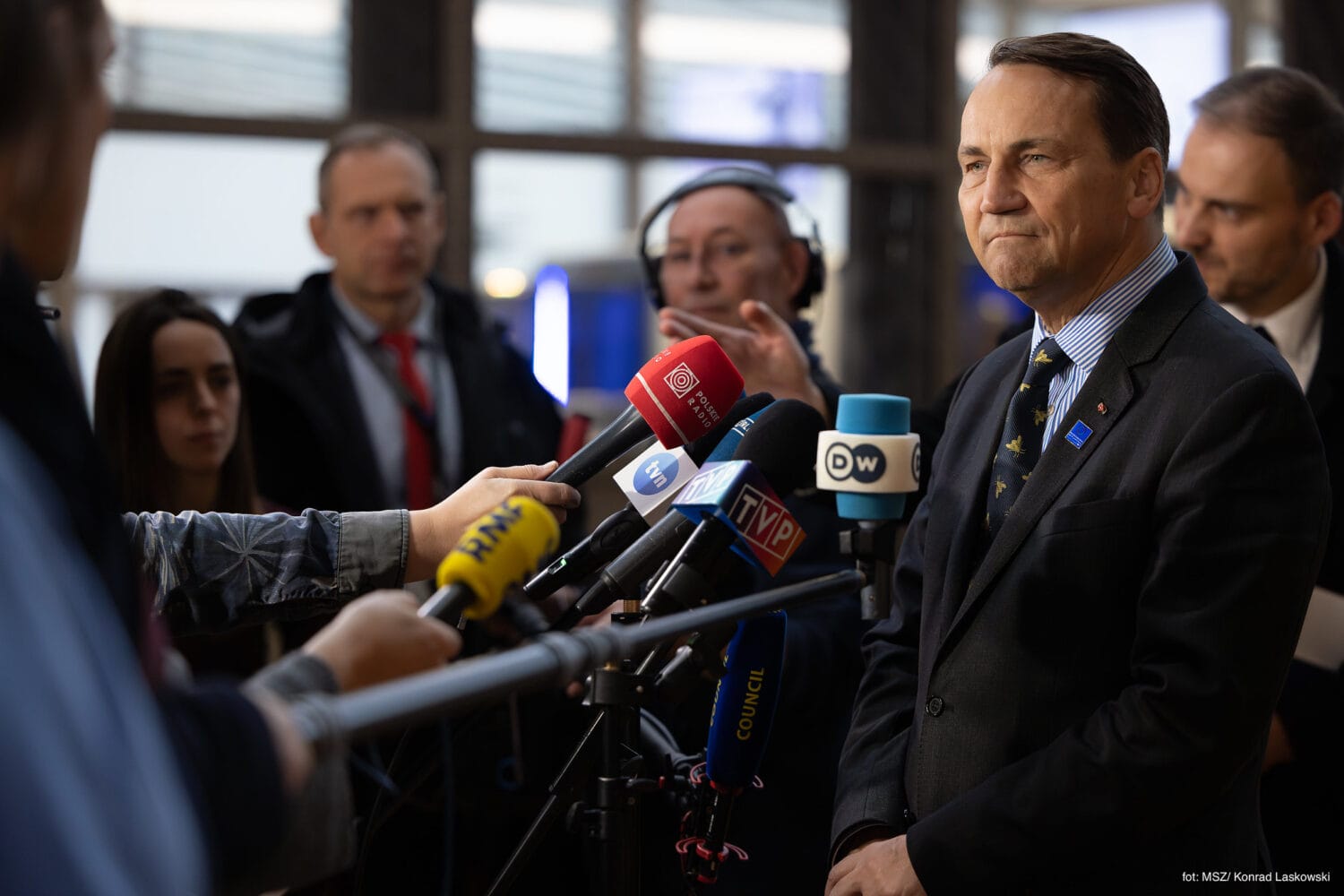
Deputy Prime Minister and Foreign Minister Radosław Sikorski announced that before the end of this year Poland will allocate $100 million to purchase American weapons for Ukraine. The funds will be channelled through the PURL (Prioritized Ukraine Requirements List) programme, which allows NATO countries to finance weapons deliveries directly from American stocks. The statement was made before the start of the Foreign Affairs Council of the European Union meeting in Brussels.
Details of the announced support
As Sikorski reported, the funds come from the budget of the Ministry of Foreign Affairs (MSZ) and will be transferred before the end of 2025. The PURL programme, initiated by NATO, enables rapid purchases of weapons and ammunition in line with priorities submitted by Kyiv. Poland thereby joins a group of ten other Alliance countries that had previously engaged in this initiative. So far, several military aid packages have been financed under PURL, some of which are still being implemented.
The minister stressed that the decision is part of a broader effort to strengthen Ukraine’s defence in the face of ongoing Russian aggression. “From the budget I have at the MSZ, I intend to transfer $100 million for military aid to Ukraine under the PURL programme, through which we buy American weapons, before the end of the year” – said Sikorski, as quoted by the official MSZ account on the X platform.
Context of the PURL programme and Polish aid
The PURL programme is a mechanism created by NATO in response to the urgent needs of the Ukrainian army. It allows member countries to finance purchases of military equipment directly from the United States, which speeds up deliveries and bypasses bureaucratic obstacles. The initiative gained importance after ten new NATO countries joined the programme in October 2025, expanding its scale.
Since the start of Russia’s invasion of Ukraine in 2022, Poland has been one of the largest donors of military aid to Kyiv. According to government data, in 2022-2023 Warsaw spent over PLN 106 billion on this purpose, which covers not only weapons but also humanitarian support and economic assistance for refugees. The new PURL funds are a continuation of this policy which, as experts argue, strengthens not only Ukraine but also the security of all of Eastern Europe.
Reactions to the announcement
Sikorski’s statement has provoked mixed reactions in Poland and abroad. On the X platform, where the MSZ published the minister’s quote, many comments criticising the decision appeared. Some internet users accuse the government of prioritising foreign aid at the expense of domestic problems, such as shortages in healthcare or infrastructure. One user wrote: “The National Health Fund (NFZ) is going bankrupt, there’s no money for anything, and they’re transferring 100 million bucks to corrupt Ukraine”. Another added: “And I can’t register my child with a neurologist – they’ve suspended patient admissions because the money has run out!”.
On the other hand, supporters of the decision emphasise its strategic importance. “It is an investment in our own security. Russia will not stop at Ukraine” – comment international affairs experts. Internationally, the announcement has been received positively, with recognition from Ukrainian authorities and NATO allies.
Significance for Polish-Ukrainian relations and European security
Poland’s decision fits into a broader context of European efforts to support Ukraine. Sikorski also stressed the need to include Europe in any potential peace negotiations, referring to reports of American plans to end the conflict. “As Europe, we demand to be included in these decisions” – the minister stated.
Experts note that the PURL programme not only speeds up weapons deliveries but also strengthens transatlantic relations. For Ukraine, which has been fighting Russian invasion for over three years, such support is crucial in holding the front line. Poland, as a country bordering Ukraine, has a particular interest in regional stability, which may prevent the escalation of the conflict onto its own territory.
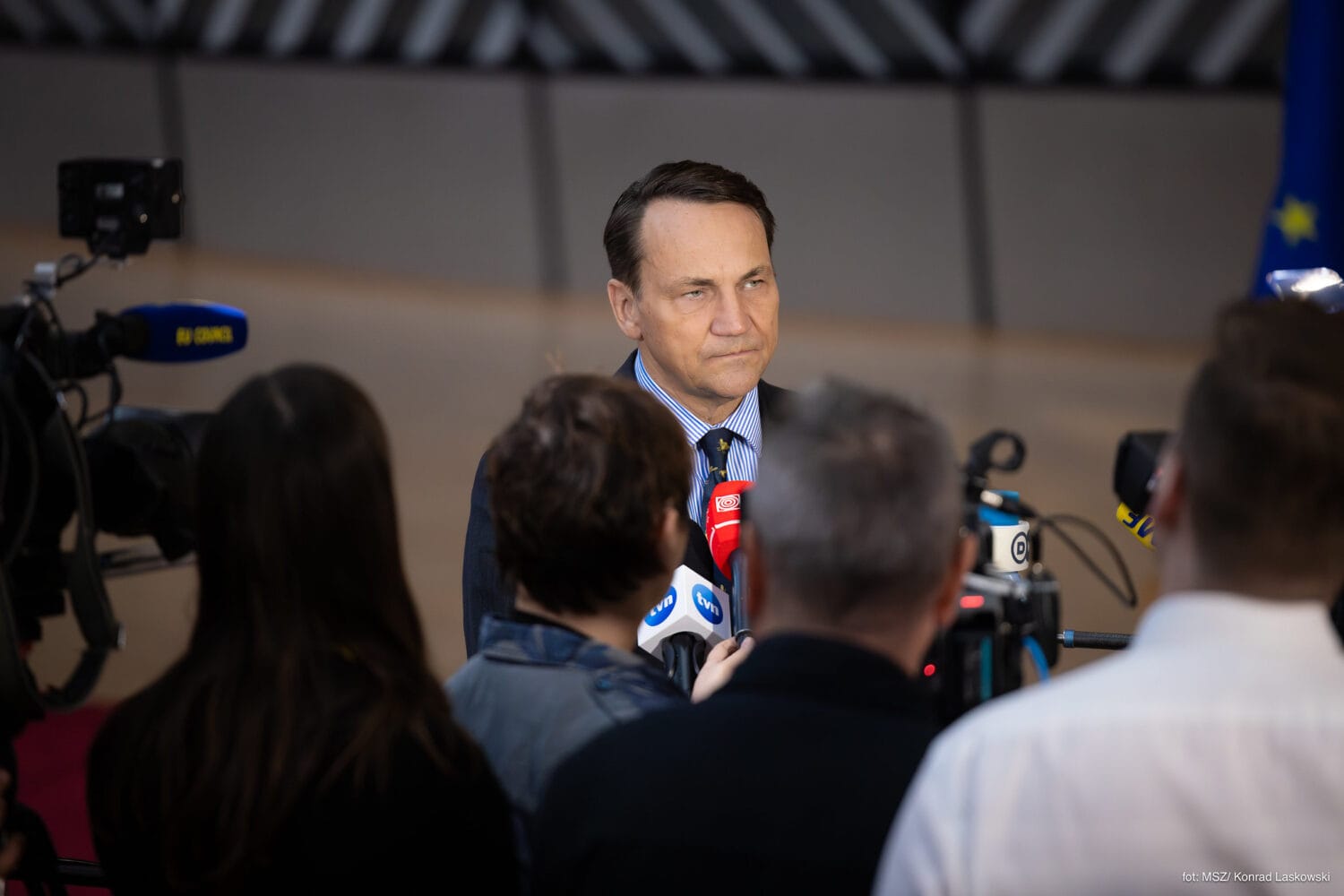
The $100 million in support announced by Radosław Sikorski is another step in Poland’s commitment to Ukraine. Through the PURL programme, Poland not only helps an ally but also contributes to strengthening the collective security of NATO and the EU. Despite internal controversies, the decision underlines Warsaw’s role as a leader in the Central and Eastern European region. Observers will be watching how these funds translate into concrete weapons deliveries and affect the dynamics of the conflict.


Komentarze