On the night of 28 to 29 March 2026 Poland will once again pass for summer time. This is one of two annual changes in time that affects all the people of the country. We're moving the watches this way: forward.
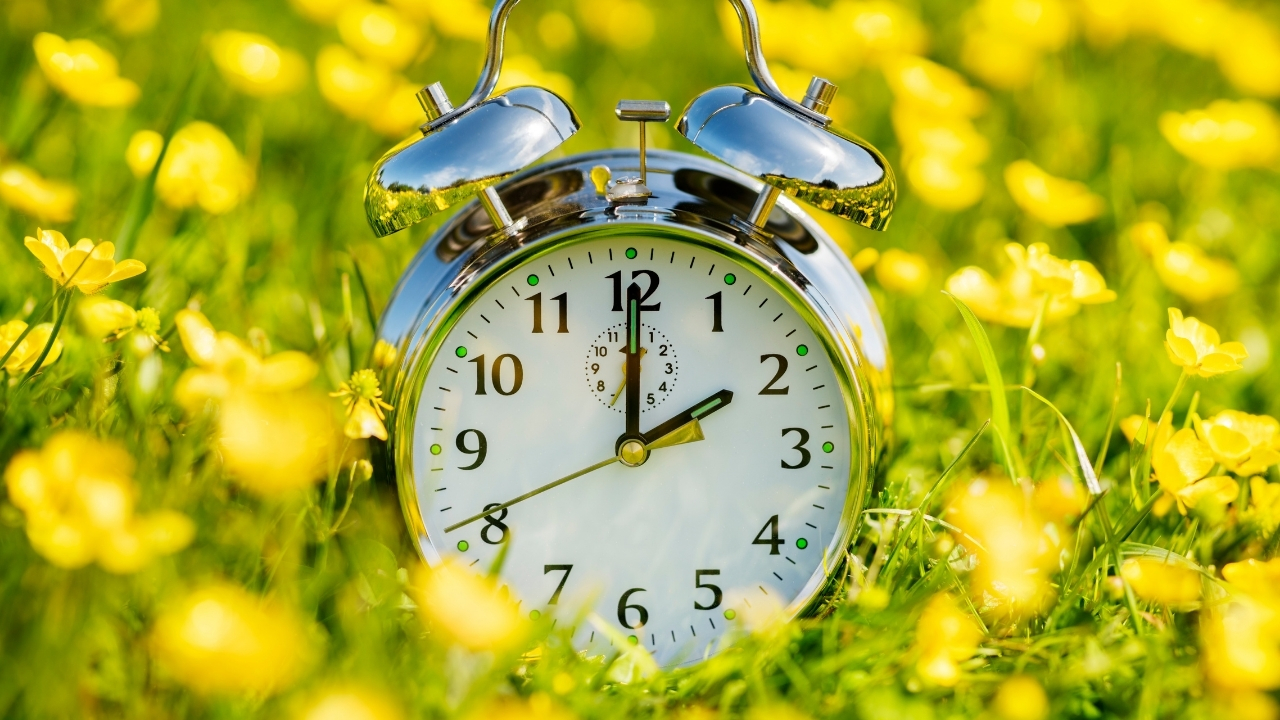
At exactly 2:00 a.m. from Saturday to Sunday, we'll move the clocks to 3:00 a.m. In practice, this means that tonight we will sleep less than an hour. The change concerns both mechanical watches and electronic devices – the latter usually update automatically. The summer time (CEST) will be valid until the last Sunday of October, when we return to winter time, reversing watches by an hour.
Why are we moving our watches forward?
The tradition of changing time to summer dates back to the early 20th century and aims to make better use of daylight. In spring and summer, the sun rises earlier, so shifting the hours forward allows us to enjoy the longer evening with natural light. This makes us use less energy for artificial light. In Poland, these rules are governed by the Prime Minister's Regulation – the current timetable covers the years 2022-2026 and is in accordance with European Union regulations.
What does this mean in practice?
- For drivers and travellers: On Sunday morning after the change, public transport and timetables will be adapted to the new time. It is worth checking the departure times of buses or trains.
- For shift workers: People working at night from 28 to 29 March will experience a brief change – one hour less in the schedule.
- For Health: The body needs a few days to get used to the new season. Many of us may feel tired, having trouble sleeping, or having less concentration. Doctors recommend that you lie down early in the days preceding the change and more outdoor movement.
Is this the last such change?
The debate on the abolition of double time has been in the European Union for several years. In the public consultation, as much as 84 percent of respondents advocated giving up the shift of watches. The European Commission has considered abolishing the changes, but so far no new rules have been introduced. The current regulation applies until the end of 2026, so next year the change will continue to take place – unless politicians decide otherwise.
This time you don't have to worry about forgetting – just remember the simple rule: for the summer time watches go forward (spring), and for the winter time – back ( autumn). We sleep less tonight, but we gain longer, brighter nights. It is worth using this extra time to relax in the open air whenever the weather allows.