
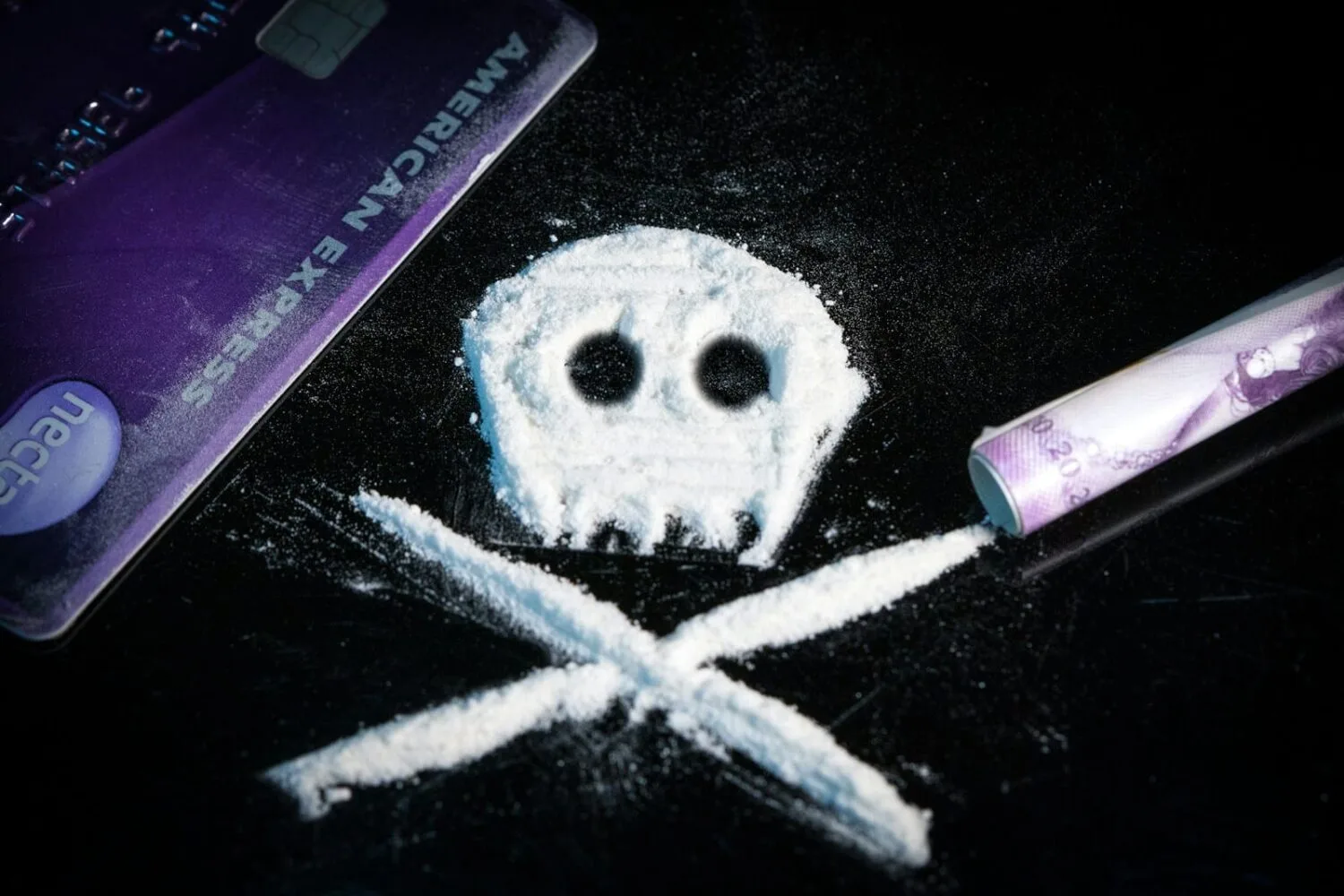
Amid rising inflation and high prices, one thing is surprisingly getting cheaper: cocaine. According to the latest reports, including one from the prestigious German magazine Der Spiegel, the price of this drug is falling worldwide, and Europe is grappling with a wave of oversupply dubbed the „white tsunami”. What does the 2016 peace agreement in Colombia have to do with this? It turns out that the peace meant to end a civil war has paradoxically fuelled a boom in coca production. In this article, we look at the causes, statistics and consequences of this phenomenon, based on credible sources and expert analyses.
The History of the Peace Agreement: From War to a Narcotics Boom
In 2016, Colombia celebrated a historic moment with the signing of a peace agreement between the government and the rebels of the Revolutionary Armed Forces of Colombia (FARC). The accord, for which President Juan Manuel Santos received the Nobel Prize, was meant to end a conflict of more than 50 years that claimed hundreds of thousands of victims. The FARC, a Marxist guerrilla group, controlled vast areas of the country, including coca plantations, the main raw material for producing cocaine.
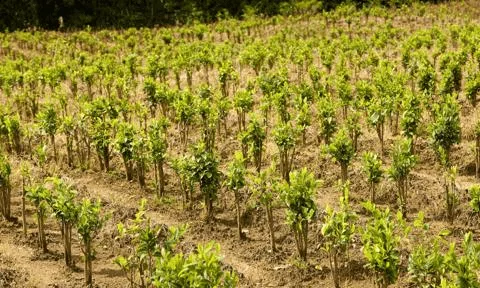
However, as Der Spiegel noted in its 2016 article, the peace created a power vacuum. The rebels’ withdrawal allowed other criminal groups, such as the Clan del Golfo, and small farmers to expand, and they began growing coca on a massive scale. Instead of a drop in drug production, there was a sharp increase. The UN confirms that the area under coca cultivation grew from about 50,000 hectares in 2013 to 171,000 in 2017, an increase of more than 73%. By 2022 it had reached a record 230,000 hectares, equal to more than 2,300 square kilometres.
Colombia, which produces 70-80% of the world’s cocaine (about 1,700 tonnes a year as of 2023), has become the epicentre of the global drug market. Rather than curbing trafficking, the peace opened the door to uncontrolled expansion.
Falling Prices: From 100 Euro to 30-50 Euro per Gram
The result of this overproduction is a drastic drop in cocaine prices on the streets of Europe. In Frankfurt, according to data from the addiction department, prices from dealers range between 30 and 50 euros per gram, compared with 100 euros just a few years ago. Across Europe, wholesale and street prices have fallen by 40-50% since 2016. Der Spiegel describes this as a „cocaine boom”, in which oversupply exceeds demand, forcing cartels to cut prices in the fight for the market.
In Germany, according to an analysis from 2025, the share of cocaine-dependent people in Bavaria rose from 50% to 68%, overtaking heroin as the most popular hard substance. Experts speak of a „white tsunami”, a wave of cheap cocaine sweeping across the continent and reaching new social groups, including young professionals and students.
In Poland the situation is similar, although the price drop is not yet as drastic. Customs services, however, report a rise in smuggling attempts: in recent years, several shipments weighing about 3 kg each have been intercepted at the borders with Spain and Germany. According to experts, cheaper cocaine will soon reach us too, changing the dynamics of the market.
Consequences of the „White Tsunami”: Rising Addiction and Crime
Cheaper cocaine is not just „good news” for users; it is a serious social problem. Oversupply leads to higher consumption, which puts a strain on healthcare systems. In Europe, the number of medical incidents linked to overdoses and poisonings is rising. Cartels, competing for influence, are intensifying violence in ports such as Antwerp in Belgium and Rotterdam in the Netherlands, where record quantities of drugs are being seized.
Experts warn that Europe is not prepared for this scale. As Der Spiegel quotes: „Cartels have flooded Germany with cheap cocaine”. This is a systemic change: cocaine is becoming „cheap luxury”, available to a wider circle, which could lead to an addiction epidemic similar to the opioid crisis in the USA.
In Colombia, the government is trying to tackle the problem through alternative crop programmes for farmers, but political turmoil, as described in Der Spiegel’s latest article from August 2025, complicates the situation. President Gustavo Petro, a leftist leader, proposes decriminalisation, arguing that „cocaine is no worse than whisky”, but this is a controversial approach.
What Next? Outlook and Warnings
Paradoxically, the peace in Colombia, which was supposed to bring stability, has become a catalyst for a global drug crisis. Experts from the UN and the EU call for international cooperation: strengthening border controls, education programmes and support for Colombian farmers. Without this, the „white tsunami” may intensify.
Estimated Average Age of Death Among Drug Users
The table below lists 15 psychoactive substances, ranked from the shortest estimated average age of death, assuming daily use and a first dose at age 18. The data come from unofficial sources (e.g. discussions on social media platforms such as Wykop) and are estimates based on general mortality statistics among dependent users. Actual values may differ depending on factors such as substance purity, access to healthcare and lifestyle. For context, according to research (e.g. Omni Calculator based on CDC data), chronic heroin use can shorten life by about 30 years, which would correspond to death at around age 48 when starting at 18 (assuming an average life expectancy of about 78). Similarly for other substances: methamphetamine about 17 years of lost life, cocaine about 13 years, alcohol about 13 years. Always consult reliable medical sources and remember that any drug use carries risk.
| Drug/Substance | Estimated average age of death | Main causes |
|---|---|---|
| Kompot (Polish heroin) | ~23–28 years | Bacterial toxins, HCV, deaths after 5–10 years (data from the PRL era; newer averages ~35 years) |
| Fentanyl | ~30–35 years | Rapid overdoses in mixtures |
| Heroin (pure) | ~35 years | Overdoses, HCV; average in the EU/PL for opiates |
| Methadone | ~35–40 years | Respiratory depression in misuse |
| Crack cocaine (smoked) | ~40–45 years | Heart arrhythmias, lung damage |
| Methamphetamine | ~45–50 years | Heart and neurological problems |
| Cocaine (snorted) | ~45–55 years | Heart problems (slower progression) |
| Amphetamine | ~45–55 years | Arterial hypertension |
| Barbiturates | ~45–50 years | Respiratory overdoses |
| Other synthetic opiates | ~40–50 years | Similar to heroin (overdoses, infections) |
| Alcohol | ~50–60 years | Liver damage, accidents |
| Benzodiazepines | ~50–60 years | Overdoses in mixtures |
| Tobacco | ~55–65 years | Cancer and chronic diseases |
| Ketamine | ~55–65 years | Low overdose risk |
| Marijuana | ~65–75 years | Minimal physical effects |
Sources: Der Spiegel, UN report.