Will you really just pay with a card? The new rules that bring about a revolution in payments change the rules of the game – but are you sure everyone agrees?
As of March 2026 there will be a card in the shops – what about cash?
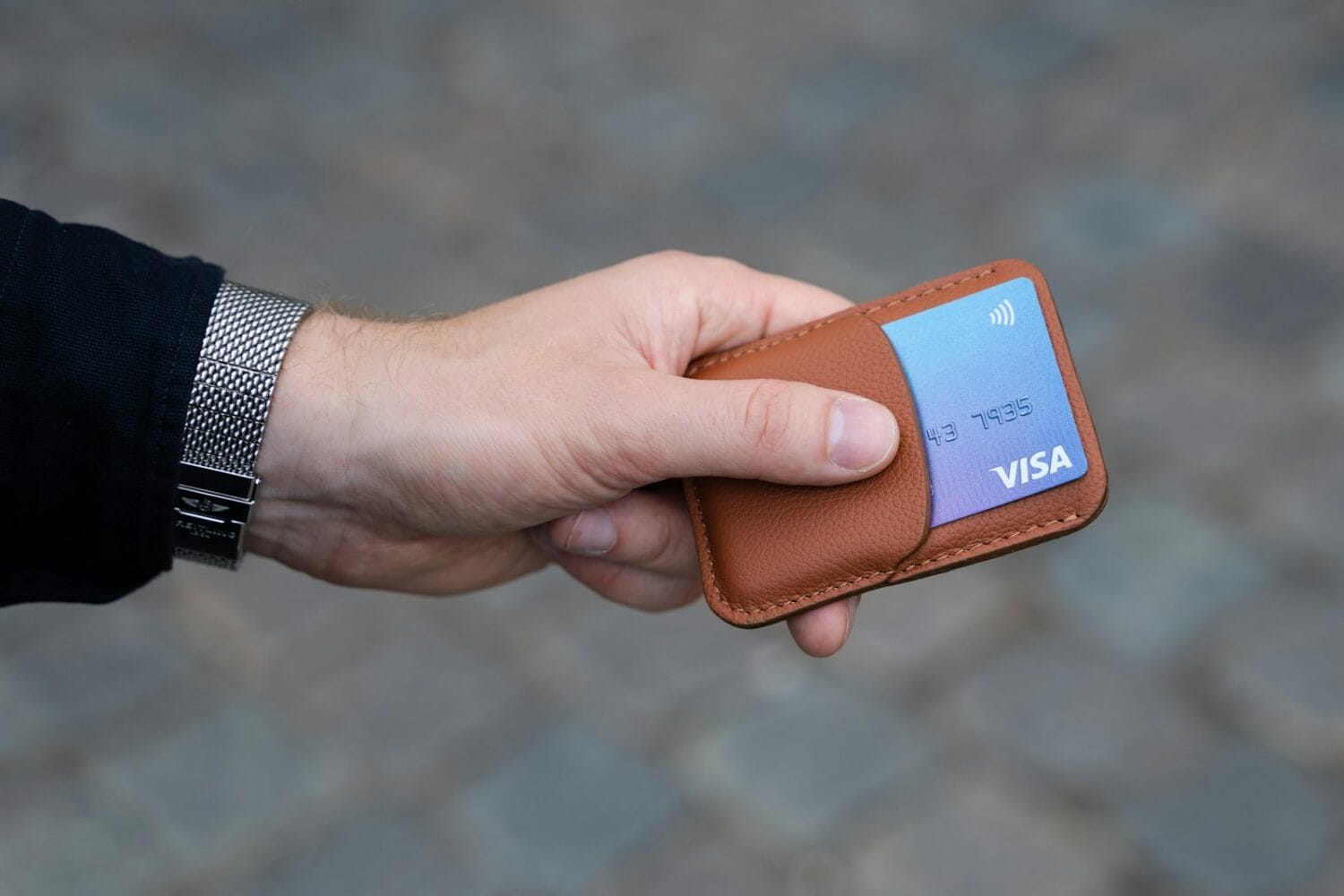
As of March 2026, one of our neighbouring countries will be required to have payment terminals for card handling and non-cash payments. Although this sounds like the end of the cash age, it must be noted that the right to pay with cash will also be guaranteed by law. What does this mean in practice? Sellers will offer card payment opportunities, and customers will still be able to choose between cash and card, although they will increasingly be encouraged to the card.
Where is this happening?
It is Slovakia where Robert Fico's government approved this controversial regulation package. The new law requires entrepreneurs to have terminals and to operate payment cards.
At the same time, however, to protect citizens, the Slovak Parliament guaranteed the constitutional right of everyone to pay in cash.
Card payment – big problem or convenient solution?
In theory – more cards and terminals means more convenience and security of payment. In practice, however, problems began to arise in Slovakia:
- shops charge card fees to compensate for the new tax on financial transactions
- some points sell cheaper if you pay cash
- even there have been examples of restrictions such as card payments above a certain amount (e.g. EUR 5)
The new tax, introduced in April 2025, imposes on banks the obligation to pay taxes on financial transactions, and this in practice turns into additional costs for entrepreneurs and consumers.
Consequences of payment by card introduced in Slovakia
| Credit card benefits | Disadvantages and controversy |
|---|---|
| Fast and secure transactions | Additional fees or higher prices |
| Greater economic digitisation | Exclusion of older and less digital people |
| Easier tax settlements | Technical problems with terminals |
| Fight for the Grey Zone | Increasing social tensions and protests |
What does citizens and entrepreneurs say?
Slovak entrepreneurs complain about rising costs and complicated regulations. More and more places disappear or charge card charges.
The society has been divided into supporters and opponents – some value comfort and security, others fear digital control and bear costs.
Is Poland facing a similar scenario?
The Slovak experiment is a warning signal for other countries of the region. Poland has not introduced mandatory terminals or a ban on cash, but discussions on restrictions on cash payments and taxes on financial transactions are ongoing.
What is happening to the south of our borders may be an announcement of wider changes across the European Union.