
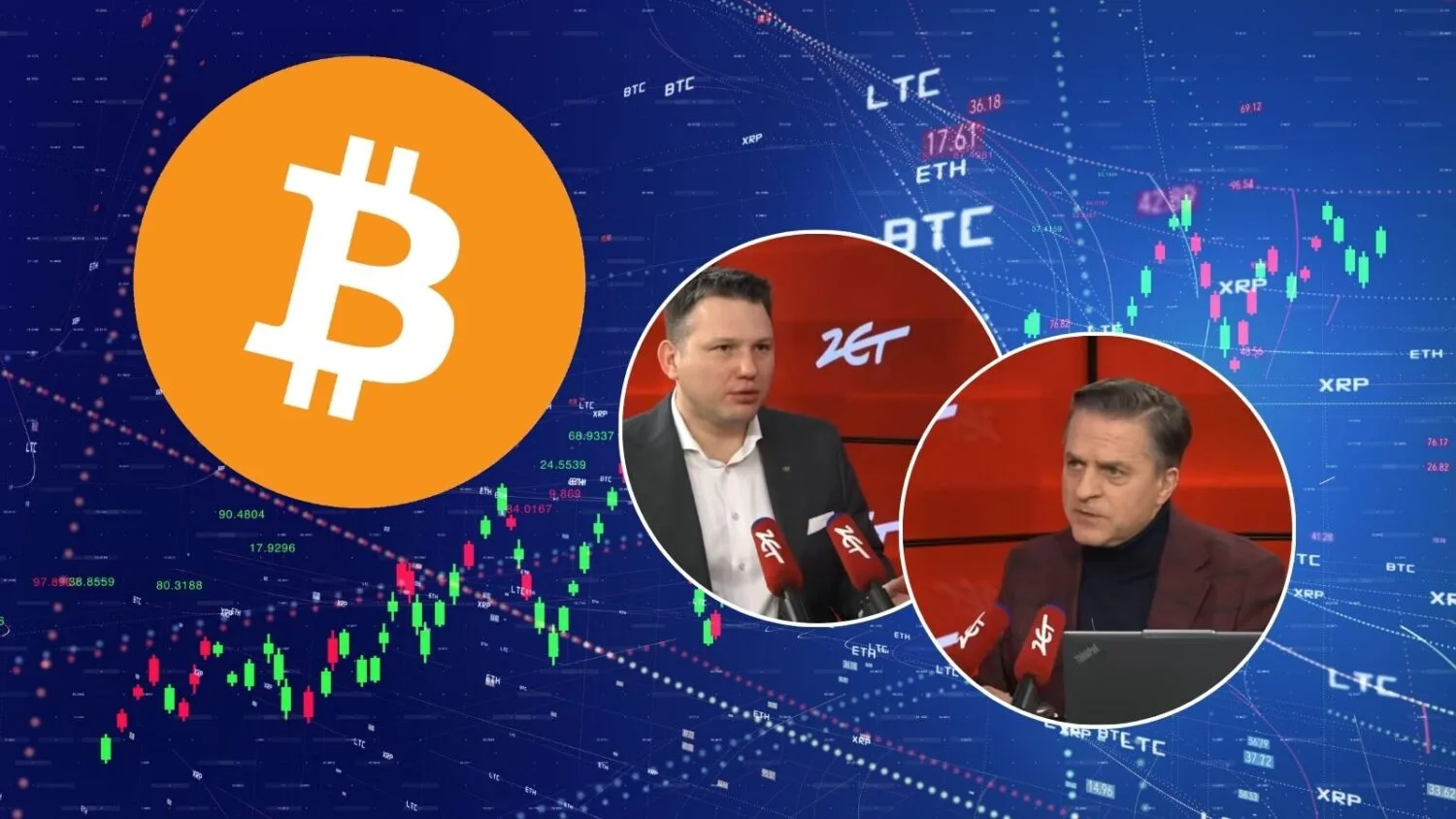
On Monday, 1 December 2025, President Karol Nawrocki vetoed the act on the crypto-asset market, which was meant to implement the EU’s MiCA (Markets in Crypto-Assets Regulation) rules. The decision has stirred up political and business circles. Sławomir Mentzen, a prominent Confederation politician and staunch supporter of cryptocurrencies, did not hide his enthusiasm. In his post on the X platform (formerly Twitter) he wrote: “Very good that the President vetoed the crypto act. Its introduction would have led to the collapse of yet another industry in Poland!”. In a programme on Radio ZET hosted by Bogdan Rymanowski, Mentzen explains his stance in detail, stressing threats to innovation and economic freedom. But is this really a defence of the market, or rather a political manoeuvre on the eve of new regulatory challenges?
Background to the dispute: EU MiCA versus the Polish reality
The act on crypto-assets, passed by the Sejm on 7 November 2025, was meant to align Polish law with EU standards. MiCA sets out a framework for the issuance and trading of digital assets, imposing obligations on token issuers and crypto-service providers. Supervision of the market was entrusted to the Polish Financial Supervision Authority (KNF), which would have gained tools for control and sanctions, including blocking websites suspected of violations.
Supporters of the regulation, including Donald Tusk’s government, argued that without the act Poland would remain a “black hole” in the EU, the only country without dedicated crypto legislation. The KNF warned that failing to implement MiCA by July 2026 could result in cryptocurrencies being delisted from brokers’ and exchanges’ offers, which would hit thousands of investors. Prime Minister Tusk, commenting on the veto, did not mince words: “To say the president’s veto on cryptocurrencies is ambiguous is an understatement. Behind it are big money, scandals and investigations”. He pointed to links with the “mysterious disappearance of the crypto king” and to the financing of a radical right-wing campaign.
On the other hand, critics of the project, including the Confederation circles, saw it as a “trap for innovation”. The act would have allowed websites of crypto companies to be “switched off with one click”, which, in the President Nawrocki’s view, threatens civil liberties and the financial stability of Poles. The Presidential Chancellery stated in a communique: “The vetoed provisions genuinely threaten the freedoms of Poles, their property and the stability of the state”.
Mentzen on ZET: “It’s a lifeline for the industry”
In a recording from Radio ZET, which Mentzen published on X, the Confederation MP leaves no doubt about his position. Answering Bogdan Rymanowski’s questions, he said: “This act is not consumer protection, but a tool for strangling competition”. He stressed that Poland, with its dynamically growing crypto market (trading volume exceeds billions of złoty a year), could become a European innovation hub. Instead, according to him, Tusk’s regulations would lead to capital flight abroad, as happened with earlier “overregulation” in the fintech sector.
Mentzen, known for his personal involvement with cryptocurrencies (his wallet includes, among other things, bitcoins worth millions of złoty), defends the veto as an act of courage. “The President listens to the voice of entrepreneurs and investors, not Brussels bureaucrats” – he adds. His post on X quickly gained popularity. Supporters praise the “protection of freedom”, while opponents accuse him of hypocrisy: “Are you saying this in the interest of other people, not your own?” asks one internet user.
What next for the act?
Tusk’s government does not intend to give up. The Prime Minister announced swift work on a “project 2.0”, which is to return urgently. “We will not allow the interests of a few to block the protection of millions” – Tusk stated. Behind it lurk scandals: investigations into money laundering through cryptocurrencies and the disappearance of prominent market players, which only heats up the atmosphere.
What next for Polish crypto?
The Polish crypto market, worth billions and employing thousands of people, has been left in limbo. Without the act, the KNF lacks full oversight, which increases the risk of fraud, from scams to hacker attacks. On the other hand, advocates of a free market fear that excessive regulation will deter innovators. Experts from the Blockchain and New Technologies Chamber of Commerce estimate that implementing MiCA in its strict form could cost the industry as much as 20% of its turnover.
Nawrocki’s veto buys time for debate, but EU pressure is relentless. By July 2026 Poland must have regulations in place, or it risks isolation. For Mentzen and the Confederation, this is an opportunity to mobilise voters: young, digital and anti-regulation. Will the veto prove a triumph of freedom, or merely a delay of the inevitable? Time will tell, but one thing is certain: cryptocurrencies remain a hot topic in Poland, where politics and technology intertwine in unexpected ways.