
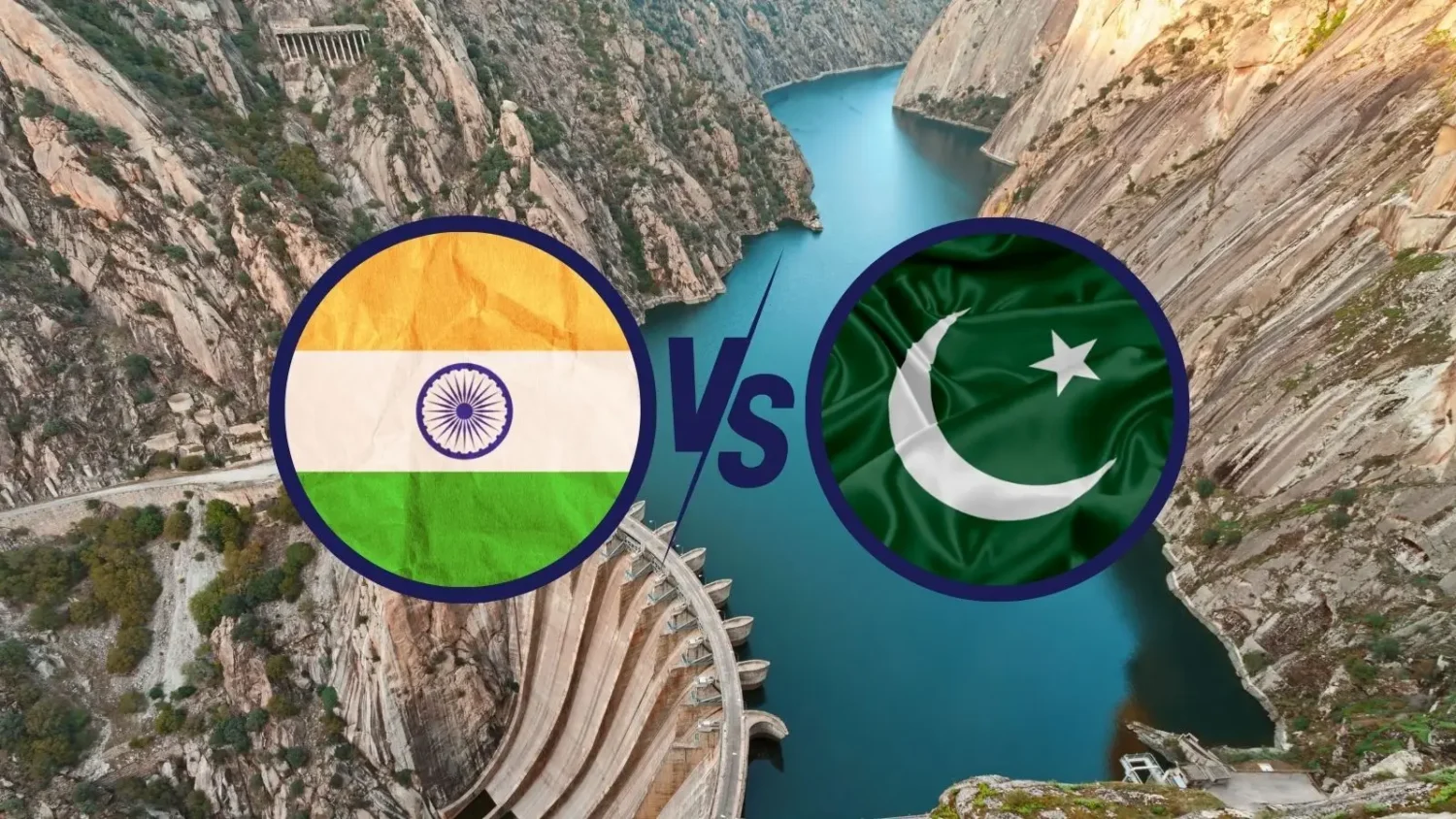
Tensions between India and Pakistan have reached a dangerous level in recent days. After suspending the historic Indus Waters Treaty, India has begun restricting water flow through strategic dams, which Islamabad calls an „act of war”.
Source of the conflict: Water as a political weapon
Water from rivers flowing from Kashmir is a matter of life and death for Pakistan – as much as 80–90% of the country’s agriculture depends on the tributaries of the Indus, Chenab and Jhelum. India’s decision to close the flow through the Baglihar Dam on the Chenab, and planned actions at the Kishanganga Dam on the Jhelum, could lead to drought, a food crisis and even mass migration.
The Indus Waters Treaty – a foundation under threat
Signed in 1960, the treaty guaranteed Pakistan access to the western rivers and India to the eastern ones. It survived wars and crises until now, when India unilaterally suspended it after a terrorist attack in Kashmir. Pakistan strongly protests, threatening to respond „with full force”.
Consequences for Pakistan – real threats
- A possible drop in water levels of up to 25% as early as this year, which threatens the collapse of agriculture and food shortages.
- No information on water releases and flood risks, which increases the risk of natural disasters.
- The threat of sudden floods resulting from uncontrolled opening of dams by India.
India – motives and consequences
India explains its actions by the need to respond to terrorism and a desire to put pressure on Pakistan to stop supporting armed groups in Kashmir. However, building the infrastructure needed to fully stop the water will take months or years, while the threat alone is destabilising the region and fuelling war sentiment.
What does a water war threaten?
Both sides are using war rhetoric – Pakistan considers the water blockade an „act of war”, while India does not rule out further military steps. In a region where access to water determines the survival of millions of people, the conflict could quickly spiral out of control.
Water – a new front line
The water conflict between India and Pakistan shows how natural resources are becoming a tool of political pressure and a potential flashpoint for war in the 21st century. Further developments depend on the decisions of politicians and social pressure on both sides of the border.