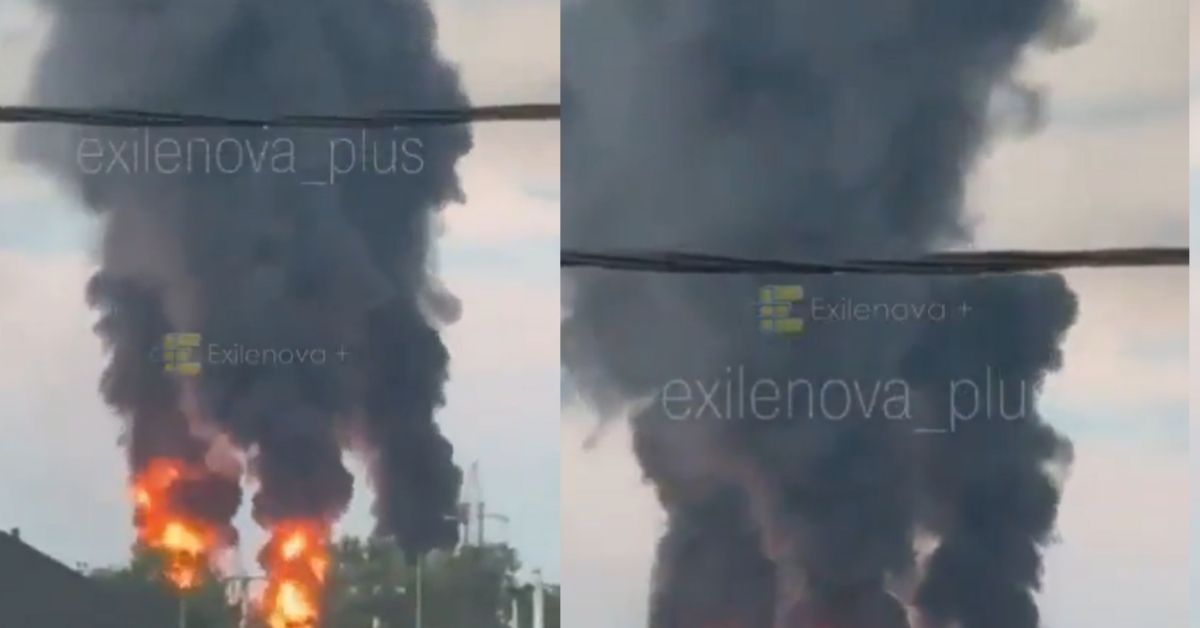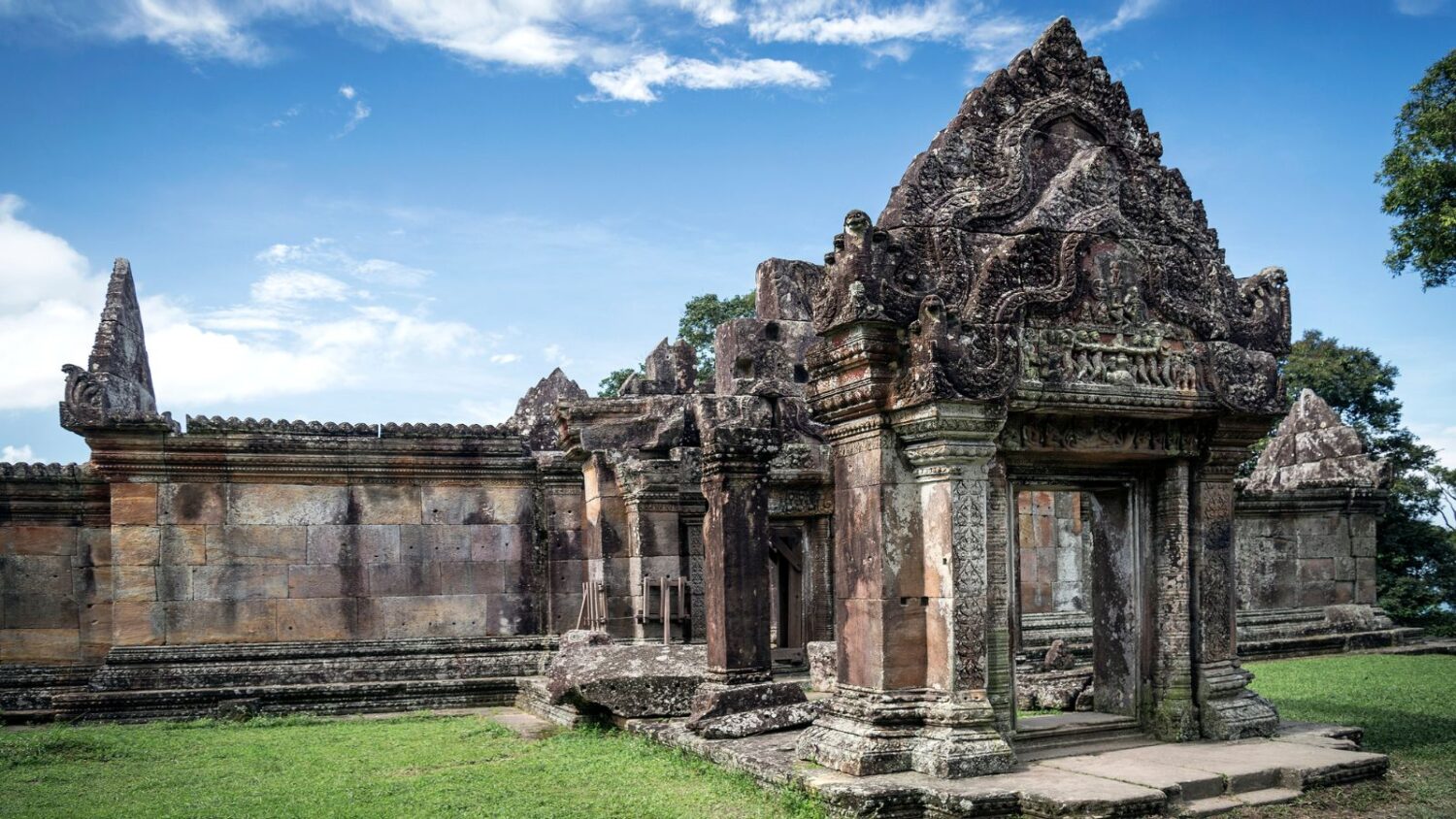
The conflict between Thailand and Cambodia, centered mainly around disputed border areas, including the ancient Preah Vihear temple, has lasted since the 1950s. In recent days, tensions have erupted again, leading to open armed clashes, including air raids conducted by Thailand.
Historical background of the dispute
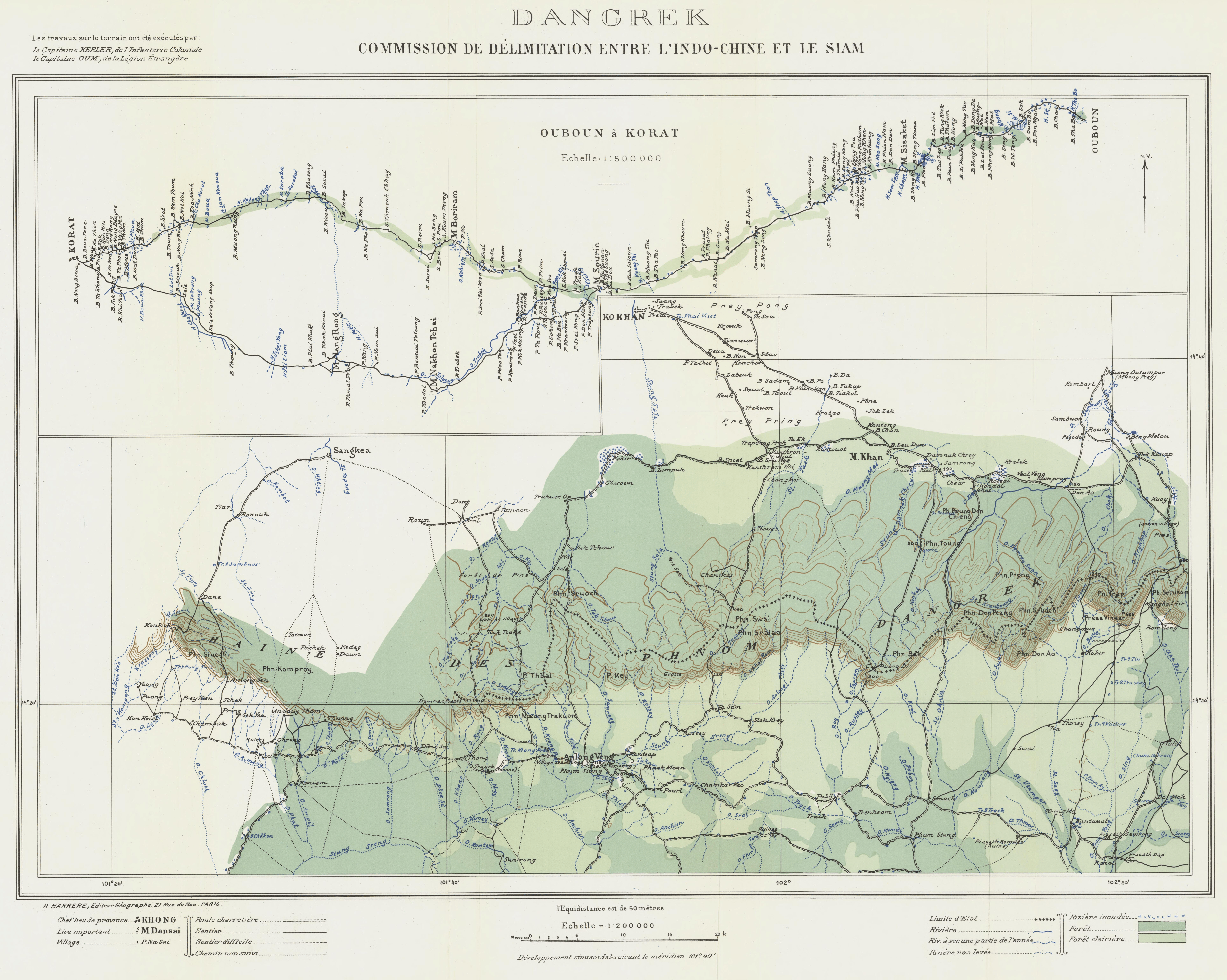
The border dispute between Thailand (formerly Siam) and Cambodia derives from colonial times. The boundary was set on the basis of the French-Siamian treaties of 1904 and 1907, which determined the dividing line along the watershed of the Dangrek Mountains. However, the French maps of that period included derogations, placing the Preah Vihear temple on the Cambodian side, which became a source of discord. Thailand argued that the temple, located on a cliff accessible more easily from the Thai side, should belong to it, while Cambodia emphasized its cultural ties to the Khmer Empire.
In 1954, after the French withdrew, Thai troops occupied Preah Vihear. Five years later, Cambodia referred the case to the International Court of Justice (ICT) in The Hague. In 1962, MTS ruled in favour of Cambodia, ordering Thailand to withdraw troops and return removed artifacts. The dispute went silent during the civil wars in Cambodia, but the border remained not fully established.
Key events and escalations
The conflict revived in 2008 when Cambodia reported Preah Vihear to UNESCO as a World Heritage Site. This sparked protests in Thailand, where the matter became part of the internal political crisis. There were armed clashes that expanded to other areas, including the Prasat Ta Muen Thom and Prasat Ta Krabey temples. The fighting continued until 2011, causing casualties on both sides.
In 2013, MTS explained his 1962 judgment, confirming that the promontory around the temple belonged to Cambodia, but did not decide on surrounding areas. In addition, there are disputes about the continental shelf in the Gulf of Thailand, where both countries claim rights to natural resources. A Joint Border Commission was established in 1997, but progress is minimal.
Here is a map of the disputed border area:
Current escalation in 2025
Tensions have erupted again. The conflict intensified in May in the area of the Emerald Triangle, leading to open fights in July. On July 28, a truce was concluded, but it was broken on December 8, following the death of a Thai soldier in border clashes. Thailand accused Cambodia of mobilising heavy weapons and shelling Thai territory, leading to air raids into Cambodian positions. According to the Thai Defence Minister, the actions will continue until sovereignty is secured.
Cambodia, on the other hand, denies the use of heavy weapons and accuses Thailand of provocation and breach of the truce. The Cambodian government called for the MTS to resolve the dispute and accused the neighbor of attacking Cambodian forces. The battles resulted in the death of at least one Thai soldier and four Cambodian civilians, and thousands of people fled border villages.
International Response and Perspectives
The international community, including the United States, called for a halt to violence. The U.S. Embassy issued a warning against traveling around the border. The truce of July was negotiated with the Trump administration, but its breach raises questions about the effectiveness of such initiatives. Thailand's Prime Minister Anutin Charnvirakul stressed that his country did not want violence, but did not deny initiating the conflict.
The conflict threatens to destabilise the region of Southeast Asia, affecting trade and security. Both sides call for dialogue, but without international mediation, escalation can deepen. The solution requires a clear delineation of the border and cooperation, which has been difficult so far due to nationalistic sentiments in both countries.