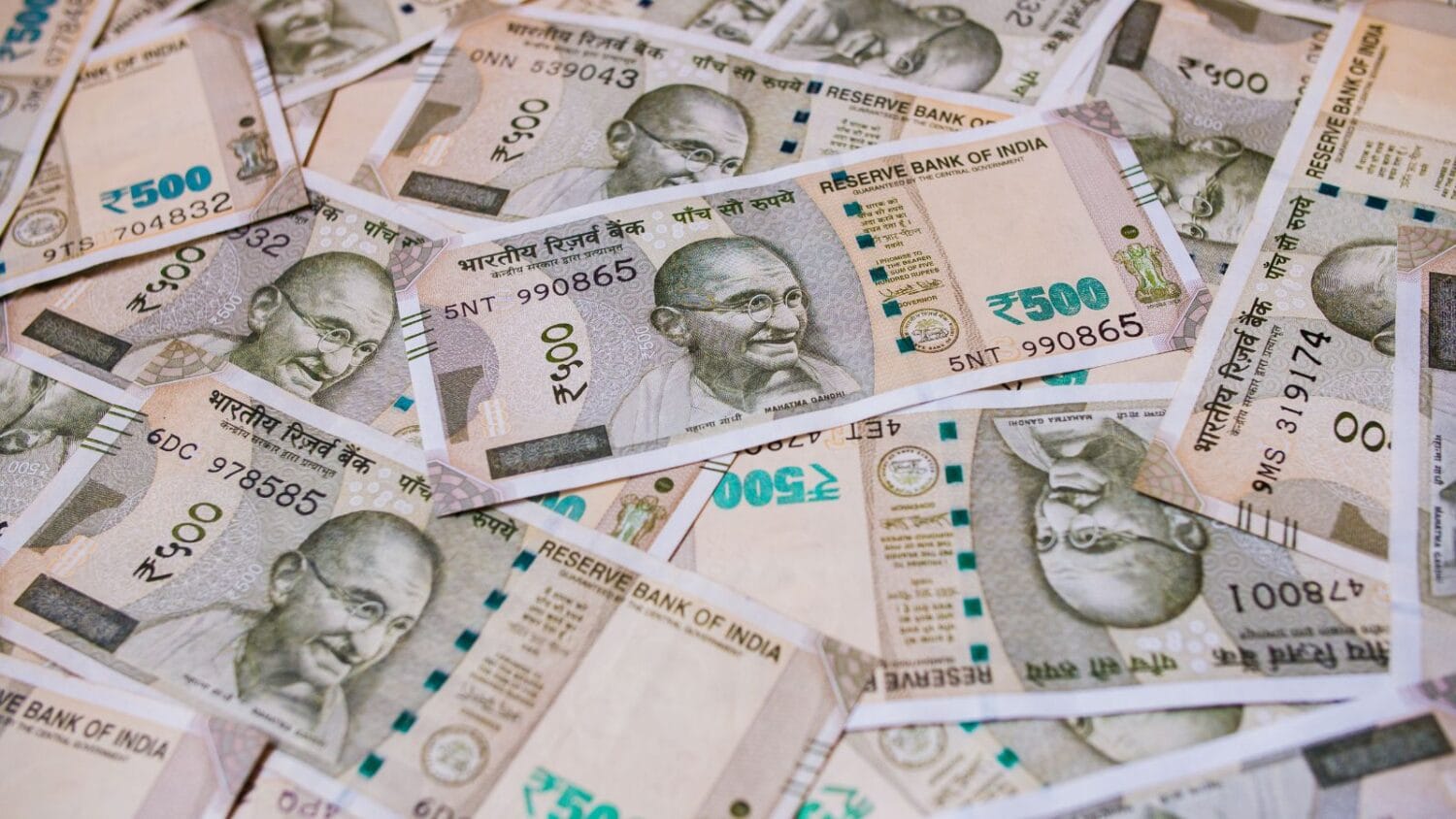
In November 2016, India experienced one of the most dramatic events in its modern economic history. Prime Minister Narendra Modi, in a surprising TV message, announced the withdrawal from circulation of 500 and 1000 rupees – as much as 86% of all cash in circulation. This decision, known as demonetization, aimed at combating corruption, black cash and terrorism. But instead of a quick triumph, it brought chaos, queues before banks and serious economic consequences. In this article, we will look at this story step by step, based on reliable sources to understand how one night changed the lives of a billion people.
Economic background: India at the crossroads
India in 2016 was one of the world's fastest-growing economies, with a GDP growth rate of 8% per year in the previous fiscal year. However, the country faced serious problems: corruption, the gray zone and false money. According to estimates, the value of black cash was about 20-25% of GDP, or the equivalent of hundreds of billions of dollars. Prime Minister Modi, who took office in 2014, promised radical reforms to clear the system. Demonetization was part of this vision – intended to hit those who hid illegal income outside the banks.
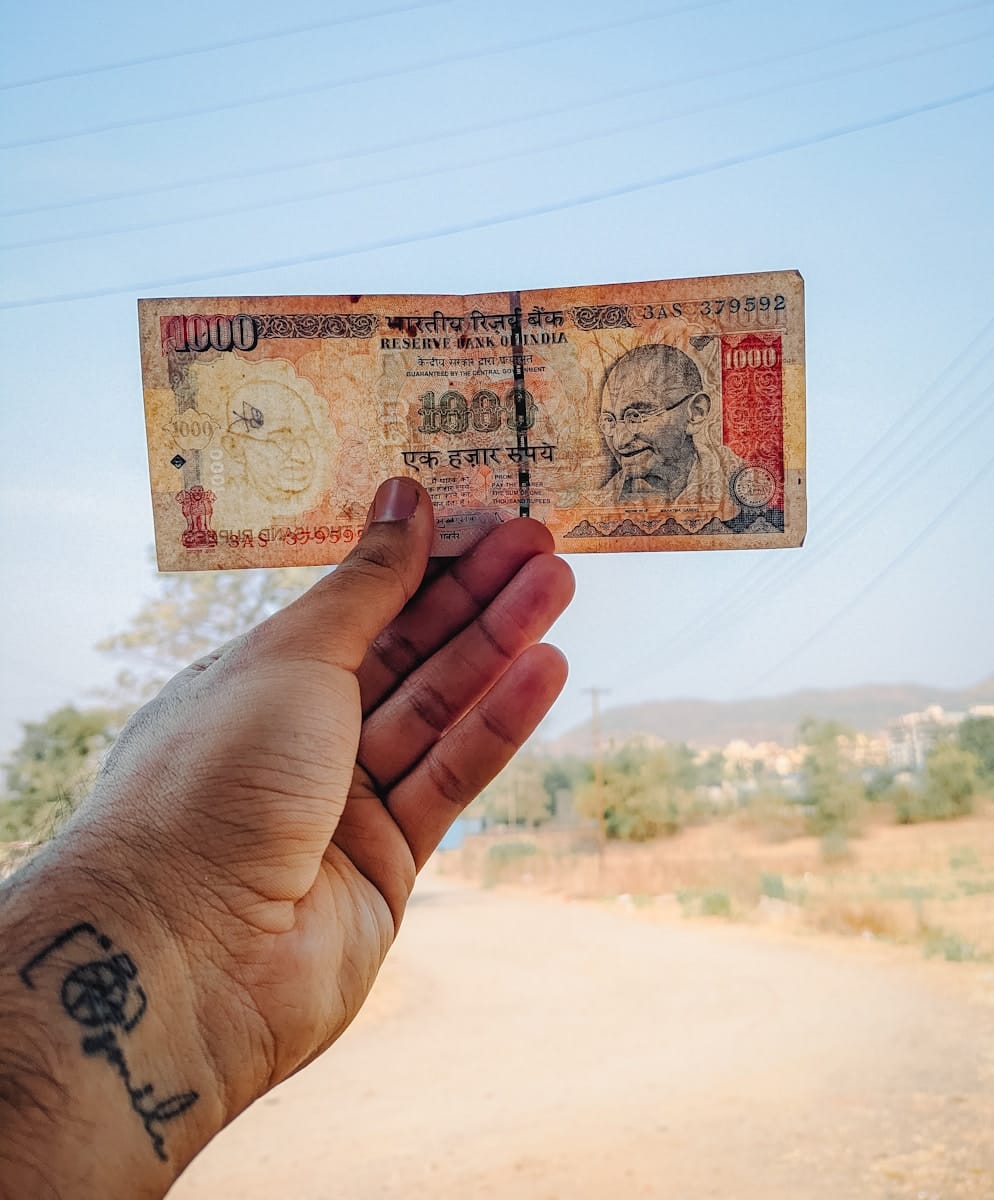
False banknotes, in particular 500 and 1000 rupees, were commonly used to fund terrorism, including by Pakistan groups. The government argued that the withdrawal of these denominations would prevent their continued use. Work on the plan continued in secret for six months and only a few people knew about the decision, including Modi and the head of the Reserve Bank of India (RBI), Urjit Patel. The surprise was to prevent panic and the capital escape.
Historical Message: 8 November 2016
At exactly 20:00 Indian time, on November 8, 2016, Prime Minister Modi appeared on television screens across the country. In his message, he stressed the achievements of his government: India as the fastest growing economy, but at the same time plagues corruption and black cash inhibiting progress. "Black money is the cancer of our society," Modi said, combining it with terrorist financing.
He then announced the bomb: from the north 500 and 1000 rupees (then worth about 30 and 60 zlotys) expires. People had four hours to make the last deals. It was a complete surprise – even most ministers learned about it just hours before the issue. Following the message, a press conference was held with Patel and Shakticanty Das' Economic Secretary, who explained that the increase in counterfeit banknotes threatens national security.
In 21st century India there is no place for corruption.
Thank you!
Prime Minister Narendra Modi welcomes public support for demonetisation
On Friday, Prime Minister Narendra Modi expressed his satisfaction that, despite some inconvenience, the people of India had accepted the government's decision to demonetize. In a post on LinkedIn, the Prime Minister wrote: "In 21st century India there is no place for corruption.
Corruption slows economic growth and undermines the dreams of poor people, the new middle and middle class".
Source: The Economic Times
2 December 2016 – Prime Minister Modi on Twitter (post of 3 December 2016)
Chaos in Banks: Queues, Limits and Circumventions
The following day, November 9, all banks and ATMs were closed to prepare for the exchange. After the opening on November 10, total chaos broke out. Millions of people lined up in miles of queues, waiting for up to 5-10 hours, and sometimes days to exchange old bills or deposit them into accounts. The poor stood alone, the rich employed "railmen" for a fee.
The limits were severe: initially only 4000 rupees a day for exchange in cash per person (until November 24), then the over-the-counter exchange was stopped, with exceptions for foreigners and NRI (Non-Resident Indians). Payments from accounts were limited to Rs 10,000 per day or Rs 20,000 per week. Electronic transactions remained without limits to promote digitalisation. By December 30, 2016, it was possible to deposit old banknotes in the accounts, but the NRI had until March or June 2017 in selected RBI branches.
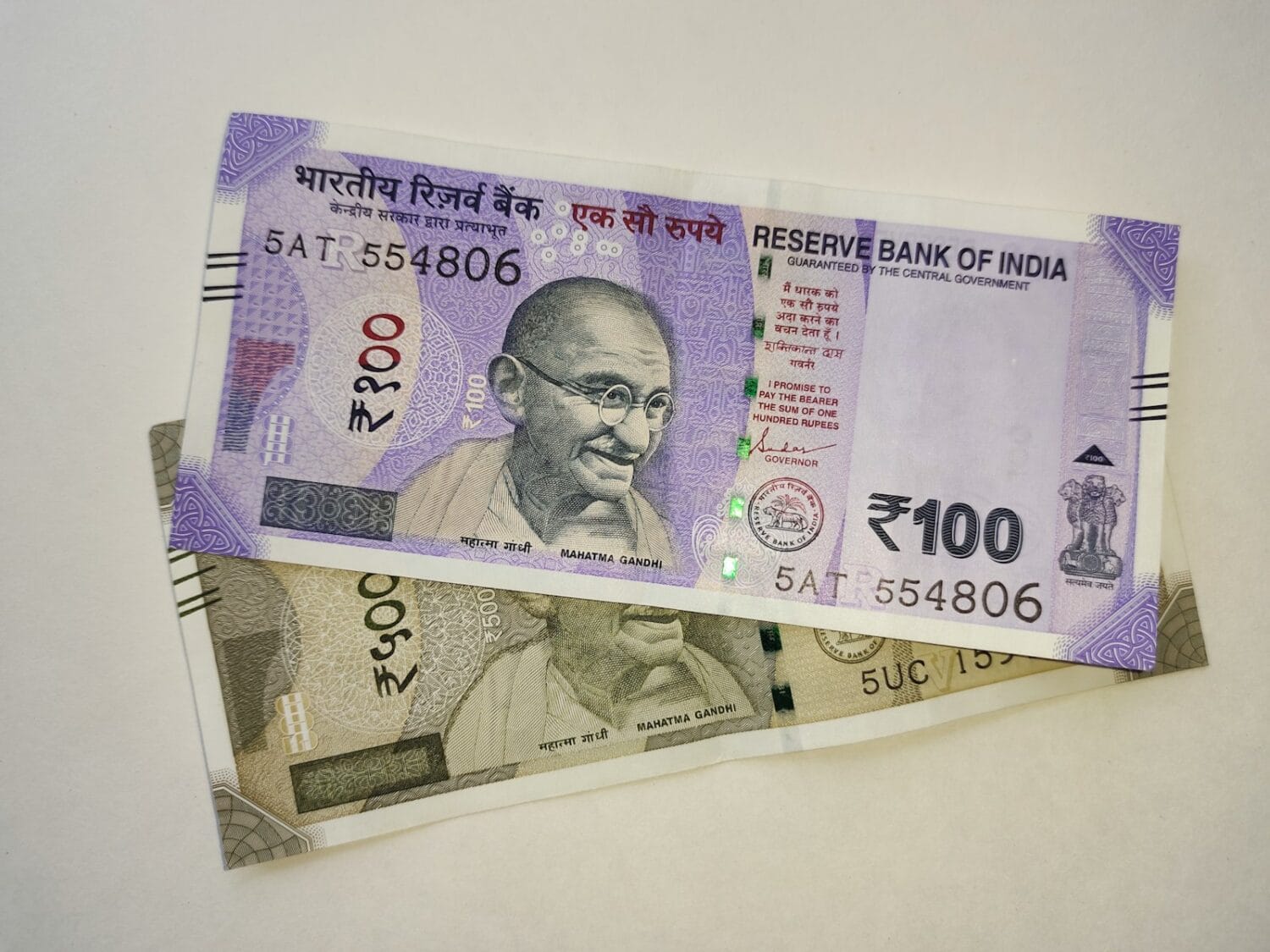
People looked around: some used temples where they paid money as "anonymous donations," and then shared profit with intermediaries. Others bought gold or railway tickets to return them later. For a moment, the 100 rupee note was the highest in circulation, which paralyzed street trade.
New banknotes were introduced on November 10: 500 rupees in new design and 2000 rupees (about 120 zlotys). But the printers did not keep up – they lacked cash for months.
Economic Effects: Crisis and Losses
Demonetization nullified 86% of cash, resulting in a decrease in economic activity of 2-3 percentage points in the fourth quarter of 2016. GDP fell from 8% in 2015-16 to 7.1% in 2016-17. 3.5 million jobs were lost, mainly in the informal sector, small companies and among migrants. Sectors such as construction, retail and agriculture suffered the most – sales fell by 30-40%.
The government spent millions on transporting banknotes (including 294 million rupees for the air force). Social programs, like school meals, suffered from lack of funding. Women, often saving cash without bank accounts, lost "secret savings".
However, they were positive: the number of bank accounts increased by 182 million thanks to the Jan Dhan Yojana programme. Digital transactions exploded – using cards and applications like Paytm increased by 700%. Taxes: 9.1 million new taxpayers were added in 2016-17.
Controversy and Long-term Effects
Critics, including Nobel laureate Joseph Stiglitz, called it "an experiment that damaged small businesses". Almost 99% of the old cash returned to the banks, which undermined the black cash thesis. The opposition protested in parliament and the 2017 parliamentary report stated that the reform was unprepared and hit the poor.
In 2023, the Supreme Court of India confirmed the legality of the decision. Today, the effects are mixed: India accelerated digitisation, but the increase in black cash returned. Demonetisation has become a lesson in how radical reforms can shake the public.

Summary: Lesson from India
Demonetization of 2016 is a story of ambition, chaos and change. Modi wanted to clear India, but the price was high – months of suffering for ordinary people. Today India is more digital, but the fight against corruption continues. This story reminds us that great reforms require caution.
Source:
https://wykop.pl/inscription/83940611/inscription
https://www.bbc.com/news/world-asia-india-41896865
https://www.cashmatters.org/blog/indias-cash-crisis-2-years-later