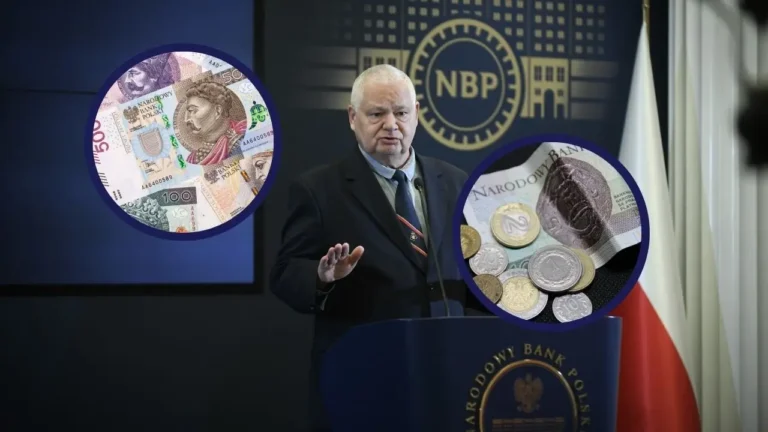

On 3 December 2025, the Monetary Policy Council (RPP) decided to cut the National Bank of Poland (NBP) interest rates by 25 basis points. The reference rate fell from 4.25% to 4.00%, in line with analysts’ expectations and continuing the cycle of monetary policy easing. This is already the sixth cut in 2025 and the fifth in a row, bringing the total reduction to 175 basis points. The decision was made against a backdrop of low inflation, solid economic growth, and wage and consumption dynamics, which allow the RPP to keep adjusting the level of interest rates.
Reasons for the cut and economic context
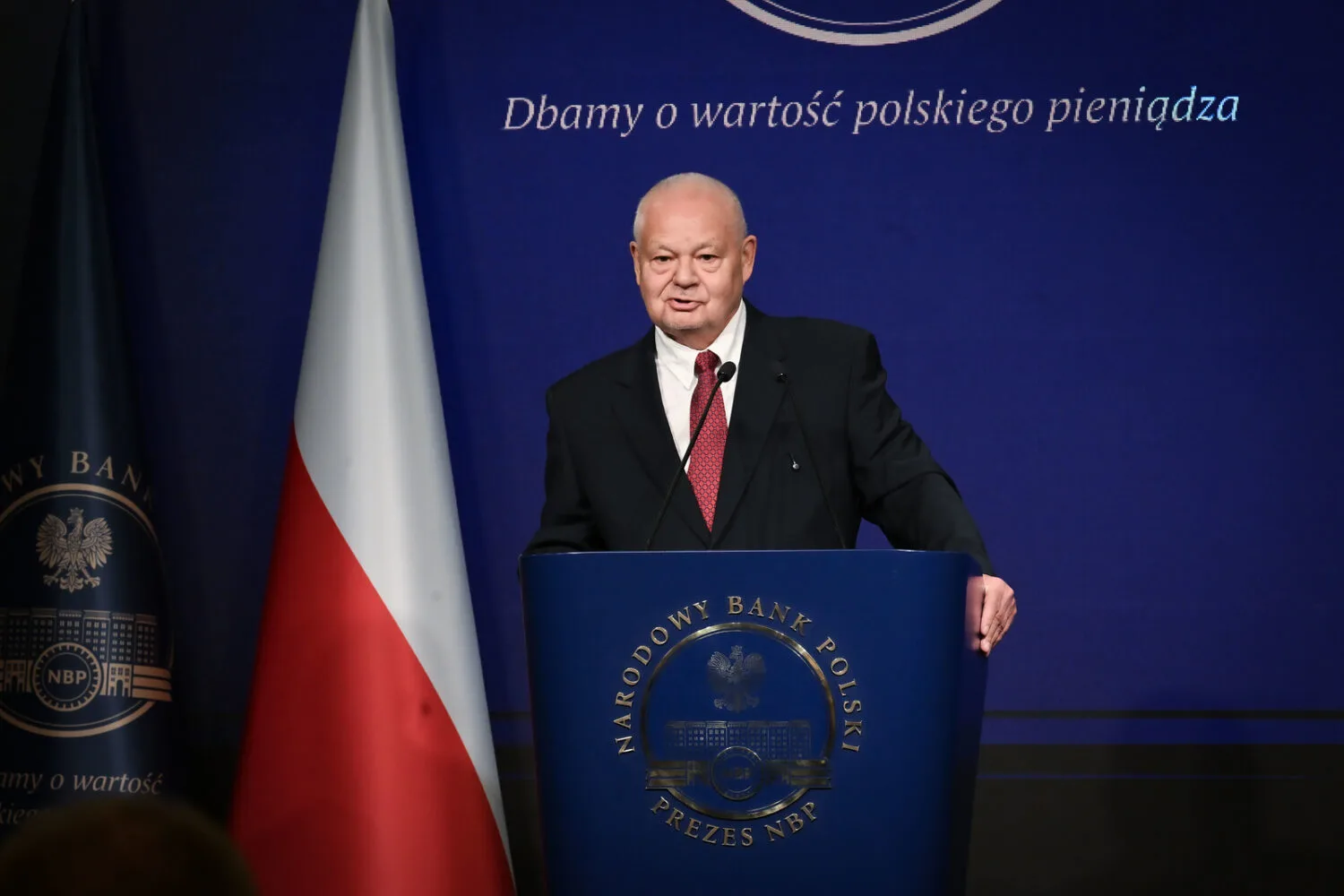
The Monetary Policy Council justified its decision by pointing to current inflation trends and their outlook for the coming quarters. In October 2025, CPI inflation stood at 2.8%, close to the NBP’s target of 2.5% with a tolerance of 1 percentage point. Despite optimistic data on retail sales and consumption, inflation remains under control, which allows for further cuts. NBP President Prof. Adam Glapiński is due to deliver a speech on 4 December 2025, which may shed more light on the Council’s further plans.
The rate cuts in 2025 began in May (by 50 bp), and were then continued in July, September, October, November and December (each time by 25 bp). This is the lowest level of rates since April 2022, which brings significant relief to the economy after a period of high rates in previous years.
Impact on loans and repayments: Relief for debtors
The rate cut has a direct impact on the cost of loans, especially those with variable interest rates, such as mortgages or consumer loans. For borrowers, this means lower instalments, which is a kind of „Saint Nicholas Day gift” from the RPP.
According to experts’ calculations, monthly savings on a mortgage instalment may range from a dozen or so zlotys to nearly 200 zlotys, depending on the outstanding amount and the terms of the loan agreement. For example, for a typical 300,000 zloty mortgage with a 25-year repayment period, a 25 bp cut may reduce the instalment by about 100 zlotys per month. This effect will be visible in the next recalculations of instalments by banks, usually within 1-3 months of the RPP decision.
However, not everyone will benefit to the same extent. Loans with fixed interest rates will not feel the changes until the fixed-rate period ends. In addition, the rate cut has a negative impact on savers, as deposit and bond yields will fall, reducing returns on deposits. For the economy as a whole, cheaper credit may stimulate consumption and investment, supporting GDP growth.
What to expect at the next RPP meetings?
The December decision was the last one in 2025. The next RPP meetings will take place in 2026, according to the schedule: the first probably in January or February (exact dates will be published by the NBP). Economists forecast further cuts if inflation remains low and no new risks emerge, such as rising energy prices or geopolitical tensions.
According to analyses, the reference rate may fall to around 3% in 2026, which would mean a continuation of monetary policy easing. The RPP has „plenty of time to pull the trigger many times”, as experts put it, given the stable macroeconomic situation. However, decisions will depend on new data, including the NBP’s inflation projections and economic reports. Governor Glapiński had previously signalled caution, but the recent cuts indicate readiness for further steps.
In a global context, other central banks, such as the Fed and the ECB, are taking similar steps, which may affect the zloty exchange rate and the attractiveness of Polish assets.
A chance for recovery, but with caution
The cut in interest rates to 4% is a positive signal for borrowers, who can count on lower instalments and greater creditworthiness. At the same time, it poses a challenge for savers. Looking ahead to 2026, we expect this trend to continue, provided inflation does not surprise on the upside. Borrowers should monitor NBP communications and consider refinancing their loans, while investors should consider diversifying their savings. RPP decisions show that the Polish economy is on a path of stabilisation after turbulent years.