The bail system came into force today, but Polish companies quickly found a way around it. The sale of beverages in 3001 ml bottles avoids additional charge. Similar solutions have previously been used in Germany.
What is the new bailout system?
As of 1 October 2025, the deposit system for selected beverage packaging has been in force in Poland. Customers pay bail on the cash register, but they get it back when the bottle or can is delivered at the collection point. It includes:
- plastic bottles (PET) up to 3 litres,
- metal cans up to 1 litre,
- from 2026 also glass reusable bottles up to 1.5 liters.
The bail shall be:
Legal gaps and circumvention
Smart companies: bottles 3001 ml
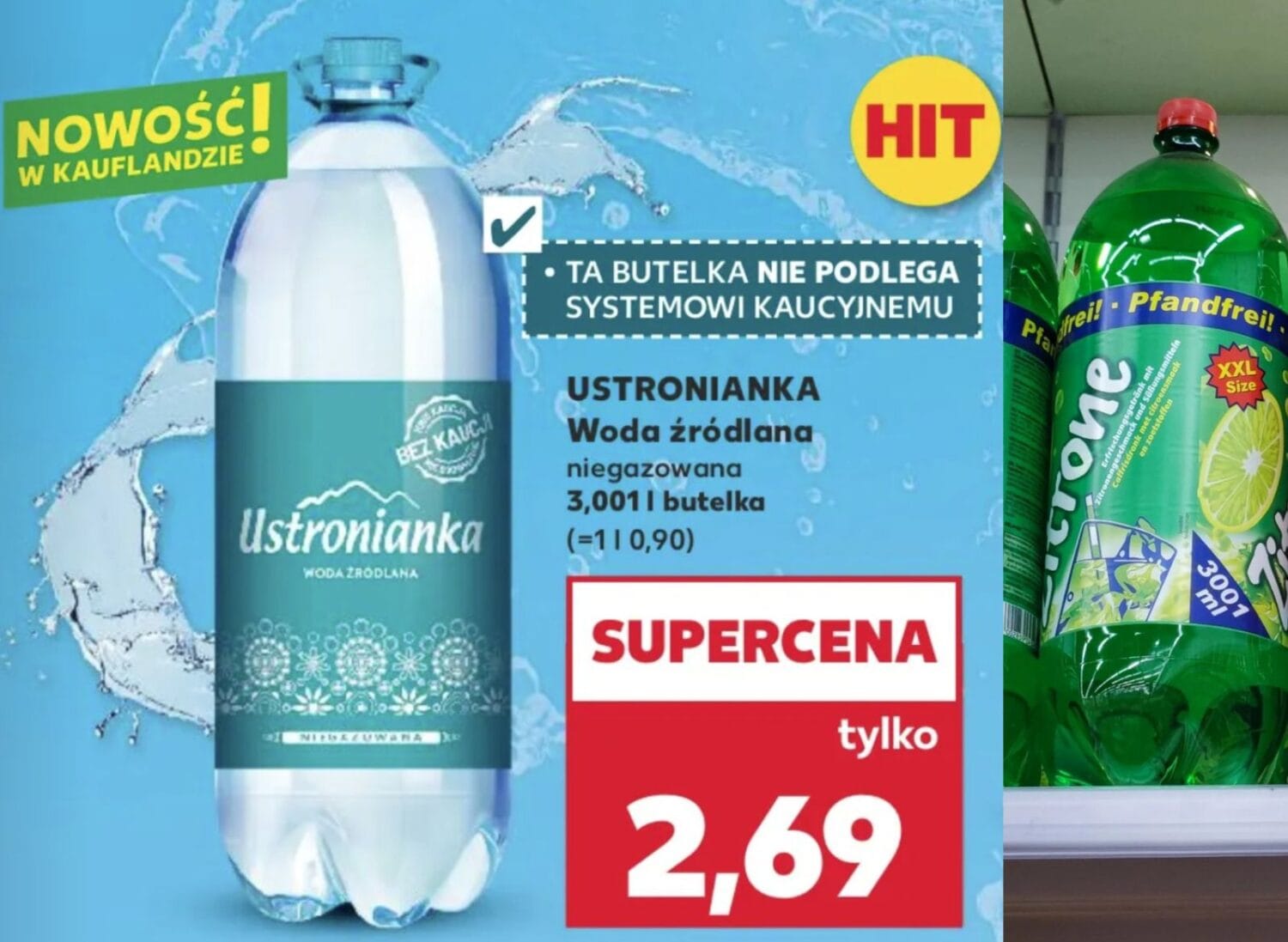
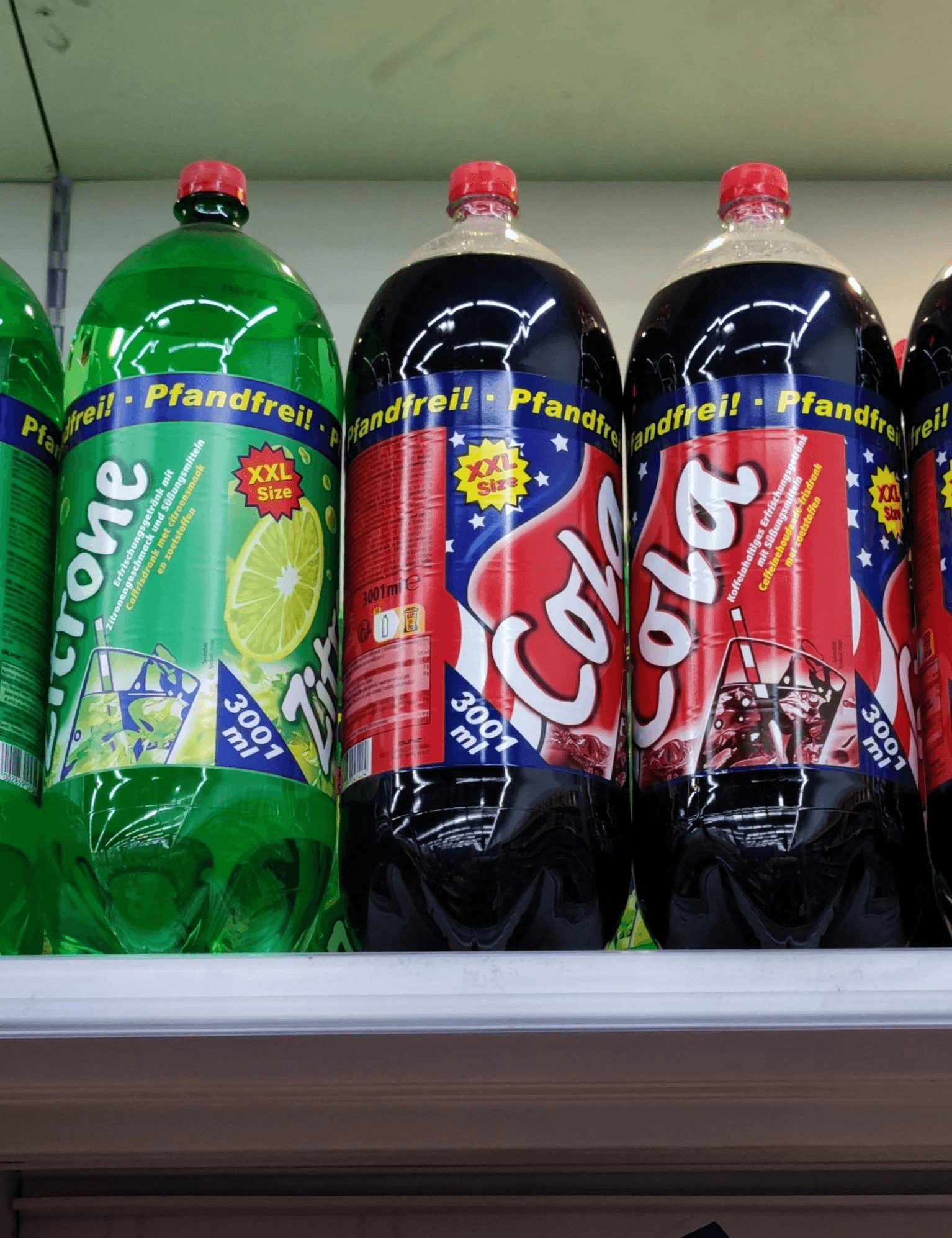
Large corporations and retail chains offer drinks in bottles of 3,001 l which are not subject to bail. The rules clearly specify the maximum capacity covered by the scheme, so 1 ml of the difference is enough to not charge bail. Effect? On the store shelves appeared products marked "Pfandfrei" (free from bail), and Polish companies modeled on German practices.
An example is the water Ustrodianka, which appeared in the latest newspaper of the Kaufland store chain.
Example from Germany
In Germany, similar ideas have been used over the years: manufacturers have released beverages in packs just above the required limits to bypass the system. As a result, the regulations were tightened up over time and the system was regularly sealed.
What does the new law include?
List of packages in the deposit system:
- Plastic bottles up to 3 litres
- Metal cans up to 1 litre
- (From 2026) Glass reusable bottles up to 1.5 litres
Table — Coverage of the deposit scheme:
| Packaging | Volume limit | Bail | Applicable from |
|---|---|---|---|
| Plastic bottles (PET) | up to 3 litres | 0,50 PLN | 1.10.2025 |
| Metal cans | up to 1 litre | 0,50 PLN | 1.10.2025 |
| Reusable glass bottles | up to 1.5 litres | 1 zł | 1.01.2026 |
Is that a solution for longer?
Experts predict that the current legal gap will quickly be subject to changes in the law. The Ministry announces market monitoring and amendments to avoid mass circumvention. We have seen similar reactions in Germany, where the "arts" of manufacturers led to stricter regulations.
Effects on consumers and the environment
The circumvention of the new law by companies can reduce the effectiveness of the fight against pollution – the more large 3001 ml bottles the less packaging returns to recycling. Instead of a real change of habits, some manufacturers choose the simplest bypass and consumers are confused and lose confidence in new solutions.
Summary and forecasts
The bailout system is supposed to improve recycling, but problems arose on the first day of the fight for ecology. The sale of drinks in "free of bail" bottles shows that the legislator must react to the creativity of the market on an ongoing basis – otherwise changes will remain only on paper.