

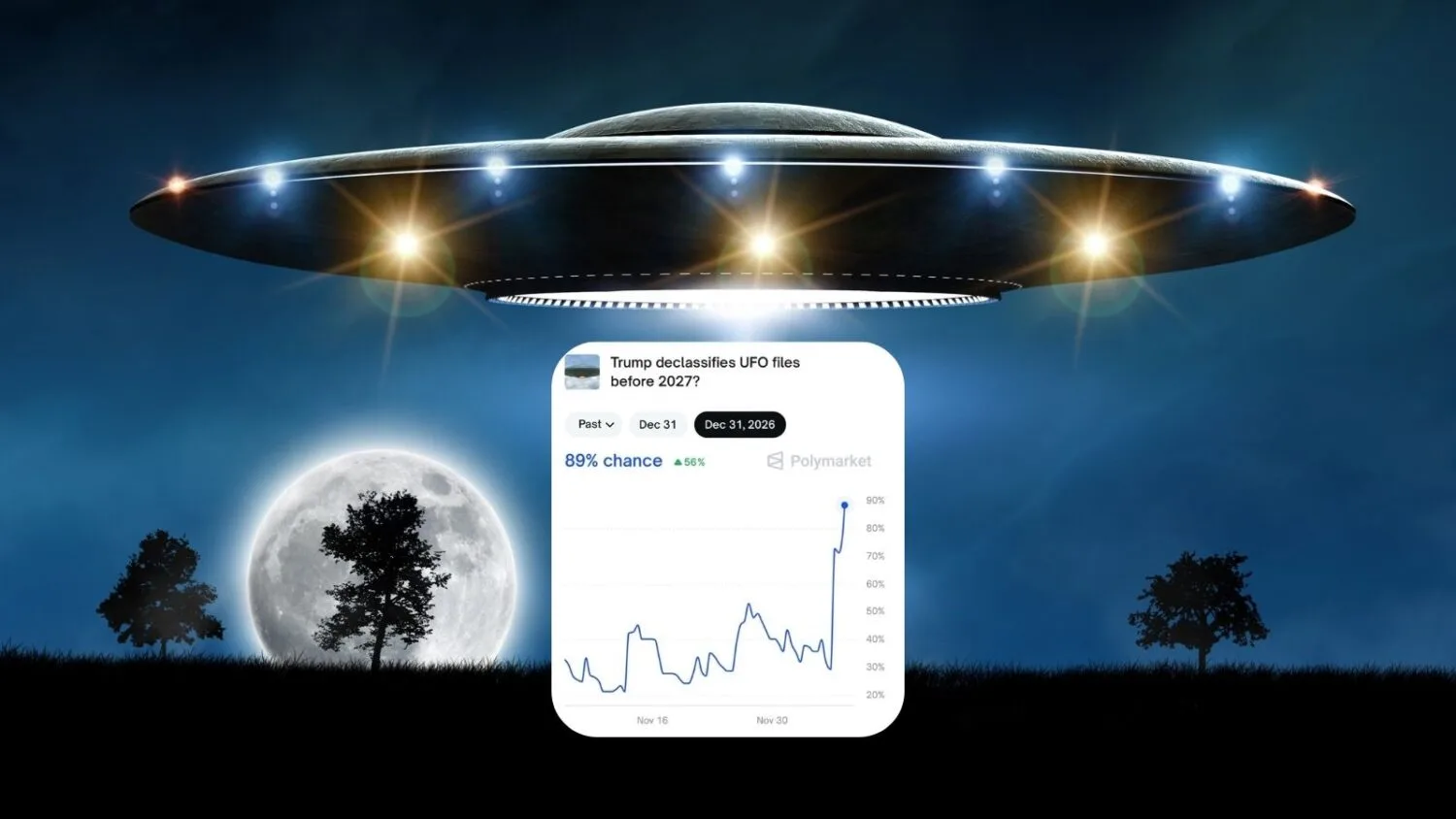
In an era when the sky is full of drones, satellites and advanced aviation technology, phenomena known as UFOs (Unidentified Flying Objects), now more often called UAP (Unidentified Anomalous Phenomena), still fascinate and divide opinion. The declassification of documents on these phenomena by the United States government has evolved from strictly secret investigations in the mid-20th century to growing openness in recent years.
A History of Declassification: From Project Blue Book to the Federal Archives
US government interest in UFO phenomena dates back to the 1940s. In 1947, after the well-publicized incident involving pilot Kenneth Arnold, who reported seeing „flying saucers” over the Cascade Range, the US Air Force began systematic studies. This led to Project Blue Book, a program that between 1947 and 1969 collected more than 12,000 UFO reports. Most were explained as natural phenomena or conventional objects, but around 700 remained unexplained. Documents from this project were largely declassified in the 1970s and are available in Air Force archives.
Other federal agencies also gathered data. The Federal Bureau of Investigation (FBI) examined UFO reports between 1947 and 1954, and its documents, available in the FBI Vault, reveal the agency’s role in verifying reports, often in the context of concerns about national security threats during the Cold War. The Central Intelligence Agency (CIA) released hundreds of documents under the Freedom of Information Act (FOIA), including those concerning foreign UFO reports, emphasizing the lack of evidence for extraterrestrial origins. The National Security Agency (NSA) provided historical, declassified reports, often in the form of copies, documenting early observations.
The US National Archives and Records Administration (NARA) stores these materials in various groups. In 2024, under the National Defense Authorization Act (NDAA), a special collection was created: the Unidentified Anomalous Phenomena Records Collection (Record Group 615), to which federal agencies transfer declassified UAP documents. The process is ongoing, with records added on an ongoing basis, and made available online through the NARA catalog.
Modern Developments: From AATIP to AARO
In the 21st century, interest in UAP grew thanks to programs such as the Advanced Aerospace Threat Identification Program (AATIP), run by the Pentagon between 2007 and 2012. In 2017, the „New York Times” revealed the program’s existence, which led to the publication of videos showing UAP observed by Navy pilots. In 2021, the Office of the Director of National Intelligence (ODNI) published a preliminary report on UAP, stating that most phenomena remain unexplained but that there is no evidence of extraterrestrial technology.
A key role is played by the All-domain Anomaly Resolution Office (AARO), established in 2022, which coordinates the US government’s efforts to study UAP. AARO conducts investigations, analyzes reports and promotes transparency, although some reports point to a lack of sufficient data.
Congressional Hearings in 2025: New Testimony and Calls for Transparency
2025 brought significant developments in the declassification process. In September, the US Congress held its third UAP hearing since 2023, conducted by the Task Force on the Declassification of Federal Secrets under the House Oversight Committee. Witnesses, including military veterans and eyewitnesses to UAP, shared new evidence, including never-before-published video showing a Hellfire missile interacting with an unknown object. The hearing focused on the need for greater government transparency, stressing that citizens have a right to the truth about UAP.
Additionally, in the context of Donald Trump’s return to the White House, there has been speculation about possible declassification of UFO files by the end of 2025. Bets on platforms such as Polymarket indicate growing interest, although no formal order has been issued on the matter so far. In November 2025, the premiere of the documentary „The Age of Disclosure” highlighted Congress’s efforts to reveal information.
The Significance of Declassification: Between Science and Security
Declassifying UFO/UAP documents is crucial for science, national security and public trust. It allows analysis of potential threats, such as advanced technologies of hostile states, and dispels myths about extraterrestrial visits. However, critics point to a slow process and possible concealment of information. As stated in AARO reports, most UAP are probably balloons, drones or atmospheric phenomena, but the lack of full transparency fuels speculation.
In the future, with growing pressure from Congress and federal agencies, we can expect further disclosures. Declassification not only satisfies public curiosity but also supports global efforts to understand the unknown sky.