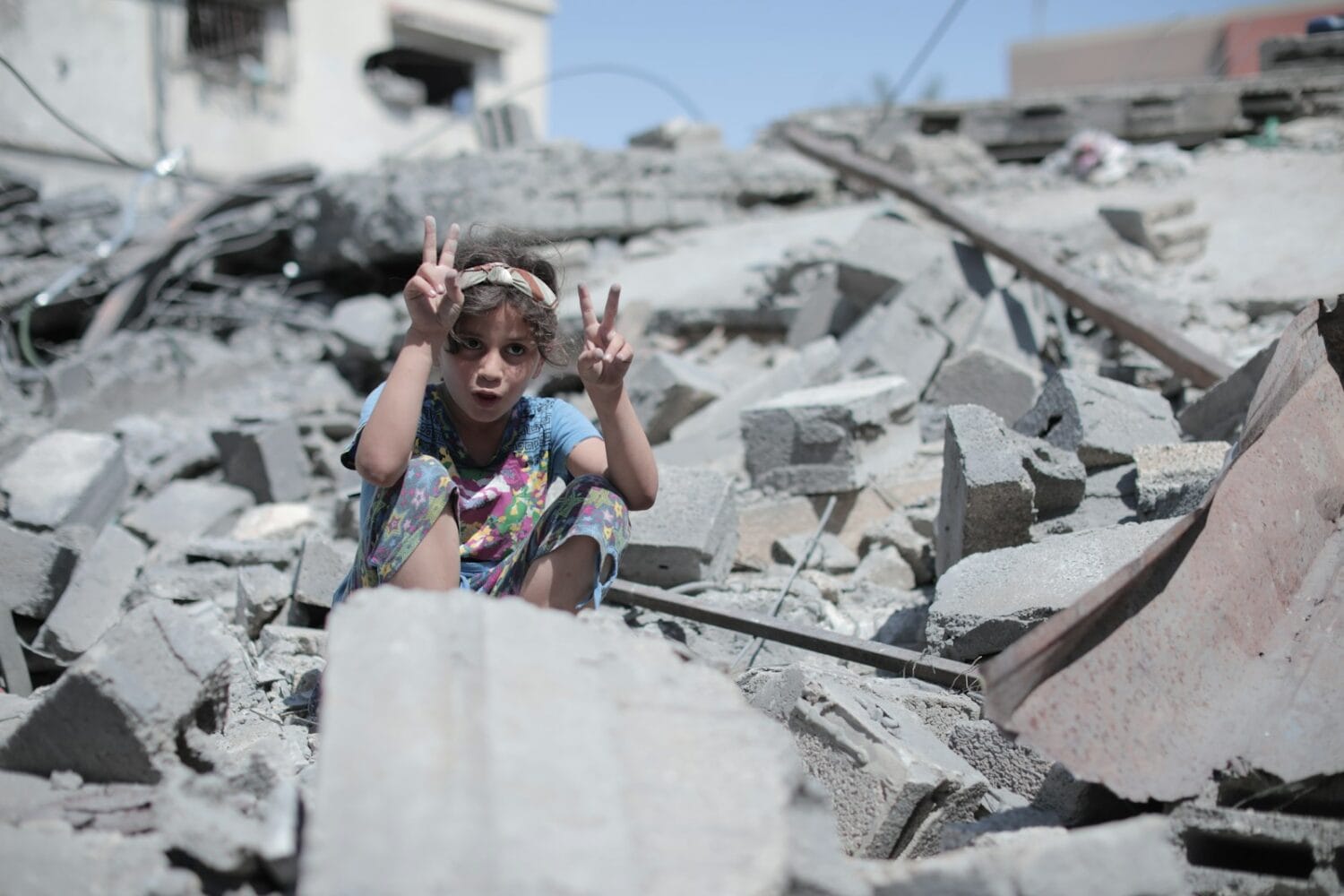
The situation in Gaza is becoming increasingly dramatic and the world is looking for effective solutions. France has announced that humanitarian aid will be launched in the coming days for the people of the region. This is an important step in the face of a growing crisis affecting millions of civilians.
France "in the coming days will carry out airdrops" of humanitarian aid over Gaza "in order to meet the most basic and urgent needs of the civilian population", reported a diplomatic source in a press interview.
Why does France decide to drop the aid?
Ministry of Foreign Affairs of France:
▪️Gaza has become a place of death.
▪️Israel's operation in Gaza has no military justification.
France joins the international initiative to respond to the most urgent needs of people without access to basic means of living.
What does surgery look like, and what does it involve?
The operation provides for the use of aviation to drop packages containing:
Special precautions have been taken to minimise risks to civilians. However, experts emphasise that such support will not replace comprehensive land aid, which still requires Israel to open borders.
On the list of countries organising dropouts, outside France, were included, among others. Germany and Spain, and earlier Jordan and the United Arab Emirates provided support. Importantly, discharges occurred in consent Israel, who temporarily halted armed action in selected areas to enable humanitarian aid.
Political dimension of actions
It is worth noting that the French initiative fits into a broader context. President Emmanuel Macron announced recently that France officially the Palestinian State during the next UN session. Humanitarian action is therefore part of both the concern for the lives of the civilian population and wider political support for Palestinians..
Will the drop actually help?
Experts agree that while discharges can save the lives of many in the most vulnerable, they are an ad hoc solution and carry a risk of errors and side effects. It remains crucial to unlock safe land corridors and provide permanent humanitarian assistance.