What happened on May 1st in history? Discover the groundbreaking moments that have changed the world
Did you know that May 1st was the day that some of the most important moments in human history took place? From the fall of the Roman emperors to the birth of modern technologies — This day in history is full of fascinating stories that shaped our world. In our historical calendar we found for you the most interesting events that took place exactly that day. Prepare to travel for centuries, full of surprising facts and groundbreaking moments!
The most happened on May 1st — The most important moments in history
1707 – Union Act connects England and Scotland
This moment has forever changed the political map of Europe. Two independent kingdoms — England and Scotland — concluded an act of union, setting up the Kingdom of Great Britain. It was the end of centuries of rivalry and the beginning of a naval power that dominated the world for the next three centuries. What happened that day was the result of tedious negotiations and pragmatic commercial interests of both parties. This is the basis for one of the most powerful empires in history.
1786 – Premiere of Wessel Figar Mozart in Vienna
Wolfgang Amadeus Mozart has provided Vienna with a masterpiece of opera music, which still plays in concert halls worldwide. Figar's wedding, playing in the Burgtheater theatre, immediately impressed the audience with its unique melodiousness and brilliant dialogues between the characters. It wasn't an ordinary prime minister. — It was an event that set new standards for classical opera. Today, more than 200 years later, this opera remains one of the most exhibited works on world scenes.
1840 – World's first postage stamp: Penny Black
Britain did something that seemed impossible — He created the world's first postage stamp, named Penny Black. This small piece of paper not only facilitated access to postal services for ordinary people, but also started a completely new way of paying for shipments. Before the invention, the postage stamp was a rich woman. After May 1, 1840, anyone, regardless of their status, could send a letter. It was a civilization leap that brought the world together into a new communications network.
1886 – Chicago strike climax at 8-hour working day
This day in the history of work worldwide marked the red blood of fighting for decent working conditions. In Chicago, workers were conducting a strike for an 8-hour working day — in those days, they worked 12-16 hours a day. Although this particular date involved dramatic clashes, the same work holiday was created from this labor movement. Today, when we celebrate May 1 as International Labor Day, we pay tribute to those workers who risked their lives for our labour rights today.
1896 – Iran chess attack — Naser ad-Din Shah died
There was a tragedy in Iran's history that opened a chapter full of political turmoil. Naser ad-Din Shah Kadzar, one of Iran's longest ruling rulers, was killed by an anarchist. This event has forever shaken the Persian manor and caught up with issues of modernisation, reform and confrontation between tradition and change. The death of chess on 1 May was of great importance for the future of Iran and the entire Middle East.
1930 – Pluto received its name
Imagine: An 11-year-old girl from Britain, Veneto Burney, suggested a name for a newly discovered planet! Her proposal — Pluto — was accepted on May 1, 1930 by an international astronomer community. This small planet, named after the Roman god of the Underworld, has become the ninth planet of our solar system (until it has been declassified). It proves that genius doesn't know age, and the best ideas can come from the least anticipated source.
1945 – The Fall of the Third Reich: Hitler's Last Days
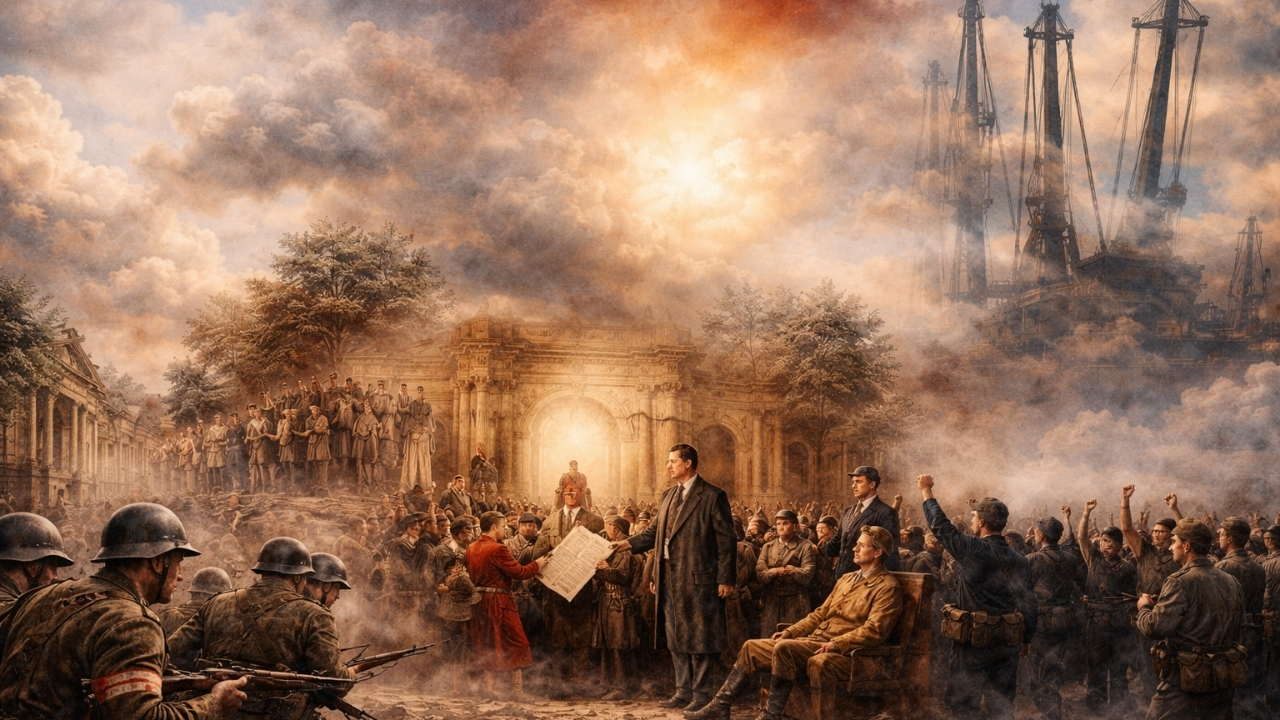
In the last days of World War II, May 1, 1945, Berlin turned into a scene of tragedy. On that day, Joseph Goebbels, the Nazi propaganda minister, along with his wife Magda, committed suicide along with their children in the Kancler bunker. This symbolized the end of the evil age and the façade of the Nazi that fell. What happened that day was the culling of years of war, terror and destruction. A few days later Adolf Hitler also committed suicide, and the Third Reich ended. This day in the history of the 20th century was signed up with a dramatic black card of the fall of totalitarianism.
1961 – Fidel Castro announces Cuba's socialist country
A few years after the Cuban Revolution, Fidel Castro faced his people and announced that Cuba would be a socialist country. It was a shock to the United States that treated Cuba as their sphere of influence. Castro's announcement on May 1, 1961 ignited the confrontation well — Literally a week later, an attempt to invade the Bay of Pigs almost led to a war between the US and the Soviets. This moment changed the political history of both Americas for decades.
2004 – Poland joins the European Union
For Poland it was a day full of emotion and hope. On May 1, 2004, Poland, together with nine other countries, officially joined the European Union. This meant the end of eры isolation, which began still in the times of communism, and an opening for integration with the West. Polish flags waved over the whole country, and the streets of the cities populated with celebrities. It was a turning point that opened up many new economic, political and social opportunities for Poland.
2011 – Operation Neptune Spear: Death of Usama ibn Ladina
Almost ten years of search ended in Abbottabad, Pakistan. President Barack Obama informed the world of the death of Usama ibn Ladina, the leader of Al-Qaeda, who was killed on May 1, 2011 by a Navy SEALs special division. This moment was a triumph in the war on terrorism, although controversy around the operation and its effects continue to this day. What happened that day had a huge impact on geopolitics and the way the world perceived international security.
Born 1 May
Arthur Wellesley, 1st Duke of Wellington (1769) – British general and politician, one of the most famous military leaders to defeat Napoleon and later Prime Minister of Great Britain.
Santiago Ramón y Cajal (1852) – Spanish histologist and Nobel Prize laureate who revolutionized our knowledge of the structure of the human brain.
Glenn Ford (1916) – legendary Hollywood actor, star of cinematography in the golden era of cinema, known for films such as "The Man Who Shoots" and "Unpromised Mornings".
Rita Coolidge (1945) – American singer, whom we will meet from famous songs from the 1970s, including film hits from charming altos.
Joanna Lumley (1946) – British actress known for her role as Purdey in "The New Avengers" and the iconic television series "Absolutely Fantastic".
World events
305 – Emperor Diocletian and Maximian renounce power – Two all-powerful emperors of Rome voluntarily abdicate, establishing a new system of co-government of the empire.
1187 — Defeat of crusaders at source Cresson – The cross expedition bears a devastating portion from Saladin's Ajibid forces, changing the balance of forces in the Middle East.
1519 – Francis of Paola is canonized – Pope Leon X officially recognizes the Italian monk as a saint, and his portraits begin to appear throughout Europe.
1890 – First Labour Day celebrations worldwide – The international day of work is celebrated for the first time, commemorating the struggle of workers for labour rights.
1994 – Death of Ayrton Senna in an accident at the track – Brazilian Formula One driver, one of the greatest automotive talents, died in an accident during the San Marino Grand Prix, shocking the whole sports world.
For the centuries of May 1, it proved to be the date on which history took significant steps forward. From the birth of imperial powers to the fall of tyrants, from the first postage stamps to the moment that man conquered space, many groundbreaking events took place that day. The history of our times would be very different if it weren't for these moments. Tomorrow we have more fascinating stories. — check our portal to find out what happened on other days of history!