

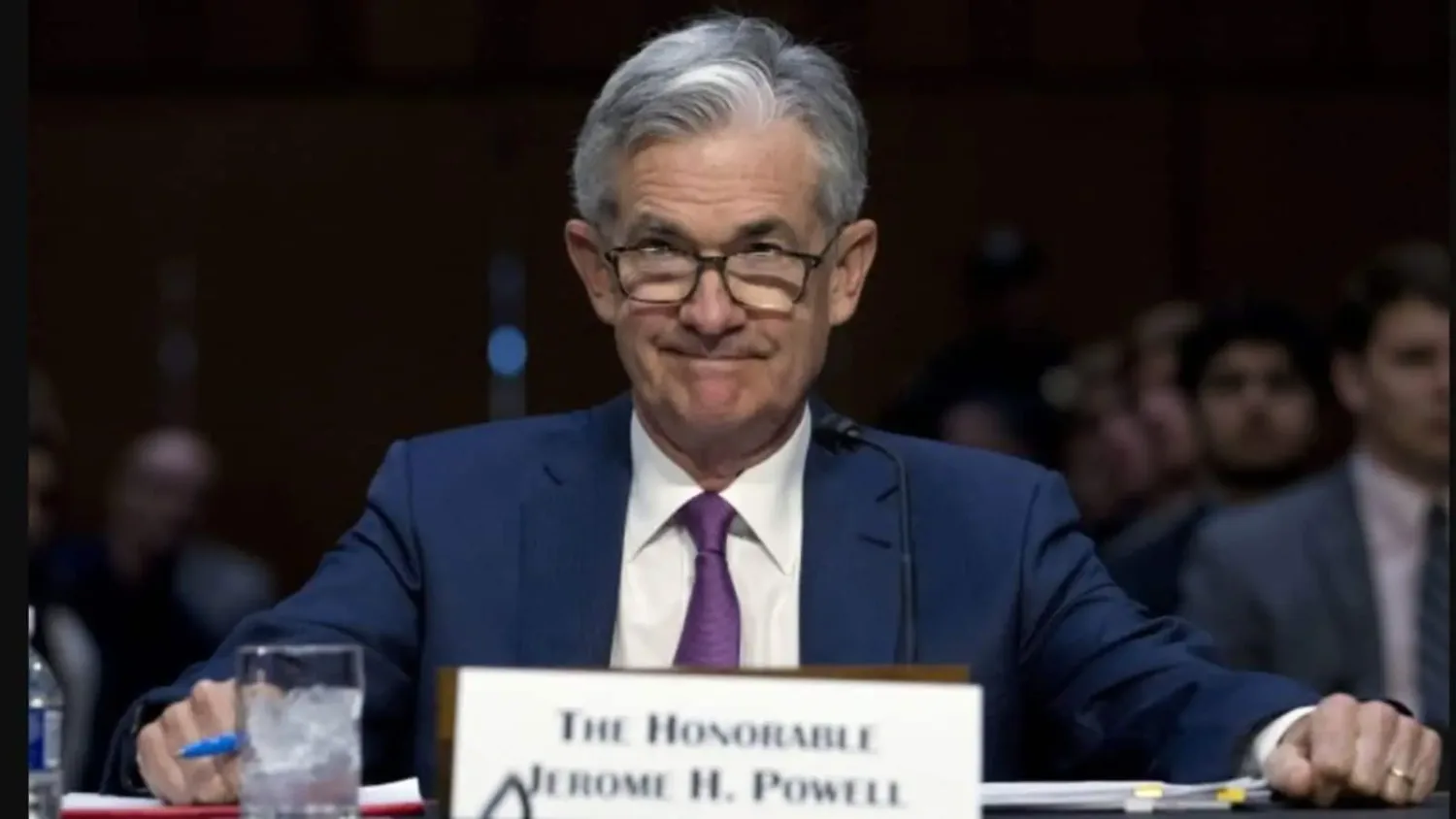
The Fed’s May 2025 decision is drawing the attention of investors and economists around the world. The US central bank left interest rates unchanged, signalling caution in the face of growing economic uncertainty and the risk of stagflation.
Why didn't the Fed cut interest rates?
The Fed has now kept rates at 4.25–4.5% for the third time in a row. The decision was unanimous, despite clear pressure from President Trump for cuts that would, in his view, stimulate the economy. The central bank stresses that the current situation calls for patience and continued monitoring of the impact of tariffs and changes in trade policy on inflation and economic growth.
Main reasons for the Fed's caution
- Economic uncertainty: The Fed points to growing unpredictability, particularly related to new trade tariffs and their impact on prices and exports.
- Risk of stagflation: At the same time, the threat of both rising inflation and rising unemployment is growing, a situation that could lead to stagflation, meaning a combination of economic stagnation and rising prices.
- Stable labour market: Despite the concerns, the labour market remains strong, and unemployment remains at a low level.
How does the Fed's decision affect everyday finances?
The Fed’s interest rates serve as a benchmark for mortgages, credit cards and car loans. Keeping them unchanged means loan repayments will not rise, but they are also unlikely to fall in the near term.
What next? Possible scenarios
Analysts expect the Fed to maintain the current rate level at least until its next meeting in June. A first cut could come only in the summer, if inflation proves transitory and the economy begins to slow markedly.
Key factors influencing the Fed’s decision
| Factor | Current impact on Fed policy |
|---|---|
| Inflation | Remains above the 2% target |
| Labour market | Stable, low unemployment |
| Trade policy | High tariffs, export uncertainty |
| Economic growth | Slowdown, first GDP decline in 3 years |
The Fed’s decision to keep interest rates unchanged is a signal of caution in difficult times. The central bank is balancing the risk of inflation against the need to support the economy, waiting for more data and developments in the global situation. For consumers, this means stable borrowing costs, but also uncertainty about further moves in the financial market.





Komentarze