

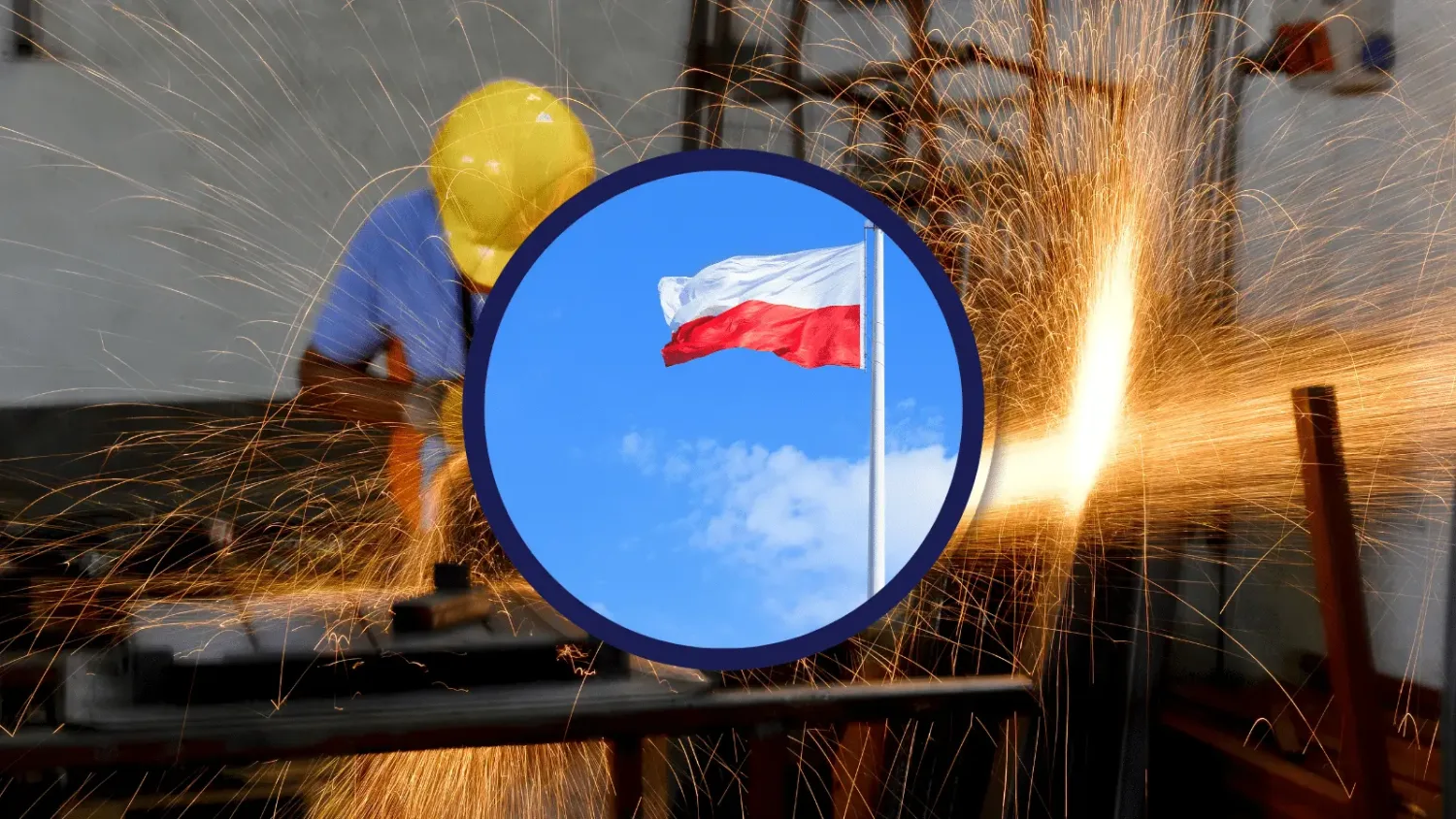
May 1st is Labour Day, a day off that combines tradition with the current challenges of the labour market. It is a time to reflect on the role of work in our lives and on the changes shaping the everyday lives of Poles.
What is Labour Day?
Labour Day, observed on May 1st, is an international day commemorating workers’ struggle for decent working conditions. Its roots go back to events of 1886 in Chicago, where thousands of people protested, demanding an eight-hour working day. These protests, though brutally suppressed, became a symbol of the fight for workers’ rights.
How do we celebrate May 1st in Poland?
For most Poles, May 1st is above all a day off work, an opportunity for rest, trips or meetings with family. However, there are also events of a social and political nature:
- Marches and rallies organised by trade unions in large cities (Warsaw, Kraków, Poznań, Gdańsk, Wrocław)
- Debates, workshops and city walks devoted to the history of workers’ movements
- Local festivals, concerts and open-air events bringing residents together
Labour Day and the present day
Celebrations of May 1st in 2025 take place during dynamic changes in the labour market. Automation, remote work, the growth of the service and digital economy, and the new approach of younger generations to employment are just some of the challenges we face today as a society.
The latest changes for employees in Poland
Recent months have brought a number of positive changes for Polish employees, including:
- Talks about shortening working time
- Christmas Eve becoming a day off work from 2025
- Additional leave for parents of premature babies
- Work on regulations concerning equal pay for women and men
It is worth noting that in 2025 Poles have as many as 14 statutory days off work, which supports a better balance between professional and private life.
21 years of Poland in the European Union
Today, May 1st 2025, marks exactly 21 years since the historic moment of Poland’s accession to the European Union. This event, which took place on May 1st 2004, opened new opportunities for our country in development, international cooperation, and free travel and work in member states. Accession to the EU was the result of many years of effort and social support: in the accession referendum, over 77% of Poles voted in favour of membership, showing how strong the desire for integration with Europe was. Today, after more than two decades, we can see how much Poland has changed, both economically and socially, thanks to its presence in this community.
Labour Day – what does it mean today?
For some, it is a moment of respite; for others, an occasion to reflect on the future of work. Today’s Labour Day is not only a reminder of history, but also a prompt for a conversation about:
- Decent wages and job security
- Equal opportunities in the labour market
- The impact of new technologies on employees’ everyday lives
Imagine a young programmer who, thanks to remote work, can today combine professional duties with a passion for travel. Just a decade ago, such a work model was rare; today it is becoming the norm, showing how much the world of work is changing.
May 1st, Labour Day, is not just a day off; it is also an opportunity to appreciate the efforts of all working people and to reflect on how the labour market is changing. It is worth using this day for rest, but also for a moment of thought about what more we can do to make work more satisfying and safe for everyone.




Komentarze