In the Baltic region, just near the border with Germany, Poland discovered oil deposits, which according to reports lies partly in German waters. Will the revenue from extraction be divided between the two countries?
Breakthrough discovery in the Baltic Sea
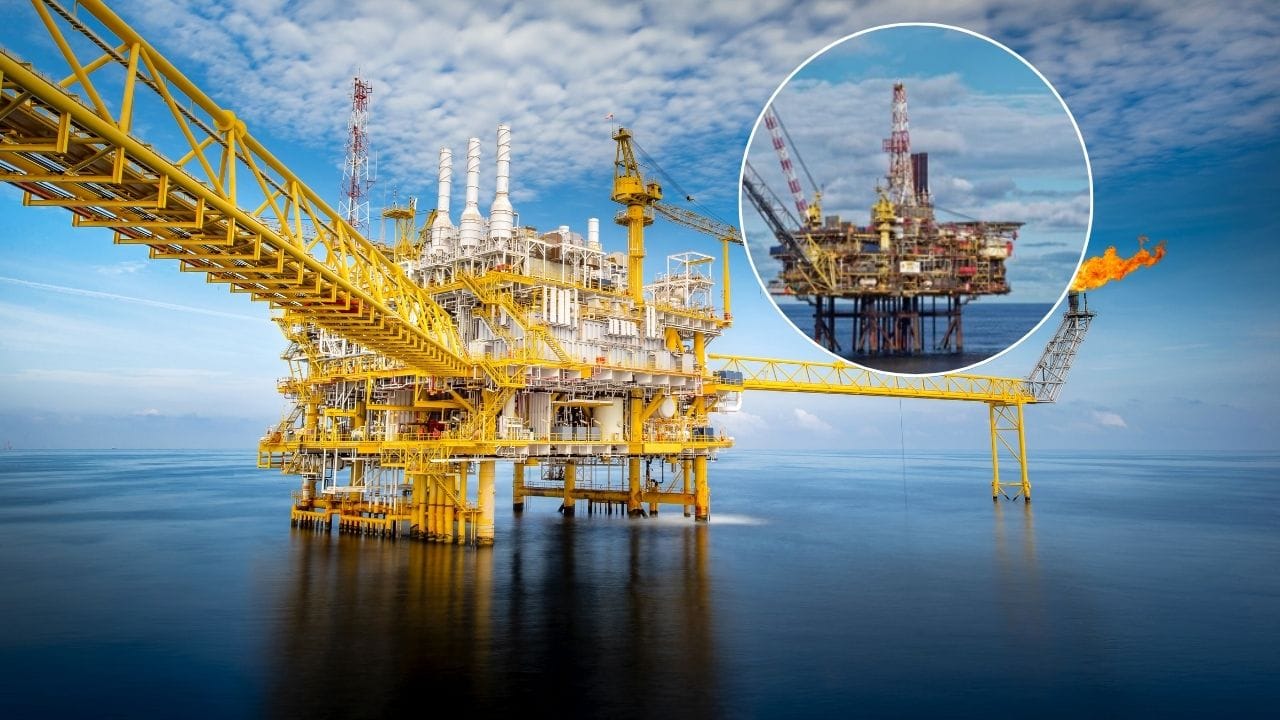
Poland announced that nearby Świnoujście port discovered the largest oil and gas deposits in the history of the country. Wolin East may even contain 22 million tonnes of oil and 5 billion m3 of natural gas. It might satisfy you. 5% Poland's annual demand for oil and significantly reduce dependence on imports of raw materials.
Area and Policy Impact
The oil deposits discovered by Poland in the Baltic Sea are impressive in size – larger even than the German Mittelplate, which has been exploited for decades in the North Sea.
By "Die Welt", part of the new deposit is located in German territorial waters or very close to the border. This raises questions about future distribution of revenue and mining rights.
The discovery lies in a zone close to the Polish-German border, and some sources suggest that some deposits can reach German territorial waters. For now, most decks are on the Polish side, but Germany expresses concerns about environmental impacts, tourism and participation in potential profits. The mayor of the German resort Heringsdorf openly opposes the industrial extraction of oil at the border itself, emphasizing the conservation of natural regions and the purity of the Baltic Sea.
Revenue – will Poland have to share?
- Currently there are no official decisions or regulations ordering Poland to share future incomes with Germany if the operation is carried out exclusively in Polish waters.
- However, if the deposits actually go back to German territory, international negotiations can emerge based on the law of the sea.
- Examples from other countries show that joint exploitation of cross-border deposits requires bilateral agreements, but at this stage Berlin did not make a formal claim.
- The final decision may depend on the interpretation of EU rules and future interstate negotiations if German claims are registered.
Profits and challenges: opportunity or problem?
The new energy source can turn Poland from an importer into an important player on the market, but the investment is accompanied by challenges:
- Possible protests of local communities and environmentalists.
- Necessity to create a percentage revenue sharing system (in case of cooperation).
- Possible policy negotiations — similar to co-operation with pipelines or LNG terminals.
- Potentially volatile oil prices and environmental costs.
Positions and political disputes
- German Government of the Land of Mecklenburg-Pomorze He claims that he does not have any current information or knowledge of extraction on the Polish side.
- German politicians and part of the local community openly criticise Polish plans, pointing to threats to the environment, tourism and conflict with climate policy. "The future of the region is solar energy and biomass, not oil" – emphasized representatives of the German administration.
Examples of solutions from other countries
- At the Dutch-German border, where there are cross-border gas and oil deposits. The extraction is carried out under a specific contract (unity agreement signed between governments in The Hague and Berlin), which determines the percentage distribution of profits.
- A similar bilateral agreement has existed between Germany and the Netherlands since 1971, which regulates the use of cross-border deposits.