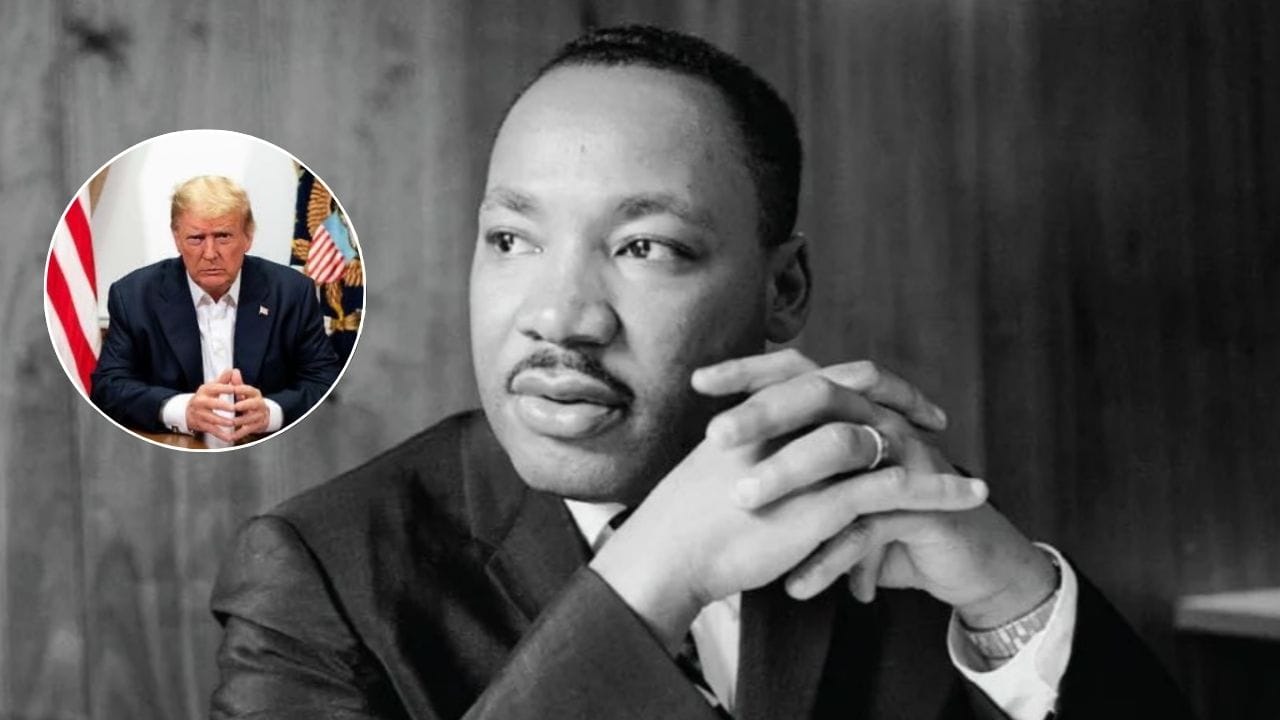
Donald Trump Administration made available a wide collection of documents related to the assassination of Martin Luther King Jr., including FBI surveillance material. It's about 250,000 pages of files that have been inaccessible since 1977 because of a court order.
Declassified documents – decision scenes
Today, after nearly 60 years of questions about the murder of Dr. Martin Luther King Jr., we make available 230.000 documents on the MLK murder, which are already available at http://archives.gov/mlk. The documents contain details of an FBI investigation into the MLK murder, a discussion of potential leads, FBI internal notes describing progress in the case, information about James Earl Ray's former cellmate, who claimed to have talked to Ray about an alleged plot to kill, and many others.
Thanks to the president's leadership
@realDonaldTrump,
Executive Decree No 14176 resulted in three unprecedented interagency actions aimed at identifying, digitising, declassified and making available the file related to the federal government's investigations into the assassinations of President John F. Kennedy, Senator Robert F. Kennedy and Dr. King.
In July 2025, by presidential decree, the US government made publicly available above 250,000 pages materials concerning the death of Martin Luther King Jr., leader of the civil rights movement. It is one of the largest declassified archives concerning the assassinations of historical figures of the USA – alongside the Kennedy brothers' act.
These documents were inaccessible for decades: some were stored in federal archives, the rest remained unpublished anywhere. Only social and political pressure made the state reveal it on an unprecedented scale.
What do new records reveal about King's death?
Key threads from declassified documents
- Details of the FBI investigation, including new leads and internal documents, showing how the investigation was conducted after the assassination on April 4, 1968.
- International themes: data from Canadian police, among others, that have not yet been extensively analysed.
- Testimony of former inmates of James Earl Ray, convicted of the assassination, suggesting a wider conspiracy.
These elements shed new light on the events of those days, but do not bring revolution in the official version of history. Still the prime suspect. James Earl Ray, although reports of possible co-organisers fuel old conspiracy theories.
FBI and King's surveillance – shocking scenes
Martin Luther King Jr. was shot in Memphis on April 4, 1968 at the age of 39. James Earl Ray was convicted of the murder, who first confessed, but later appealed his testimony.
Much of the material touches the FBI. King's extensive surveillance and attempts to discredit him were documented by J. Edgar Hoover under the COINTELPRO programme. The FBI eavesdropped phone calls, tracked trips, and maintained a network of informants.
"Our father was relentlessly hunted by an invasive and sinister disinformation campaign" – stressed Martin Luther King III and Bernice King in their statement.
Social reception and new questions
King's family She expressed discontent with the disclosure of these documents. Martin Luther King's children published a statement in which they criticise "the attempts to use these documents to diminish their father's heritage" and appeal for caution and empathy in interpreting these materials.
"We appeal to those in contact with these acts for empathy, caution and consideration of our family grief. The disclosure of these documents should be considered in a full historical context."
While King's family emphasized that documents should be used with respect, media hype was not avoided. There were:
- increased interest in conspiracy topics,
- new research initiatives in American universities,
- public debates on transparency of state action.
Declassified documents concerning the murder of Martin Luther King Jr. is a step towards greater transparency of historical events. Although there have been no revelations changing the known narrative, a new portion of details fuel the debate on the role of the state, the surveillance of citizens and the limits of the search for historical truth.