

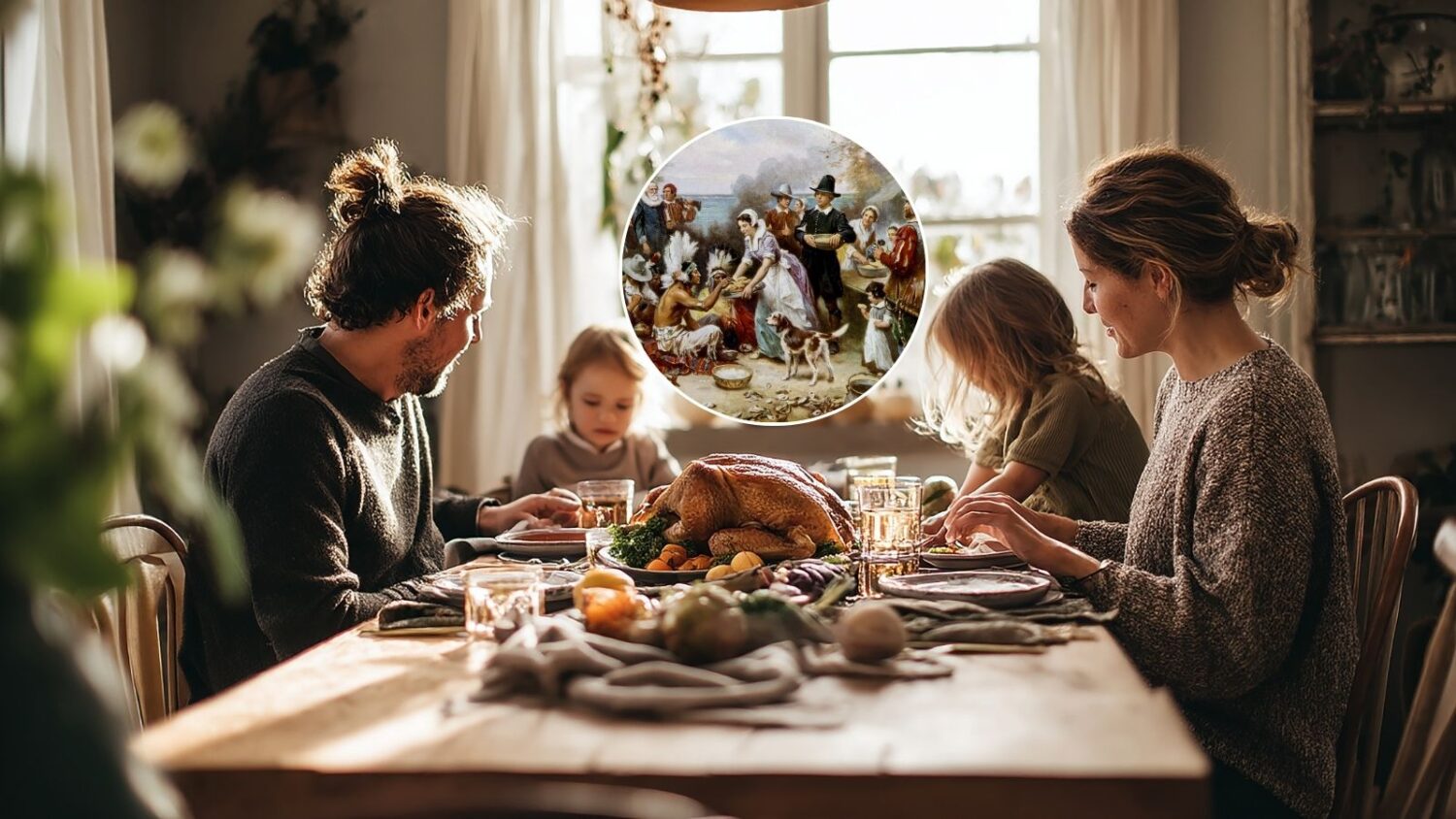
Today, November 27, 2025, Americans across the continent gather at tables laden with turkey, pumpkin pie and cranberry sauce. Thanksgiving, known simply as Thanksgiving, is not only a culinary feast but also a symbol of gratitude, family and reflection on history. In this article we will delve into the roots of the holiday, explore its evolution and understand why it is one of the most important days of the year for millions of Americans.
The Roots of the Holiday: From 1621 to a National Tradition
Picture this: autumn 1621, Plymouth in today’s state of Massachusetts. A group of English settlers, known as the Pilgrims, survived their first harsh winter in the New World thanks to the help of the local Wampanoag people. After a successful corn harvest, Governor William Bradford organized a three-day feast to which he invited Native Americans, including the chief Massasoit. It was not a formal “thanksgiving” ceremony, but a spontaneous celebration of abundance – with game, fish and forest fruits on the table.
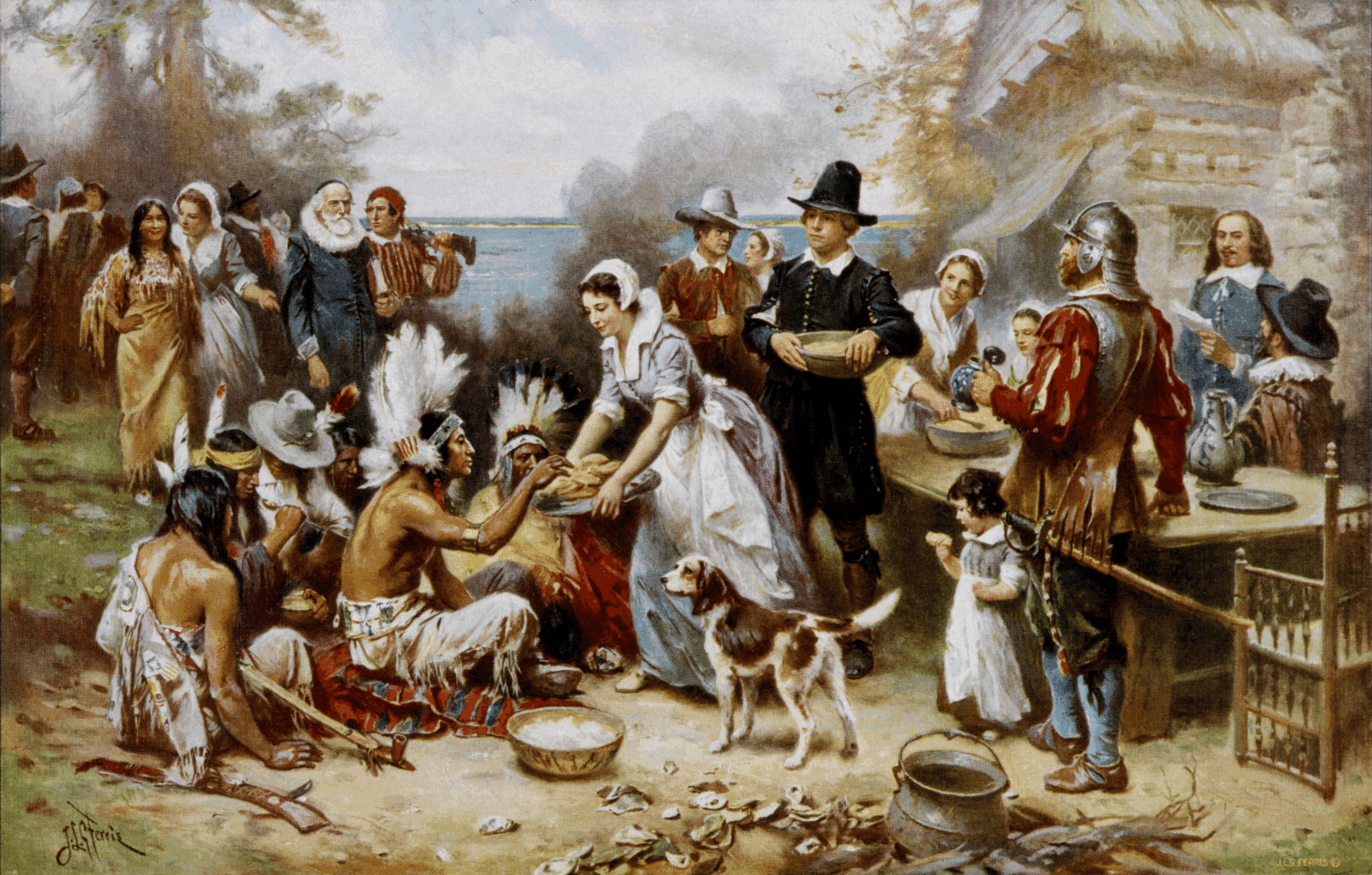
This story became the founding myth of Thanksgiving, symbolizing peace and cooperation between cultures – although the reality was more complex, with conflicts that came later.
For centuries, days of thanksgiving were observed regionally, often after military victories or successful harvests. The first national day of thanksgiving was proclaimed by President George Washington in 1789, giving thanks for the US Constitution. However, it was Abraham Lincoln who, in 1863, in the middle of the Civil War, made Thanksgiving an official national holiday, observed on the last Thursday of November – to unite a divided nation and promote healing. In 1941, President Franklin D. Roosevelt moved the date to the fourth Thursday, to lengthen the holiday shopping season and support the economy after the Great Depression. Since then, Thanksgiving has become an inseparable part of the American calendar.
What Thanksgiving Means to Americans: More Than Just Turkey!
For many Americans, Thanksgiving is a holiday of gratitude – a moment to pause and give thanks for what is good in life. In an era of fast pace, pandemic and political divisions, this day recalls simple joys: family, friends and abundance. As tradition has it, it is a “new birth of freedom” – an occasion to reflect on the history of the USA as a land of opportunity.
But let us look deeper:
- Family Gatherings: Millions travel to be with their loved ones. It is a time for cooking together, laughter and sharing stories. In 2025, after years of virtual meetings, these in-person gatherings carry even greater meaning.
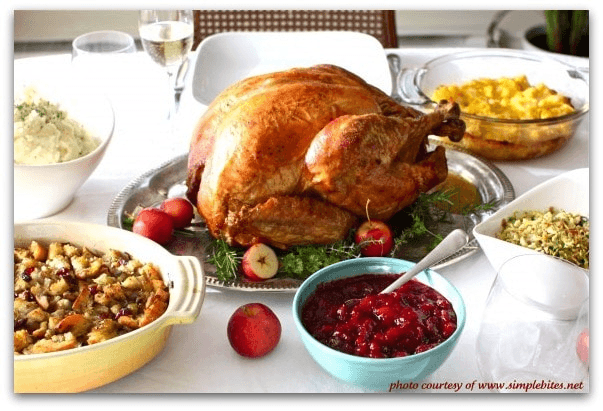
- Culinary Traditions: The centerpiece is the turkey – a symbol of abundance dating back to 1621. Alongside it come mashed potatoes, stuffing, pumpkin pie and cranberry sauce. It is estimated that Americans eat over 45 million turkeys every year!
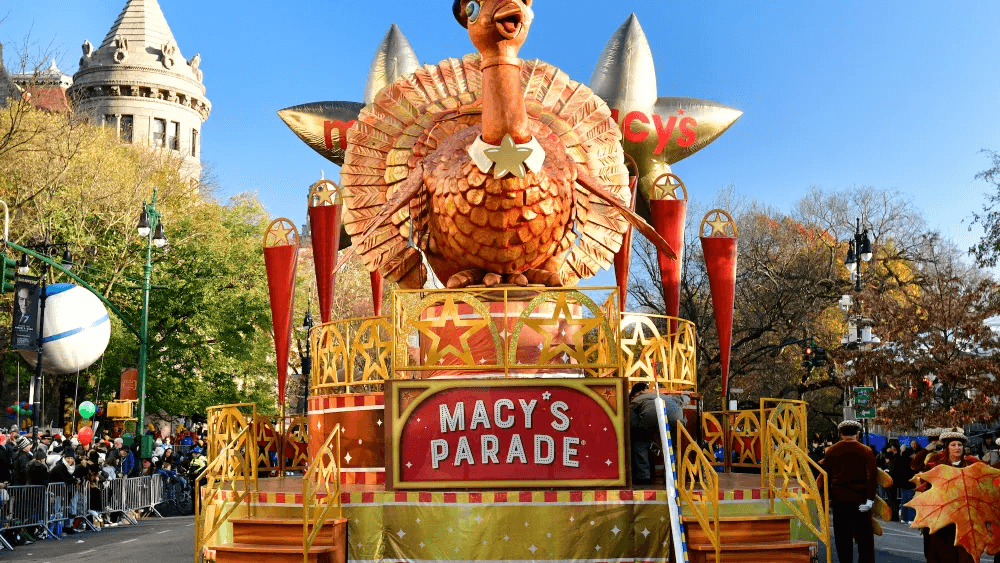
- Parades and Entertainment: The iconic Macy’s Parade in New York, with giant balloons and star performances, attracts millions of viewers. It is a festival of joy, broadcast live, that kicks off the holiday season.
Let us not forget the American football games – a tradition since 1876!
- Reflecting on History: For Native American peoples, such as the Potawatomi and Wampanoag, Thanksgiving is also a reminder of colonization and loss. Many observe it as a National Day of Mourning, highlighting the need for historical truth.
Today, Thanksgiving symbolizes resilience. After challenges such as COVID-19 or climate change, Americans use this day to celebrate “renewal” – personal and national. It is not only history, but a living tradition that connects generations.





Komentarze