

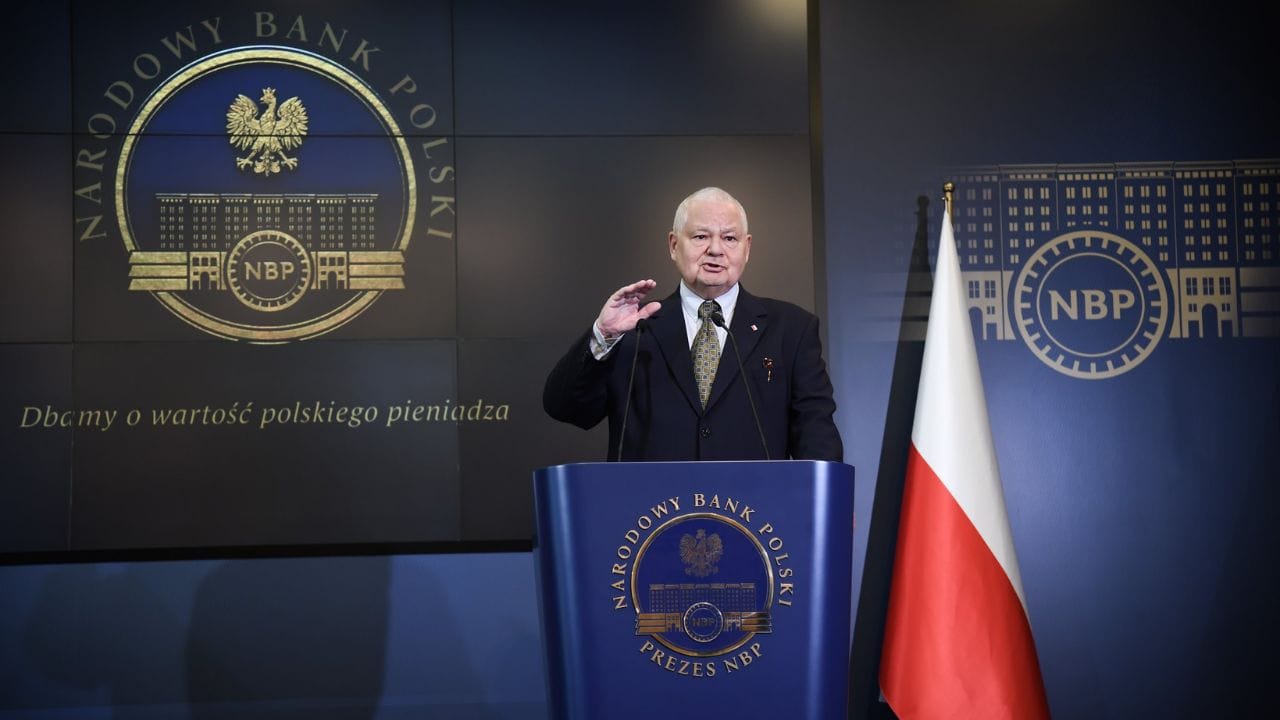
The Monetary Policy Council (RPP) has cut interest rates for the fifth time this year, bringing the main rate to 4.25%. The decision is stirring emotions among borrowers and investors, as it changes the financial reality across Poland.
New Interest Rates – What Has Changed?
At its November meeting, the Monetary Policy Council lowered all key interest rates by 0.25 percentage points, in line with market expectations. The details are as follows:
The decision takes effect on November 6 and marks the fifth cut in 2025. It follows a falling inflation trend, with October inflation at 2.8% – below earlier forecasts.
Why Did the RPP Decide to Cut Rates?
The Council justified its decision by improving inflation prospects and positive data from Statistics Poland (GUS). CPI inflation is moving ever closer to the NBP target (2.5%), and strong price pressure appears to be fading.
Market Signals
- Most analysts had expected a cut in November.
- Forecasts for the coming months do not rule out further monetary easing, but the pace will depend on data on inflation, employment and GDP.
- Banks are already preparing new price lists and interest rate tables – it is worth following the changes closely.
Loan Repayments and Deposits – Who Gains, Who Loses?
The rate cut is a relief for borrowers – repayments on mortgages and business loans will fall by as much as several dozen zloty per month for a typical debt.
Borrowers gain:
- Lower repayments on mortgages, consumer loans and business loans
- Easier access to new financing
- Better liquidity and greater flexibility in managing household budgets
Savers should expect:
Impact on the property and investment market
- Lower financing costs may stimulate the housing market
- Companies are more willing to invest when credit is cheaper
- Savers are looking for alternatives to traditional deposits – bonds, funds and the stock market are gaining popularity
Expert Opinions and Forecasts
Economists say the decision was reasonable given macroeconomic data, but they warn against loosening too aggressively. They point to uncertainty in global markets and possible further turbulence – with every decision, it is worth analysing GUS and NBP data as well as market reactions.
The November rate cut is a natural response by the Monetary Policy Council to falling inflation and changing domestic and international conditions. It is a real opportunity for greater credit availability and faster investment in Poland. However, for savers it is time to manage their portfolios actively and look for new solutions – today it is not wise to keep everything in the simplest deposit account.
The RPP’s decisions in 2025 show how dynamically financial reality can change. A good comparison is the weather: it pays to check the forecast regularly and adjust your financial moves accordingly. The easing cycle, which has been running since May, may end as early as December, but specialists warn that nothing in markets is certain and one must stay alert to further communications.





Komentarze